2026 Top Trends in LED Lighting Solutions for Sustainable Living
The rapid growth of LED lighting solutions has significantly transformed the landscape of sustainable living. According to a recent report from the International Energy Agency, LED technology could reduce global energy consumption for lighting by 50% by 2030. This potential makes LED an essential tool for environmental stewardship. Experts emphasize the necessity of integrating energy-efficient lighting into our daily lives for a greener future.
Dr. Rebecca Liu, a leading figure in the LED lighting solutions sector, stated, "The future of urban lighting lies in sustainable solutions that not only illuminate spaces but also conserve energy." As cities face increasing energy demands, the adoption of advanced LED technologies remains critical. However, challenges remain. Some consumers still cling to traditional lighting, fearing the costs of transition and installation.
Despite impressive advancements, the industry must address lingering doubts about the value of LED lighting solutions. Effective communication and education are vital to overcoming these barriers. Bridging the gap between technology and consumer awareness is crucial for broader adoption. As we approach 2026, the focus will shift to innovative applications and collaborative efforts that can drive the next wave of sustainable living practices.
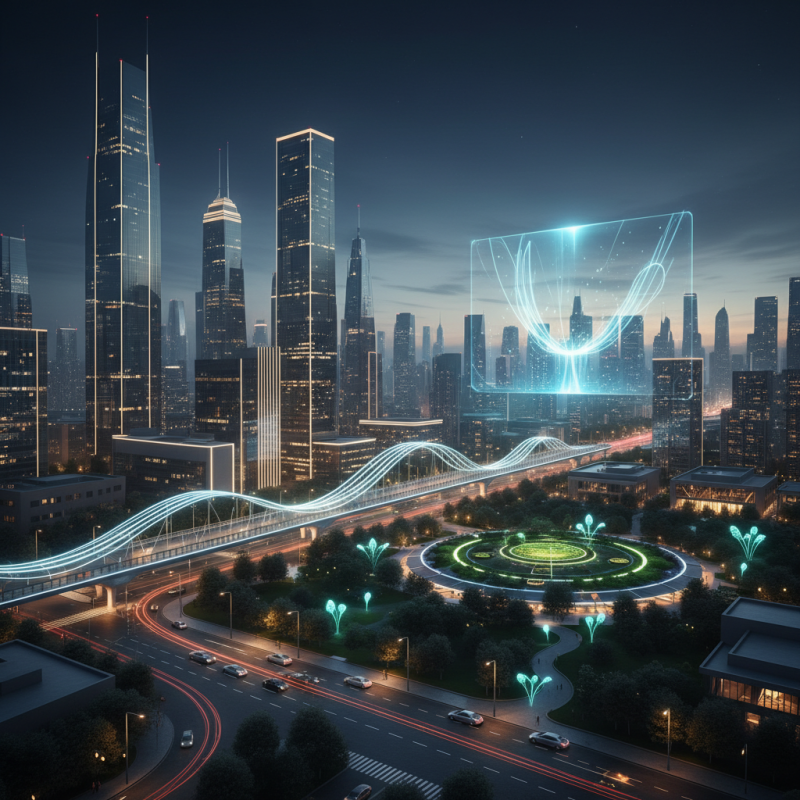
Key Innovations in LED Technology for Sustainable Living in 2026
As we approach 2026, LED technology continues to evolve. Innovations focus on sustainability, energy efficiency, and user experience. Smart LED systems are on the rise. These lights adapt to users' needs, contributing to eco-friendliness.
Tip: Consider installing smart LED lights that adjust brightness based on natural light. This can save energy while enhancing mood.
Human-centered design is gaining traction. New LEDs offer better color rendering, making environments more appealing. These lights enhance visual comfort in homes and workspaces. They can also reduce eye strain, an essential aspect of our digital age.
Tip: Choose fixtures that provide warm light for relaxing areas and cooler tones for workspaces. Each setting needs its own ambiance.
Despite advancements, challenges remain. Access to energy-efficient LED lighting is still limited in some regions. Affordability and awareness are barriers that require attention. Creating a more sustainable world depends on overcoming these hurdles. Let’s stay informed and proactive about improving our lighting choices.
2026 Top Trends in LED Lighting Solutions for Sustainable Living
| Trend |
Description |
Key Innovations |
Expected Impact |
| Smart Lighting Systems |
Integration of IoT technology for automated lighting control. |
Adaptive brightness and color adjustment via mobile apps. |
Enhanced energy efficiency and user experience. |
| Energy Harvesting |
LED lights that can harvest energy from ambient light. |
Solar-integrated LEDs that reduce reliance on grid power. |
Sustainable energy solutions and reduced carbon footprint. |
| Human-Centric Lighting |
Lighting solutions designed to enhance wellbeing and productivity. |
Circadian rhythm-adjusting lighting technologies. |
Improved mental health and overall productivity in workspaces. |
| Biodegradable Materials |
Development of LED products using sustainable and biodegradable materials. |
Use of bio-resins and recyclable components in fixtures. |
Reduction in plastic waste and environmental impact. |
| Advanced Dimming Technologies |
Improved dimming capabilities for greater versatility. |
Flicker-free dimming systems that enhance comfort. |
Increased energy savings and customizable lighting environments. |
Impact of LED Lighting on Energy Consumption and Carbon Footprint
LED lighting is reshaping how we think about energy consumption.
These lights use less power compared to traditional bulbs. On average, they consume up to 80% less energy.
This reduction directly impacts our carbon footprint. Fewer resources are needed for energy production when we use LED lighting.
However, the transition is not without challenges.
Some still prefer incandescent bulbs. They may not realize the hidden costs associated with them.
It's easy to overlook how often we need to replace these older bulbs.
Moreover, there is a learning curve in choosing the right LED options.
People can feel overwhelmed by the variety of choices available.
Maintaining energy efficiency is crucial for sustainable living.
Simple changes at home can lead to significant benefits over time.
While LED lights are generally more efficient, they also come with a higher upfront cost.
It’s worth considering how these choices affect both our bills and the environment.
Striking a balance between cost and sustainability requires thoughtful decisions.
Integration of Smart Technology in LED Lighting Solutions
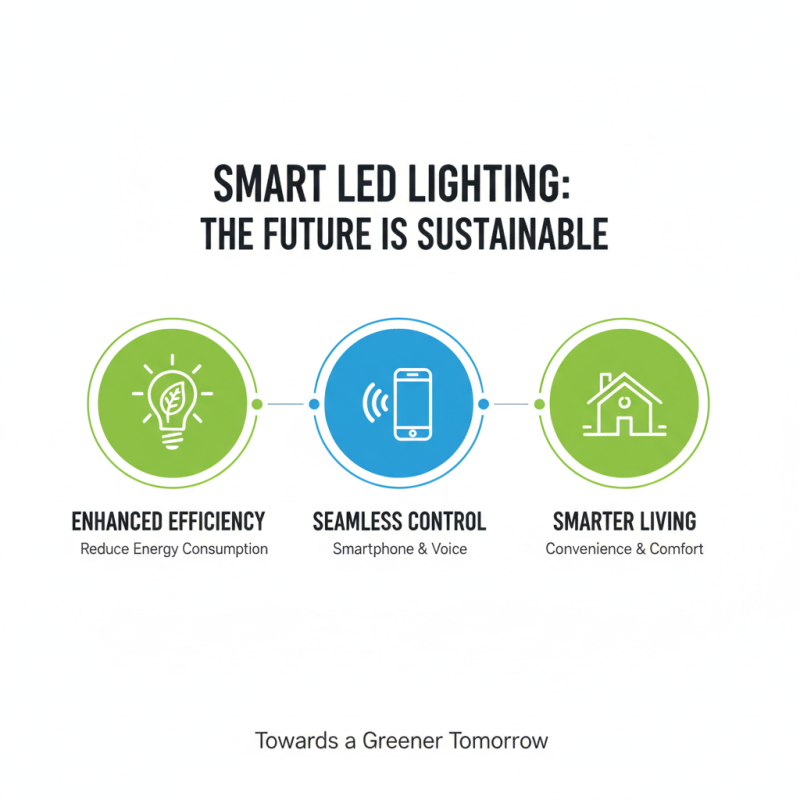
As we move towards a more sustainable lifestyle, the integration of smart technology in LED lighting becomes essential. Smart lighting systems are designed to enhance efficiency and reduce energy consumption. These systems can be controlled through smartphones or voice commands, making life more convenient.
Consider this: you can set your lights to burn only when needed. This not only saves energy but also reduces your carbon footprint. Using sensors, your lights can automatically adjust based on room occupancy. Imagine coming home to a welcoming glow while ensuring you’re not wasting electricity.
Tips: Invest in dimmable LED bulbs for flexibility. They can adapt to your mood and save energy when the brightness is lowered. Also, explore automated schedules. Setting your lights to turn off at certain times can avoid accidental energy waste. Yet, it’s important to not overlook the complexity of smart systems. Sometimes they can be tricky to set up.
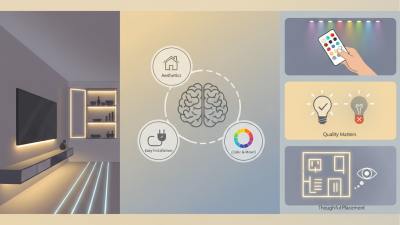
Additionally, think about the aesthetics. Smart LEDs come in various colors and styles. They can create a cozy environment or a vibrant atmosphere for gatherings. Reflect on the balance between practical use and design. Strive for a solution that works for you while contributing to a sustainable future.
Design Trends in Eco-Friendly LED Fixtures for Modern Homes
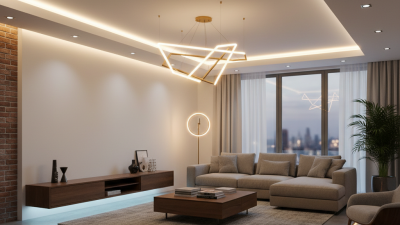
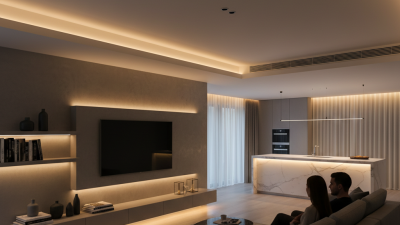
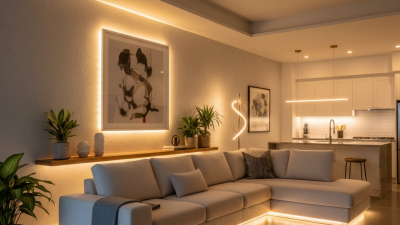
The integration of eco-friendly LED fixtures in modern homes is reshaping residential design. In 2026, trends indicate a strong movement towards minimalistic designs that emphasize energy efficiency. Research suggests that LED lighting can reduce energy consumption by up to 80% compared to traditional bulbs. This not only lowers electricity bills but also lessens carbon footprints.
Textures and finishes matter. Homeowners are gravitating towards matte and textured surfaces that enhance the aesthetic appeal of LEDs. Many fixtures now feature warm color temperatures, promoting a cozy atmosphere. According to a recent study, over 70% of consumers are willing to invest in sustainable products. Yet, some designs still fail to balance form and function. Not all LED fixtures provide the desired light quality. There’s room for improvement in color accuracy and dimming capabilities.
Sustainability also encourages a circular economy approach. Designs that allow for easy upgrade or recycling become essential. However, many LED products still have life cycle limitations. The challenge lies in ensuring long-lasting performance without compromising on design. As we embrace these trends, reflection on both the aesthetics and functionality of LED lighting remains crucial.
Future Prospects of LED Lighting in Promoting Sustainable Practices
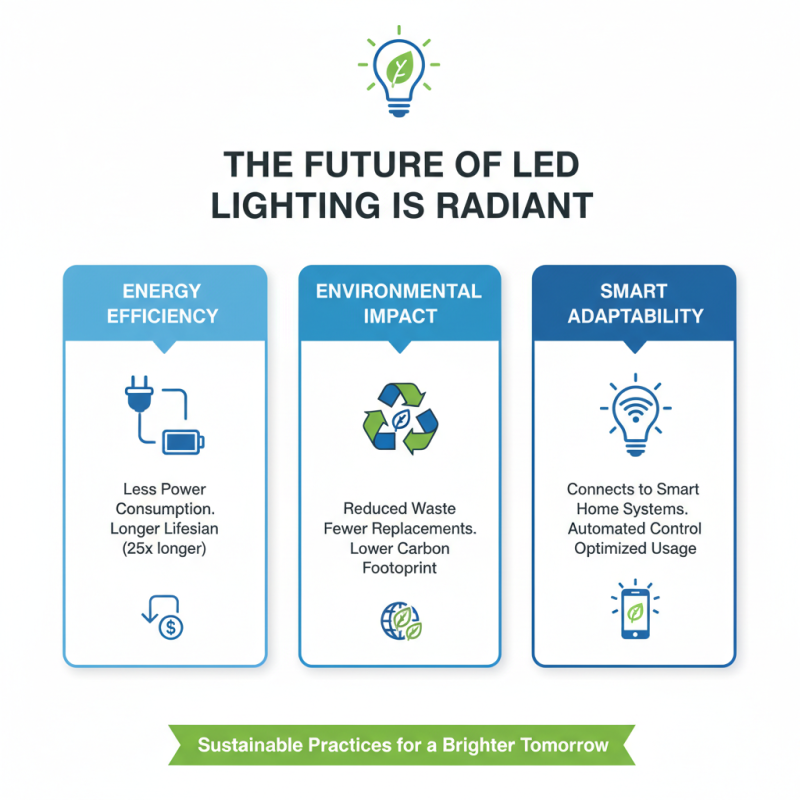
The future of LED lighting is bright, especially for promoting sustainable practices. As energy efficiency becomes crucial, LED technology continues to evolve. These lights consume less power and last longer than traditional bulbs. This means less waste and fewer replacements. Moreover, they can easily adapt to smart technologies, making them even more efficient.
Tips for sustainable living: consider using dimmable LED lights. They allow you to adjust brightness based on your needs, saving more energy. Another tip is to replace old fixtures with LEDs. This can dramatically reduce your carbon footprint.
However, the quality of light can vary. Some LED lights may appear too harsh or cold. It's essential to test before fully committing to replacements. Look for warm white options for a cozier atmosphere. Sustainability isn’t perfection. It’s about incremental changes that lead towards a greener future.