
10 Best LED Garden Lights for Buyers in 2026?

Choosing garden lights is not just a brightness contest. Buyers also need to weigh weather resistance, installation effort, beam control, and running costs. The U.S. Department of Energy’s LED Lighting guidance says LEDs use at least 75% less energy and can last up to 25 times longer than incandescent bulbs. That comparison describes LED technology generally, not every outdoor fixture. Check each product’s rated life and outdoor-use specifications.

This guide compares 10 options for different yards, from a narrow path to a damp patio corner. A Led Garden Light may look powerful in a product photo, yet still create glare or leave dark patches between fixtures. ENERGY STAR recommends checking certification and product details rather than judging efficiency by appearance alone. For exposed locations, review the stated ingress protection rating and installation instructions; these details matter after rain, not just on delivery day. No list can settle every yard. Soil, shade, and nearby windows change what works. The rankings offer a useful starting point, but they are not a substitute for testing the light at home. Sometimes the best choice is the quieter one.
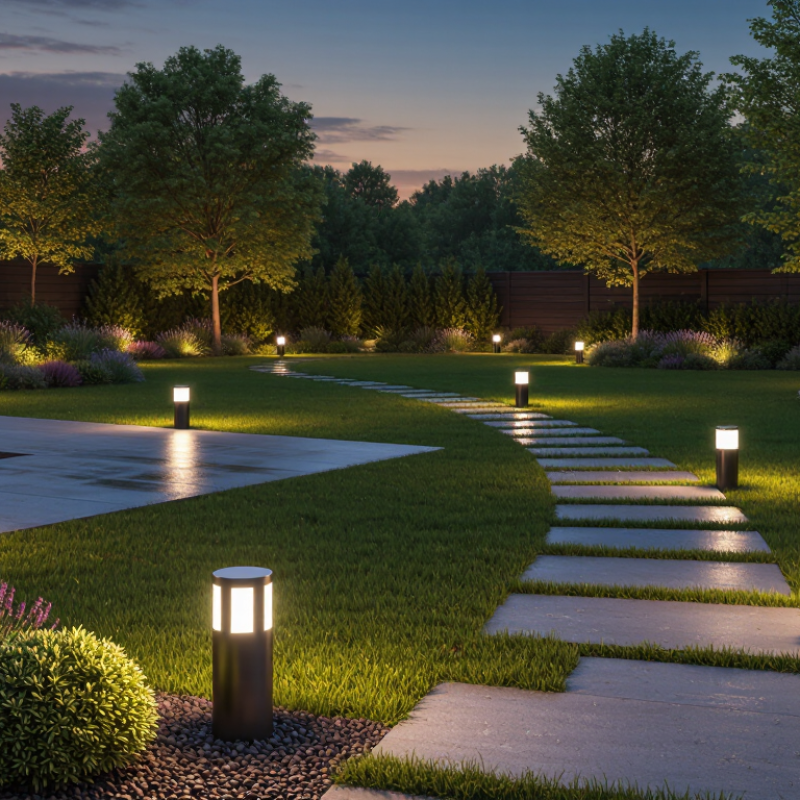
10 Best LED Garden Lights for Buyers in 2026?

Understanding LED Garden Lights and Their Outdoor Uses

LED garden lights are outdoor fixtures designed to illuminate paths, planting beds, steps, and seating areas. Their low energy use suits dusk-to-dawn schedules, while directional optics can keep light on a walkway instead of shining into a window.

The U.S. Department of Energy says LEDs use at least 75% less energy than incandescent lighting and can last up to 25 times longer.

Useful, but not magic. Fixture quality and installation still matter.

The International Energy Agency estimated that lighting accounted for about 15% of global electricity use in 2018, showing why efficient lighting choices matter beyond one garden. For a narrow path, shielded, lower-output fixtures often provide enough visibility without washing out nearby plants.

Warm-white light can also feel less stark against soil and foliage. Check the fixture’s weather-resistance rating, and match its beam to the area: a bright floodlight may create glare where a small path light would do.

Solar models avoid wiring, but shade and winter daylight can reduce their runtime. That trade-off is easy to overlook.

Key Factors for Choosing Garden Lights in 2026

Choosing garden lights in 2026 starts with the space, not the fixture. Mark the paths, steps, and seating areas you use after dark. A low light near a step can improve visibility without shining into a neighbor’s window. Check brightness in lumens and choose a warm or neutral color that suits the plants and paving. Keep it simple. More light is not always better. I still find it easy to underestimate how dark a leafy corner becomes in winter.

Next, check weather resistance, power, and maintenance. Look for a clear outdoor-use rating, and match it to the fixture’s exposure to rain and sprinklers. Solar lights are convenient, but dense shade and short winter days can reduce their runtime. Wired models may provide steadier output, though installation needs careful planning. For either type, check whether batteries, seals, and mounting parts can be replaced. A motion sensor can help at an entrance, while a steady, low-level glow may feel calmer along a path. Compare the real beam pattern, not just the product photo. That part is often overlooked. Read the installation instructions before buying, especially for lights near water or stairs, and seek qualified help where wiring is involved.

Ten LED Garden Light Options for Different Outdoor Needs

Garden lighting should solve specific problems, not simply brighten every corner. Ten useful options include stake lights for flower beds, path lights for walkways, spotlights for trees, and floodlights for broad entrances. Wall lights suit patios, while step lights reveal level changes. String lights add a softer glow above seating. Deck lights mark edges, motion-sensor lights respond to movement, and submersible lights highlight ponds. Each serves a different outdoor need.

Efficiency matters, but placement matters too. The U.S. Department of Energy reports that LEDs use at least 75% less energy and last up to 25 times longer than incandescent lighting. Those figures compare LED and incandescent technologies, not every outdoor fixture. For a quieter nightscape, DarkSky recommends warm-colored outdoor light at 3,000 kelvins or below. A narrow beam aimed at a tree often works better than a bright lamp spilling across the whole yard. Still, product ratings alone cannot predict how light will look against wet stone or dense leaves.

Tips: Check the fixture’s weather-resistance rating and installation instructions before buying. Choose shielded optics near paths, and test one light after dusk before installing several. Small tests help. Solar models can be convenient, but winter shade may leave them dim; that trade-off is easy to overlook.

10 LED Garden Light Options for Different Outdoor Needs

Suggested color temperature by use, shown in kelvins (K). These are planning recommendations, not measured specifications for particular products.

Lower color temperatures appear warmer and more amber; higher values appear cooler and whiter. Check product specifications before buying, since available color temperatures vary by light.

Comparing Brightness, Power, Durability, and Installation

For path lights, judge brightness by useful coverage, not the largest lumen figure. A narrow beam can leave gaps, while a softer, wider spread makes steps and borders easier to see. Check beam angle and spacing alongside output; a sample placed at dusk reveals more than a product chart. Numbers can mislead. For seating areas, choose enough light to see faces without washing out the garden.

Solar units avoid trenching, but shade and short winter days can reduce runtime. Compare stated run time with charging conditions, and look for replaceable batteries where possible. Low-voltage wired lights offer steadier output, though they need a transformer, cable planning, and careful connections. Battery models install quickly, but frequent charging may become tiresome. That matters.

For durability, inspect the ingress-protection rating, housing material, lens seal, and warranty terms. A rating indicates resistance to dust and water, but cannot guarantee performance in every climate. Metal housings can feel sturdy, yet coatings may chip; plastic resists rust but can fade or crack. Installation is easier when stakes suit the soil and fixtures can be aimed after placement. I would leave room to adjust them.

Installing and Maintaining LED Garden Lights Safely

LED garden lights can make steps, borders, and paths easier to see, but safe installation starts before dusk. Check each fixture’s outdoor rating and the instructions for its transformer, connectors, and cable depth. Switch off power before handling wiring, and use compatible low-voltage components where specified. If the system connects to household mains, have a qualified electrician assess or install it. Small details matter.

Lay cables away from mower routes, sharp edging tools, and places where water regularly pools. Use suitable outdoor connectors, seal them as directed, and avoid burying joints unless the instructions allow it. Do not rely on tape as a weather seal. After installation, test every light at night and check for glare, dark steps, or exposed cable. A soft beam is often safer than a bright lamp aimed toward someone’s eyes.

Switch fixtures off and let them cool before cleaning lenses with a soft, damp cloth. Clear leaves and soil from drainage openings, if the design has them. Inspect cables and fittings after storms or gardening work. Replace cracked housings or corroded connectors rather than patching damage and hoping it lasts. A dry-weather check can miss a loose connection that becomes obvious after rain. Even a careful inspection can miss things, so repeat checks instead of trusting a single test.

Filter By