Best RGB LED Strip Ideas for Home Decoration and Ambiance Lighting
The role of lighting in home decoration has evolved dramatically in recent years, with a surge in popularity for innovative solutions like RGB LED strips. According to a report by Grand View Research, the global LED lighting market is projected to reach USD 105.9 billion by 2027, with RGB LED strips being a significant contributor to this growth. These versatile lighting solutions offer homeowners an array of colors and effects that can enhance any space, transforming mundane environments into vibrant, inviting atmospheres.
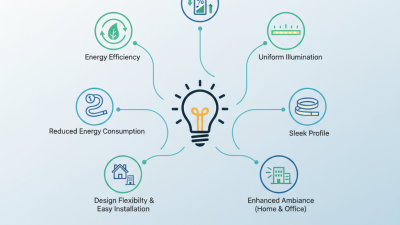
RGB LED strips not only allow for creative customization but also provide energy efficiency, with studies showing that LED lights consume up to 75% less energy than traditional incandescent bulbs. This has led to an increased adoption in both residential and commercial settings, as homeowners and designers alike seek to create a unique ambiance while minimizing energy costs. Whether used for subtle under-cabinet lighting or dramatic wall washes, RGB LED strips present endless possibilities for personal expression and mood enhancement in interior design.
As we explore the best ideas for incorporating RGB LED strips into home decoration, it's essential to consider how these lights can influence the overall aesthetic and functionality of a space. From accentuating architectural features to creating immersive experiences for entertainment, RGB LED strips are not just a trend but a lasting component of modern home decor strategies.

Best RGB LED Strip Types for Different Home Areas and Ambiance Needs
When considering decorative lighting for your home, RGB LED strips serve as a versatile solution that caters to various areas and ambiance requirements. According to a recent industry report, the adoption of LED technology has surged, with LED lighting expected to dominate the market by reaching approximately $77 billion by 2028. This growth is driven by the increasing interest in smart home technology and customizable spaces.
For living areas, flexible RGB LED strips can be installed along the edges of ceilings or behind furniture to create a cozy atmosphere. Research indicates that ambient lighting enhances relaxation and promotes social interaction in common spaces. Installing dimmable strips allows homeowners to adjust brightness levels, adapting the mood from vibrant social gatherings to quiet evenings at home.
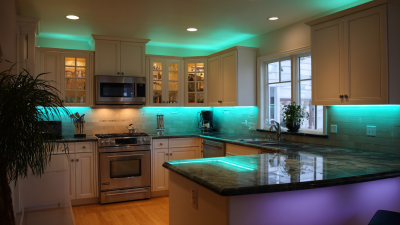
In bedrooms, RGB LED strips can provide a calming influence when used as night lights or under-bed illumination. Utilizing soft, warm colors can create a serene environment conducive to sleep. Tips for optimal use include placing strips behind headboards or under shelves to produce a gentle glow without harsh light. In kitchens, dynamic color options can enliven the space, particularly when used under cabinets or along backlit shelving—creating an inviting ambiance that encourages creativity while cooking.
Best RGB LED Strip Ideas for Home Decoration and Ambiance Lighting
| Area |
Type of RGB LED Strip |
Ambiance Created |
Length Options |
Color Modes |
| Living Room |
Flexible RGB Strip |
Warm and Inviting |
16.4 ft, 32.8 ft |
Static Colors, Dynamic Effects |
| Kitchen |
Waterproof RGB Strip |
Bright and Functional |
10 ft, 20 ft |
White Light, Color Changing |
| Bedroom |
Dimmable RGB Strip |
Relaxing and Soothing |
5 ft, 15 ft |
Color Transitions, Sleep Mode |
| Home Theater |
RGBW LED Strip |
Cinematic Experience |
16.4 ft, 32.8 ft |
Custom Scenes, Color Sync |
| Office |
Smart RGB LED Strip |
Focused and Productive |
10 ft, 20 ft |
App Control, Sync with Devices |
Key Features to Consider When Choosing RGB LED Strips for Home Use
When choosing RGB LED strips for home use, several key features should be considered to ensure you achieve the best ambiance and decoration.
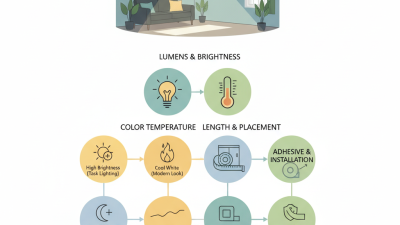
One of the most critical factors is brightness, measured in lumens. According to a recent report from the Lighting Research Center, a comfortable brightness level for ambient lighting ranges from
100 to 300 lumens per meter. This range allows for sufficient illumination without overwhelming the space, creating a relaxing atmosphere.
Another essential feature to consider is the color rendering index (CRI), which indicates how accurately colors are displayed under the light.
A CRI of 80 or above is recommended for home environments, as it ensures that colors appear vibrant and true to life.
Additionally, compatibility with smart home systems can enhance user convenience.
A report by MarketsandMarkets highlights that the smart lighting market is expected to grow significantly, indicating a trend towards integrated lighting solutions that can be controlled through mobile devices or home assistants.
Tips: When selecting an RGB LED strip, choose strips with adjustable brightness settings to tailor the light intensity based on your activities.
Also, consider the length of the strip and ensure it matches your intended space, enabling flexibility in design and installation.
Lastly, look for options that allow for customizable color settings to create dynamic lighting experiences that can change with your mood or occasion.
Maintenance and Longevity: Maximizing the Lifespan of Your LED Strips
To maximize the lifespan of your RGB LED strips, regular maintenance is crucial. Start by ensuring that the strips are clean and free from dust or debris, which can impede their lighting efficiency. Use a soft, dry cloth or a gentle vacuum cleaner attachment to remove any accumulated particles. Avoid using abrasive materials or harsh chemicals that could damage the LED surface. Additionally, make sure to inspect the connections and track for any signs of wear or damage, as these can lead to malfunctions.
Another essential factor in maintaining your LED strips is managing their operating conditions. Overheating is one of the main causes of premature failure, so it’s important to provide adequate ventilation, especially if the strips are installed in enclosed spaces. Consider using a dimmer to reduce brightness during less intensive use, as operating at full brightness can significantly shorten their life. Moreover, it’s wise to evaluate your power supply; using a compatible and reliable source can prevent voltage inconsistencies that could harm the strips. By following these maintenance tips, you can enhance the longevity and overall performance of your RGB LED strips, ensuring they continue to illuminate your home beautifully for years to come.
Energy Efficiency of RGB LED Strips: Understanding Consumption and Savings
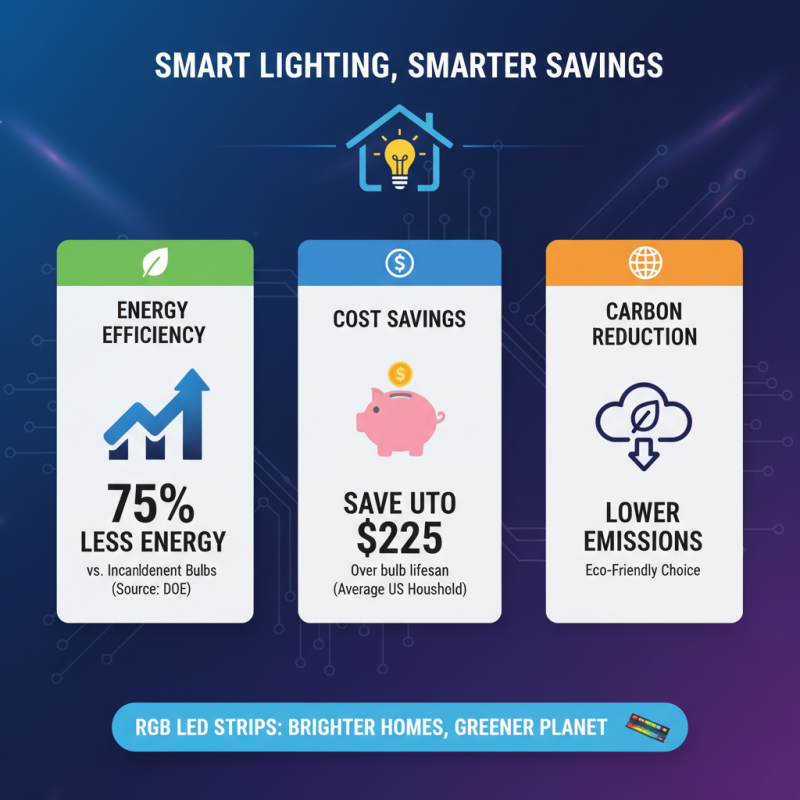
When considering home decoration and ambiance lighting, the energy efficiency of RGB LED strips is a key factor. Research conducted by the Department of Energy shows that LED lighting uses up to 75% less energy than traditional incandescent bulbs. This significant reduction in consumption not only leads to lower electricity bills but also contributes to a decrease in overall carbon emissions. In a typical household, replacing incandescent lights with LED strips could save an average of $225 over the lifespan of the bulbs.
Moreover, the versatility of RGB LED strips allows homeowners to customize lighting colors and intensities while maintaining energy efficiency. Studies reveal that by utilizing smart technology, such as dimmers and color-changing capabilities, users can optimize their energy use even further. The National Renewable Energy Laboratory highlights that smart LEDs can reduce power consumption by 30% or more when compared to standard LED systems. This means consumers not only enjoy a delightful ambiance for their living spaces but can also rest easy knowing they are making sustainable choices.
Creative Installation Ideas for RGB LED Strips to Enhance Home Decor
When enhancing home decor, RGB LED strips offer an innovative and versatile lighting solution that can transform any space. According to the Global Smart Lighting Market report, the demand for LED lighting is projected to reach $63.5 billion by 2026, reflecting a growing trend towards versatile and energy-efficient lighting solutions. By creatively installing RGB LED strips, homeowners can not only increase ambiance but also personalize their environments to fit various moods and themes.
One effective way to utilize RGB LED strips is under or behind furniture pieces, such as sofas, beds, and cabinets. This subtle backlighting creates a floating effect that adds depth and an inviting atmosphere. Another installation idea is to accentuate architectural features or artwork; placing LED strips along shelves or framing paintings helps highlight key elements while providing ambient light. With the ability to change colors at the touch of a button, these installations allow for easy mood adjustments based on occasion or personal preference, which is appealing given that over 70% of consumers value customizable lighting options in their home settings.
Furthermore, integrating smart controls with RGB LED strips can enhance user experience dramatically. Reports indicate that smart lighting solutions are expected to capture 30% of the market share in home lighting, showcasing a shift towards more interactive and connected home decor options. By syncing LED strips with music or setting dynamic color schedules, homeowners can create an immersive atmosphere that elevates gatherings and relaxation alike.