What Is the Best Under Cabinet Lighting in 2026?
Choosing the best under cabinet lighting in 2026 is not simply about buying the brightest fixture. A harsh strip can create glare on polished countertops, while a weak puck light may leave dark patches beside the sink. The right choice depends on kitchen layout, cabinet depth, counter color, electrical access, and daily habits.
Lighting designer Randall Whitehead has said, “Lighting is the jewelry of architecture.” That idea applies directly here. Well-designed under cabinet lighting should highlight the work surface without competing with the room. Warm white light near 2700K can support a comfortable, residential mood. A 3000K option may provide cleaner task visibility. High color rendering, preferably a CRI of 90 or above, helps food and finishes appear more natural.
Real-world testing matters.
This guide compares LED strips, puck lights, bars, and rechargeable models through practical details. Brightness, dimming performance, heat control, shadow reduction, installation quality, and long-term reliability all deserve attention. Certified products from reputable manufacturers also reduce avoidable electrical and safety concerns.
There is no perfect fixture for every kitchen. That is easy to overlook. A renter may need a removable solution, while a remodeled kitchen can support concealed wiring and professional controls. Even the best recommendation can fail when cabinet trim blocks the light or the switch sits too far away.
The following overview examines the strongest under cabinet lighting options for 2026, using practical performance rather than marketing claims as the main standard.
What Is Under-Cabinet Lighting and How Does It Work?
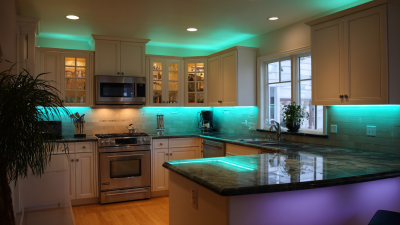
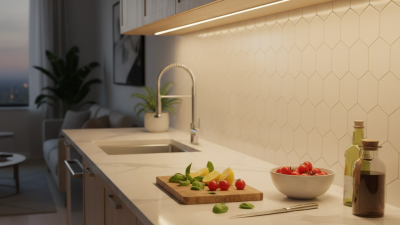
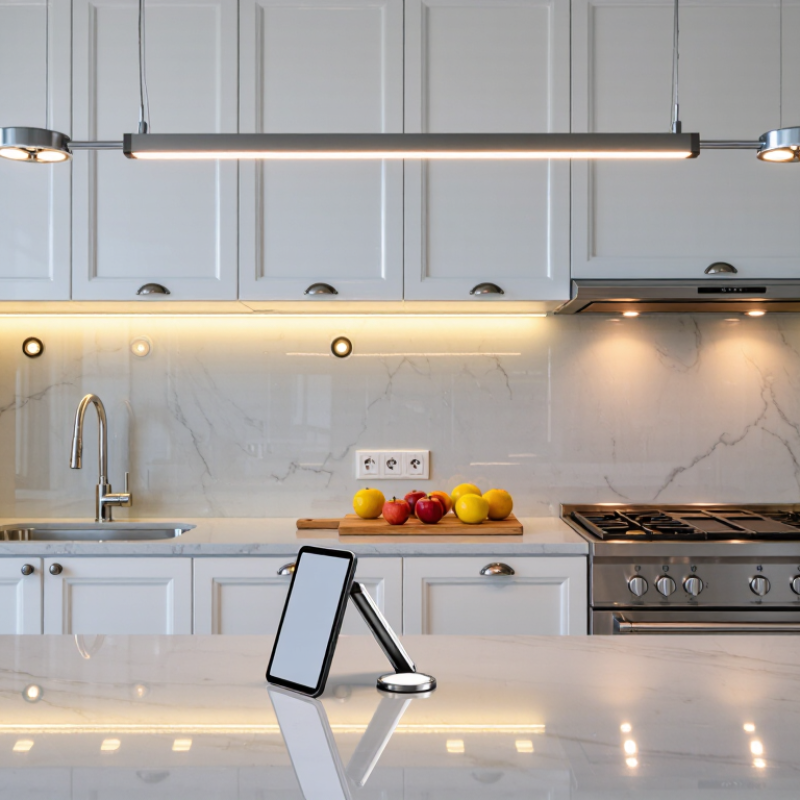
Under-cabinet lighting sits beneath wall cabinets, directing light onto counters, sinks, and backsplashes. It usually contains LED chips, a driver, housing, lens, and switch. The driver converts household alternating current into the low-voltage direct current LEDs require. When current reaches the chips, semiconductor material produces light with little heat. A diffuser spreads the beam and reduces harsh bright spots. Simple in principle.
The U.S. Department of Energy states that LEDs use at least 75% less energy and last up to 25 times longer than incandescent lighting. Its Solid-State Lighting R&D Opportunities report also highlights efficiency, color quality, and controllability as continuing priorities.
For food preparation, a color temperature between 2700K and 4000K can feel comfortable, while a CRI of 90 or higher shows ingredients more naturally. I prefer warm-neutral light near the sink. It feels less clinical.
The best 2026 setup should distribute light evenly, not merely produce high brightness. The Illuminating Engineering Society commonly recommends around 300–500 lux for kitchen task areas. A continuous linear fixture often achieves this better than widely spaced puck lights.
Puck lights can still work. They may create bright circles and dark gaps. Look for dimming, glare control, and accessible drivers.
A common mistake is choosing by lumens alone. More light is not automatically better; reflective stone can produce uncomfortable glare, and poor placement may leave your cutting board shadowed.
Which Under-Cabinet Lighting Types Are Available in 2026?
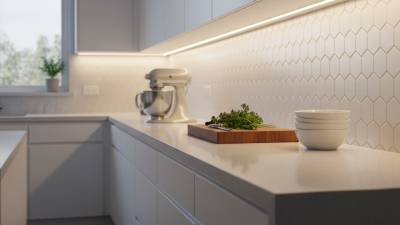
Under-cabinet lighting in 2026 comes in several practical types. LED strip lighting creates an even glow along long worktops. It works well under wall cabinets and inside shallow shelves. Puck lights produce focused pools of light, which suit display areas or deeper cupboards. Linear LED bars offer cleaner illumination with fewer dark spots. They are often easier to align above a sink or preparation zone.
Color temperature matters. Warm white, around 2700K to 3000K, feels comfortable in dining spaces. Neutral white, near 3500K to 4000K, improves visibility during food preparation. Look for high color rendering, ideally CRI 90 or above. The U.S. Department of Energy’s solid-state lighting research highlights efficiency, thermal control, and color quality as key performance factors. The International Energy Agency estimates lighting still uses roughly 15% of global electricity. Efficient LEDs therefore remain a sensible choice, though efficiency alone can feel clinical.
Tips: Choose dimmable fixtures with compatible controls. Check the driver before installation. A poorly matched driver may cause flicker or buzzing. Measure cabinet length twice. I once underestimated cable space, and the result looked untidy. That small mistake still matters. Use aluminum channels for strip LEDs when possible; they help manage heat and create a more finished edge. For rented homes, adhesive installation is convenient, but it may not survive humid kitchens. Installation quality deserves more attention than the product label.
What Is the Best Under-Cabinet Lighting in 2026?
Which Under-Cabinet Lighting Types Are Available in 2026?
LED strip and linear bar lights are generally the most efficient choices for continuous countertop illumination.
Puck lights are useful for focused pools of light, while rope lights provide softer accent lighting.
Fluorescent fixtures remain available but typically consume more power than comparable LED products.
Actual energy use varies by brightness, length, color temperature, and controls.
What Installation, Control, and Safety Features Should You Consider?
The best under-cabinet lighting in 2026 should be judged by installation, control, and safety. A practical setup starts with accurate measurements. Leave space for the driver, connectors, and ventilation. Avoid placing lights directly behind cabinet lips, where shadows can hide food preparation areas. The U.S. Department of Energy reports that LED lighting uses at least 75% less energy than incandescent lighting and lasts much longer. That efficiency matters, especially when lights stay on for several hours each evening.
Choose a listed low-voltage system with a properly sized driver. Look for dimming compatibility, overload protection, and heat management. A warm white range near 2700K to 3000K usually suits kitchens, while higher color temperatures can feel harsh. Motion sensors, wall controls, and wireless options improve convenience, but they can introduce pairing failures. Keep a manual switch available. It sounds old-fashioned.
The U.S. Energy Information Administration’s Residential Energy Consumption Survey identifies lighting as a measurable share of household electricity use, so control quality affects long-term consumption. Install damp-rated components near sinks, protect cables from sharp cabinet edges, and avoid hidden plug connections. National electrical safety guidance also stresses approved products and proper wiring practices. I would not rely on adhesive alone; steam, grease, and heat eventually expose weak mounting choices. Local code requirements can differ, and that detail is easy to overlook.