
Why Choose a Shiatsu Neck And Back Massager?
Neck stiffness is no longer limited to older adults. Desk work, driving, and constant screen use keep many shoulders raised for hours. The World Health Organization reports that approximately 1.71 billion people live with musculoskeletal conditions worldwide. That figure gives everyday discomfort a wider context.
A Shiatsu Neck And Back Massager imitates kneading pressure through rotating massage nodes. It can create a practical routine after work, especially when the device reaches the upper trapezius muscles and lower back. Grand View Research identifies massage equipment as a growing global market, driven by home wellness and self-care demand. However, market growth does not prove clinical effectiveness. Marketing often outruns evidence.
Dr. Tiffany Field, director of the Touch Research Institute, has said, “Touch is the first sense to develop and the last sense to leave us.” Her observation explains why controlled, comforting pressure can feel valuable. It does not mean every massager is suitable for everyone. That distinction matters.
Look for adjustable intensity, stable straps, breathable covers, and automatic shutoff. A warm motor against tense muscles may feel soothing, but excessive pressure can worsen soreness. I would not treat this device as a cure. That would be careless.
People with unexplained pain, recent injuries, numbness, pregnancy-related concerns, or diagnosed conditions should seek professional advice first. Independent testing, clear instructions, and honest return policies strengthen trust. The best reason to choose a Shiatsu Neck And Back Massager is not exaggerated promise. It is convenient, repeatable comfort within sensible limits.
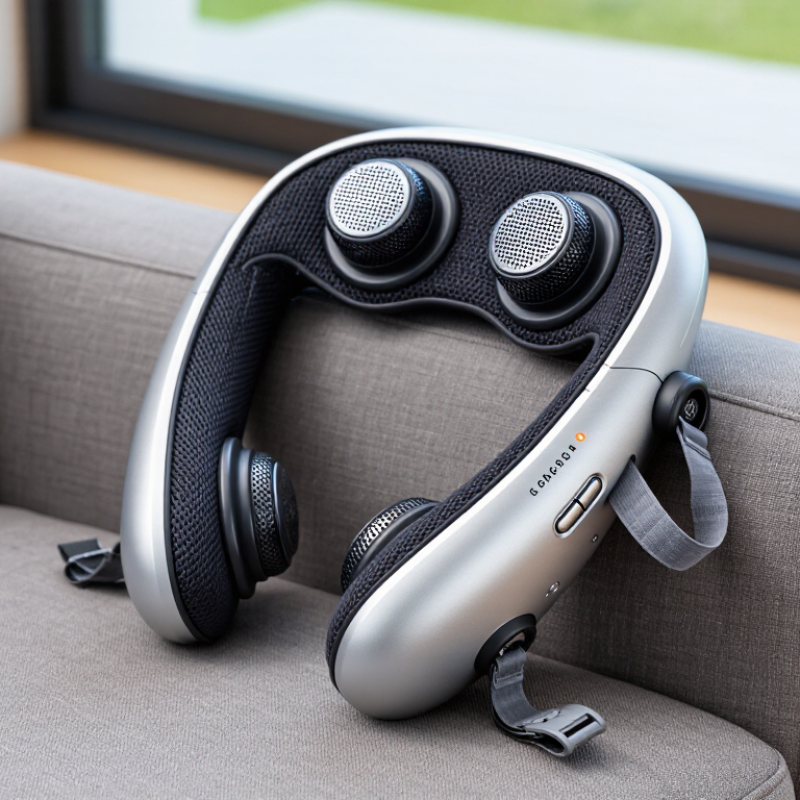
Why Choose a Shiatsu Neck and Back Massager?
What Is a Shiatsu Neck and Back Massager?
A shiatsu neck and back massager is an electric device designed to imitate finger pressure. Its rotating massage heads move in circular patterns across the neck, shoulders, and back. Some models add gentle heat or adjustable speed. The goal is simple: provide pressure where muscles often feel tight after desk work, driving, or repetitive movement.
The concept comes from shiatsu, a Japanese bodywork method using pressure along the body. However, a device cannot assess posture, nerve symptoms, or underlying injuries like a trained professional can. The World Health Organization reports that approximately 1.71 billion people live with musculoskeletal conditions worldwide. This helps explain the demand for practical home relief. Still, comfort is not the same as treatment. The National Center for Complementary and Integrative Health notes that massage may offer short-term relief for some pain conditions, while evidence varies by person and technique.
Tips: Begin with the lowest intensity for five minutes. Keep the device away from the front of your throat and injured skin. Stop if you feel numbness, sharp pain, dizziness, or unusual weakness. People with recent surgery, unexplained pain, or certain medical conditions should ask a qualified clinician first. I sometimes expect deep pressure to work faster, but that assumption is not always correct. Gentle, consistent use may be more comfortable. Personal response matters.
Why Choose a Shiatsu Neck and Back Massager?
Neck and back discomfort is widespread. The World Health Organization reports that musculoskeletal conditions affect about 1.71 billion people worldwide. Shiatsu massage uses focused pressure, rhythmic compression, and kneading along muscles and soft tissues. On the neck, this pressure may ease muscle guarding after hours of screen work. On the back, repeated rolling can create a steady, warming sensation around tense areas.
The mechanism is partly mechanical and partly neurological. Gentle pressure stimulates sensory receptors in the skin and muscles. This input may temporarily change how the nervous system processes discomfort. Research remains cautious. The National Center for Complementary and Integrative Health notes that massage may provide short-term relief for some low-back pain, although results vary between studies and individuals.
A home massager can reproduce some shiatsu-style movements. It cannot copy a trained practitioner’s judgment. Pressure should feel firm, not sharp. Start slowly. Keep sessions brief, especially around the front and sides of the neck. People with unexplained pain, numbness, recent injury, or persistent symptoms should seek qualified medical advice. I would not describe every pleasant sensation as healing. Sometimes, it simply signals temporary relaxation. That distinction matters.
Long hours at a desk can leave the neck stiff and the shoulders raised. A Shiatsu neck and back massager uses rotating pressure to imitate kneading fingers. This action may relax tight muscles and improve everyday comfort. Gentle heat can add soothing warmth, especially after commuting or sitting in cold rooms. The effect feels practical, not magical.
Short sessions are usually easier to tolerate. Try ten to fifteen minutes, then check how your body responds. Adjust the pressure if the rollers feel sharp or overwhelming. A useful routine might include a session after work, followed by slow neck movements and water. Do not press harder just to chase relief. More intensity is not always better.
The device can support relaxation, but it cannot correct poor posture or treat every cause of pain. Persistent pain, numbness, weakness, or swelling deserves professional medical advice. People also respond differently to heat and pressure. That matters. One drawback is that a massager may feel awkward on certain body shapes. A folded towel can sometimes improve positioning, though this is not a perfect fix. Regular breaks, sensible posture, and careful use often matter as much as the device itself.
A shiatsu neck and back massager should match your body, not only your shopping list. Check whether the massage heads follow the natural curve of your neck and shoulders. A poor fit can leave pressure in one spot. That feels uncomfortable.
Look for adjustable intensity and massage direction. Gentle pressure may suit stiff muscles after desk work, while stronger settings can feel excessive near the spine. Heat can improve comfort, but it should include a clear temperature limit and automatic shutoff. A fifteen-minute timer is practical for controlled sessions. Longer use is not always better.
Coverage matters. Some devices reach the upper back, while others stop near the shoulder blades. Sit in a chair and imagine where the nodes will land. Controls should be easy to reach without twisting your neck. A quiet motor also helps, especially in a shared room. Do not ignore the cover material. Breathable fabric feels better against skin and is easier to clean.
I would also examine the power cord, weight, and storage needs. A heavy massager may work well but become tiring to reposition. That detail is easy to miss. People with recent injuries, severe pain, numbness, or certain medical conditions should ask a qualified healthcare professional before use. A massager can support relaxation, but it cannot identify the cause of persistent pain.
A Shiatsu neck and back massager can provide focused pressure after desk work, driving, or light exercise. Its rotating massage heads may ease temporary muscle tightness and create a comforting sense of warmth. However, comfort is not proof of safety. Use gentle pressure first, especially around the neck, spine, and shoulder blades. The device should feel firm, not sharp, burning, or painfully intense.
Suitable users are generally healthy adults with occasional muscle tension. People with reduced sensation, circulation problems, recent injuries, osteoporosis, or unexplained pain should ask a qualified healthcare professional before use. Pregnant users, people with implanted medical devices, and those managing chronic conditions also need individual advice. Keep the massager away from open wounds, irritated skin, swollen areas, and suspected fractures. Stop immediately if numbness, dizziness, bruising, or increasing pain appears. Children should not use it without close adult supervision.
Tips: Read the instructions carefully and inspect the device before each session. Begin with five to ten minutes on the lowest setting. Avoid sleeping while using it. A towel between the device and skin can reduce pressure and heat. Do not use it to delay medical care for persistent pain. It is tempting to press harder, but stronger is not always better. My own practical caution is simple: if your body feels worse afterward, reconsider the routine rather than forcing it.