How to Choose the Best 12V LED Strip Lights for Your Home Decor
When it comes to enhancing the ambiance of your home, the right lighting can make all the difference. Among the various options available, 12V LED strip lights have gained significant popularity due to their versatility, energy efficiency, and ease of installation. These flexible lighting solutions can be used for a multitude of purposes, from accentuating architectural features to creating a cozy atmosphere in living spaces. However, with the wide array of options on the market, choosing the best 12V LED strip lights for your home decor can be a daunting task.
In this guide, we will explore essential factors to consider when selecting the ideal 12V LED strip lights, ensuring they not only meet your aesthetic desires but also complement your lifestyle. From understanding lumens and color temperatures to determining the right length and adhesive backing for your needs, we will provide you with valuable insights to simplify your decision-making process. By selecting the right 12V LED strip lights, you can transform any room in your home into a beautifully lit sanctuary that reflects your personal style.
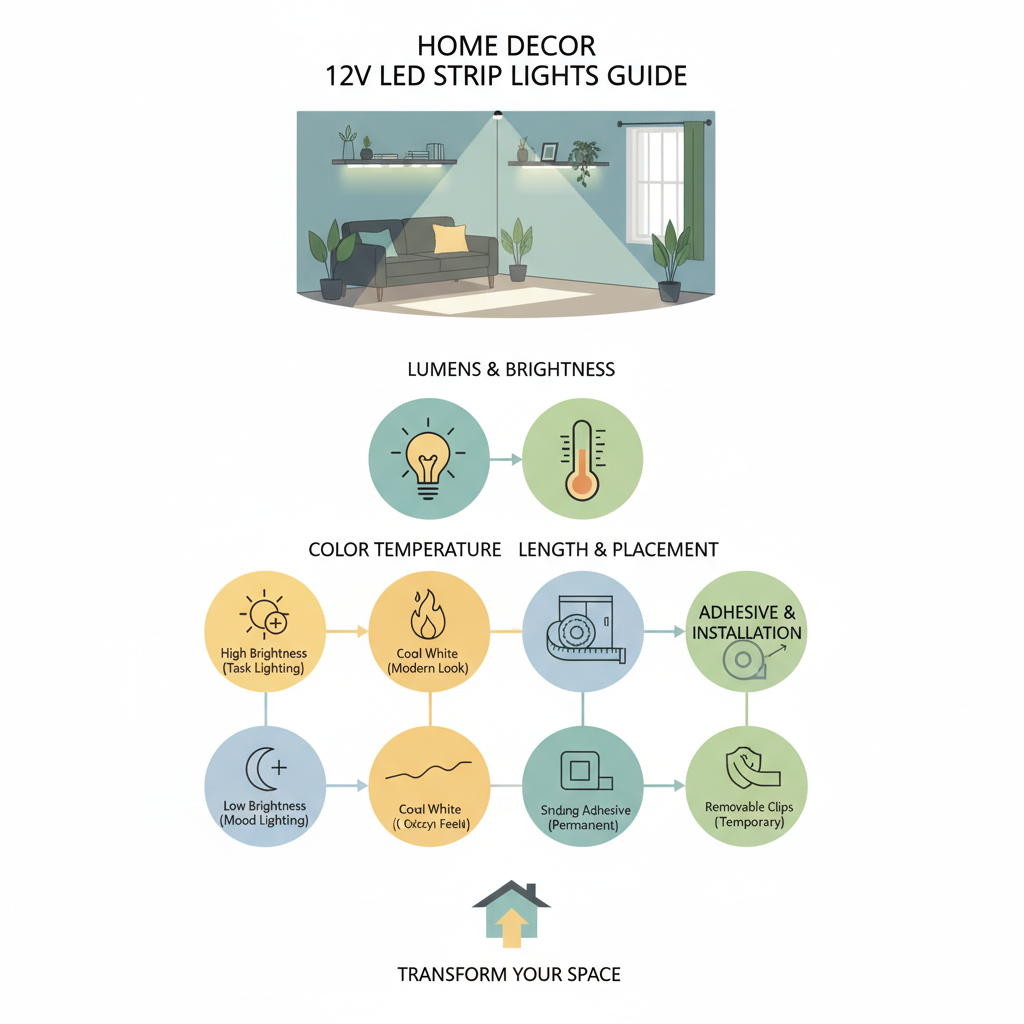
Understanding the Basics of 12V LED Strip Lights and Their Applications
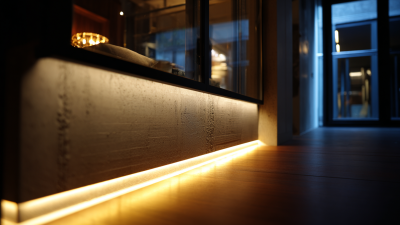
When choosing 12V LED strip lights for your home decor, it's essential to understand their basics and various applications. These flexible lighting solutions operate on a low voltage, making them safe and energy-efficient for residential use. Typically available in various color temperatures, from warm white to cool blue, 12V LED strips can help create the desired ambiance in any room. They are designed for easy installation, often coming with adhesive backing, which allows for versatile placement on surfaces like walls, ceilings, or furniture.
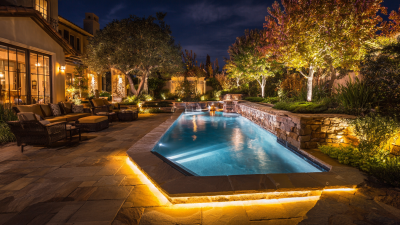
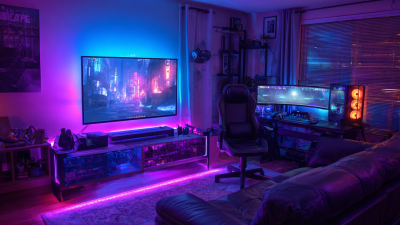
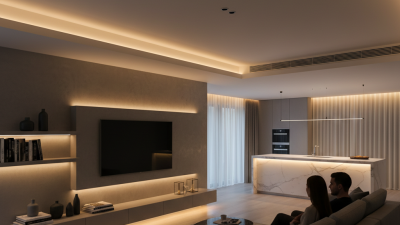
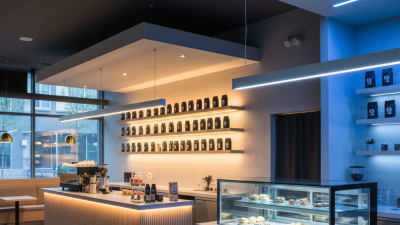
The versatility of 12V LED strip lights extends to their varied applications. They can be used for accent lighting in living spaces, under-cabinet lighting in kitchens, or even as backlighting for televisions. Additionally, many LED strips are waterproof, making them suitable for outdoor use as well, ideal for patios or gardens to enhance evening gatherings. By considering the specific needs of your space, such as brightness, color, and installation area, you can select the perfect LED strips to elevate your home decor.
Brightness Comparison of Different 12V LED Strip Lights
Evaluating Brightness and Color Temperature for Home Ambiance
When selecting 12V LED strip lights for your home decor, evaluating brightness and color temperature is crucial to create the desired ambiance. Brightness, measured in lumens, significantly impacts how a space feels. For common living areas, a range of 800 to 1600 lumens is recommended to achieve adequate illumination without overwhelming the decor. According to a study by the U.S. Department of Energy, LED lighting can produce up to 100 lumens per watt, making them an energy-efficient choice for home lighting.
Color temperature, measured in Kelvin (K), affects not just the aesthetics but also the mood of your space. A warmer color temperature (2700K to 3000K) tends to create a cozy and inviting atmosphere, perfect for relaxation in living rooms and bedrooms. Conversely, cooler temperatures (4000K to 6500K) can instill a sense of alertness and focus, ideal for workspaces or kitchens. The Lighting Research Center states that selecting the right color temperature can dramatically alter how wall colors and furniture are perceived in your home.
**Tips:** When in doubt, consider using tunable white LED strips, which allow you to adjust the color temperature according to your needs. Always test the lights in your space to see how they interact with your existing decor at different times of the day. Lastly, look for reputable brands that provide accurate lumen output and color temperature specifications to ensure optimal performance.
Choosing the Right Length and Flexibility for Your Space
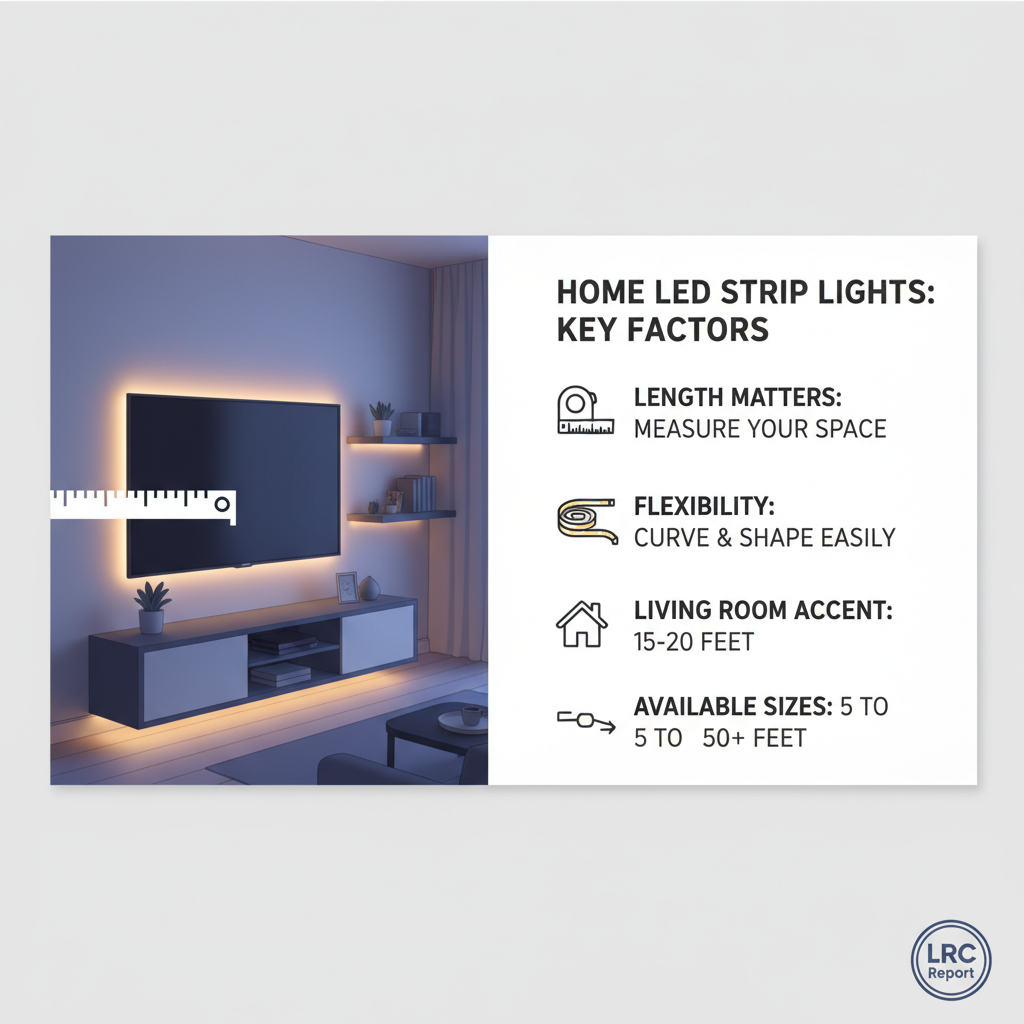
When selecting the best 12V LED strip lights for your home decor, the length and flexibility of the strips are crucial factors to consider. According to a report by the Lighting Research Center, LED strip lights can range from as short as 5 feet to over 50 feet, catering to various spaces and applications. Measuring the area you wish to illuminate is essential—this ensures that you don’t end up with excess length or insufficient lighting. For example, a typical living room accent should ideally utilize around 15 to 20 feet of LED strip to create an inviting atmosphere.
Flexibility is another significant feature that can enhance the aesthetics of your home. Many LED strip lights are designed to bend and conform to different contours, which is especially useful for creative installations in tricky spaces. A study from the National Electrical Manufacturers Association indicates that flexible strip lights can provide better illumination across curved surfaces, allowing for more innovative design choices. Thus, considering both the length and flexibility of your 12V LED strips will not only help you achieve the right look but also optimize the functionality of your lighting setup.
Exploring Different Types of LED Strip Lights and Their Features
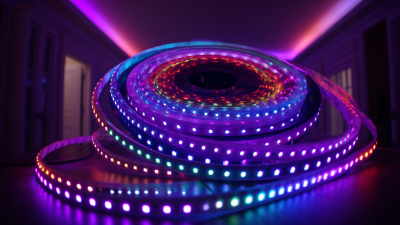
When it comes to enhancing your home decor, choosing the right 12V LED strip lights is crucial. These versatile lighting solutions come in various types, each with distinct features. For instance, RGB LED strips allow you to customize colors to suit your mood, while warm white strips create a cozy atmosphere. Additionally, waterproof options are available for outdoor applications, providing flexibility in design and usage.
According to industry reports, the global lighting market is valued at $139.79 billion in 2023, with projections indicating a rise to $154.27 billion by 2024 and further growth to $367.88 billion by 2032. This surge in the market underscores the increasing popularity of LED technologies, especially among homeowners looking to upgrade their spaces sustainably.
Tips: When selecting LED strip lights, consider the brightness level measured in lumens, ensuring it aligns with your needs for specific areas. Additionally, check for features such as dimmability and compatibility with smart home systems for added convenience and functionality in your decor.
Installation Tips and Best Practices for 12V LED Strip Lights
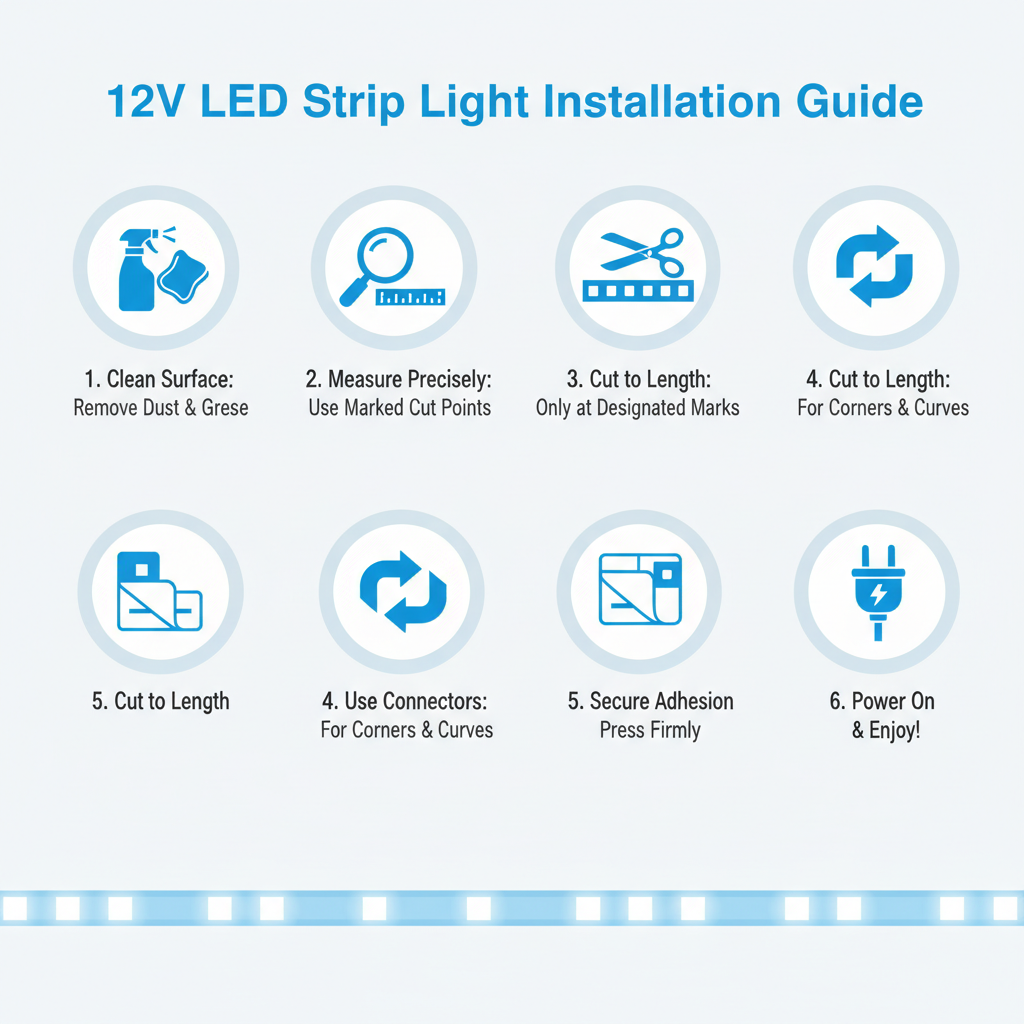
When installing 12V LED strip lights in your home, it is crucial to prepare your surfaces and ensure the environment is suitable for the adhesive backing. Clean the area thoroughly to remove any dust or grease that may prevent the strips from sticking effectively. For corners or curves, consider using LED strip connectors to maintain a seamless look without the need for cutting the strips. Always measure the length of the installation area precisely to cut the strip at the designated markings, which guarantees optimal performance and aesthetics.
Another best practice is to use a suitable power supply that matches the wattage requirements of your LED strips. Overloading a power supply can cause flickering or permanent damage to the lights. For larger installations, consider using multiple power connections to distribute the load evenly. Additionally, incorporating a dimmer switch can add versatility to your lighting, allowing you to adjust brightness according to the mood or occasion. Always ensure that electrical connections are secure and consider housing the components in a protective casing to enhance longevity and performance.