How to Choose the Best RFID Mobile Terminals for Your Business?
Choosing the right RFID Mobile Terminals for your business is crucial. These devices streamline operations and enhance inventory management. They can significantly improve efficiency in various industries, from retail to logistics.
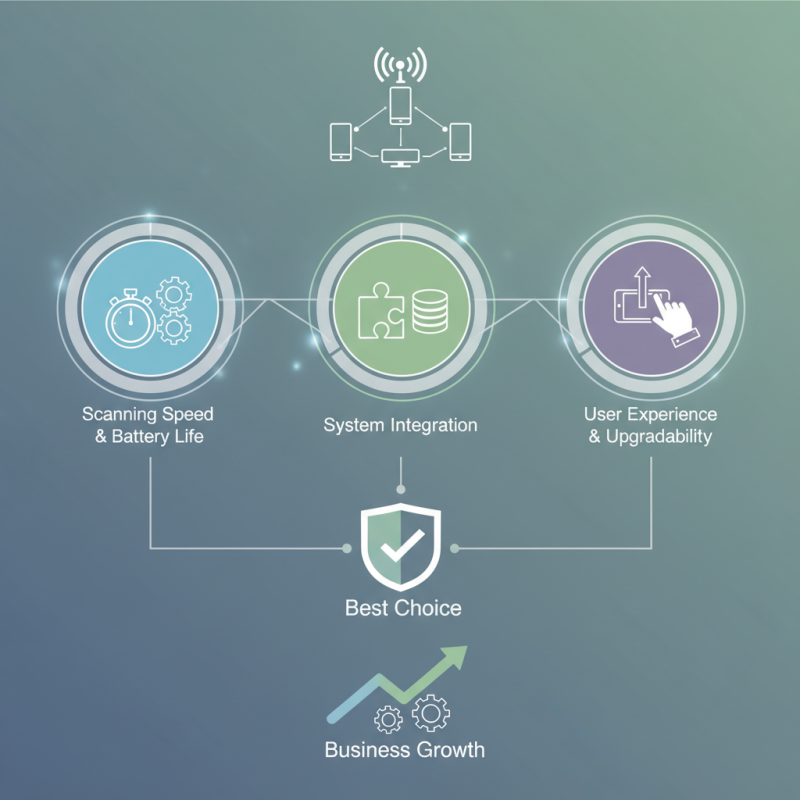
When selecting RFID Mobile Terminals, consider your specific needs. Different terminals have varied features, including scanning speed and battery life. A device that seems perfect may not fit your business requirements. It is important to evaluate how these terminals will integrate into your existing systems.
Do not overlook user experience. Ease of use can affect employee productivity. Moreover, think about the support and upgrading options available. The best choice will adapt to your business's growth. Reflect on these factors carefully to avoid costly mistakes.
Understanding RFID Technology and Its Applications in Business
RFID (Radio Frequency Identification) technology is transforming business operations. Its applications are broad, improving inventory management, asset tracking, and supply chain efficiency. According to a report by Research and Markets, the RFID market is expected to reach $30 billion by 2026, growing at a CAGR of 14.2%. This shows that many businesses recognize RFID's potential.
Companies across various industries adopt RFID to streamline processes. For example, retailers use RFID for real-time visibility of stock. A study by GS1 revealed that businesses utilizing RFID can achieve inventory accuracy rates of over 95%. This reduces stockouts and excess inventory. Real-time data helps businesses make quicker, informed decisions. However, implementation can be complex. It's crucial to assess specific needs and challenges first.
Despite its benefits, some companies struggle with RFID integration due to costs and training. A survey indicated that 40% of companies cite high initial investment as a barrier. Employees may need time to adapt to new technology. Continuous review and training are essential to overcome these hurdles. Understanding both the advantages and challenges is vital for success.
Understanding RFID Technology Applications in Business
Identifying Key Features of RFID Mobile Terminals
When selecting RFID mobile terminals, identifying key features is crucial. Look for devices with robust RFID reading capabilities. They should support various frequencies to ensure compatibility with different tags. A good terminal will also have a fast processing speed, allowing for quick inventory checks. Battery life is important too; longer battery life means more efficiency and less downtime.
Consider the terminal's ergonomic design. It should be lightweight and comfortable to hold, especially for long periods. Screen size matters as well; larger displays can improve usability but may add weight. You might find yourself reflecting on how much these features impact your team's productivity.
Communication options also play a role. Ensure the device offers reliable connectivity, such as Wi-Fi, Bluetooth, or cellular networks. Testing how easily the terminals integrate with your existing systems is essential. Sometimes, you'll discover that not all features are necessary for your specific operations. Balancing essential functions with cost is key to making the right choice.
Evaluating Performance Metrics of RFID Mobile Devices
When evaluating RFID mobile devices, performance metrics are crucial. Battery life is a primary concern. Studies show that devices with longer battery life enhance productivity by 20%. Users often find themselves recharging devices multiple times a day. This disrupts workflows and can lead to delays. Therefore, devices with reliable batteries are essential for sustained operations.
Data processing speed is another vital metric. According to industry reports, faster data capture significantly impacts inventory accuracy. Devices that process data in under two seconds increase accuracy rates by up to 30%. Many users have experienced frustrations with lagging devices. Slow processing can lead to lost sales or inventory mismatch.
Connectivity should also be a key consideration. Devices must maintain a strong signal in various environments. Reports indicate that dropped connections can occur in up to 15% of use cases. This inconsistency can hinder real-time inventory tracking. Businesses often need to reflect on their environment and device compatibility thoroughly. Each performance metric should align with specific operational needs for optimal efficiency.
Assessing Integration Capabilities with Existing Systems
When selecting RFID mobile terminals, integration capabilities with existing systems are crucial. A seamless connection can streamline operations and improve efficiency. Consider how the terminals will sync with your current software. Compatibility issues can lead to data loss and confused inventory management.
Evaluate the ease of integration. Some systems may require complex configurations. This complexity can frustrate staff and slow down deployment. Look for interfaces that allow easy data migration. User-friendly setups are essential for a smooth transition. It’s worth testing various options to see what works best.
Ensure the terminals can communicate without glitches. Communication delays can disrupt workflows. Regular testing is necessary to maintain smooth operation. Reflect on your current setup and anticipate future needs. Flexibility in integration will support your business growth.
Comparing Costs and Return on Investment for RFID Solutions
When considering RFID solutions for your business, cost and return on investment (ROI) are crucial factors. Many companies assume higher costs guarantee better performance. This isn’t always true. Sometimes, a more affordable option can yield similar benefits. Assessing your specific needs is vital.
Investing in RFID technology can lead to significant efficiency gains. However, hidden costs often arise. Setup fees, maintenance, and training expenses can add up. It's essential to account for these when calculating ROI. Take a close look at existing workflows. Identify areas that could improve with RFID. Determine if the expected gains justify the investment.
Moreover, not all RFID terminals are created equal. Some may not integrate seamlessly with current systems. Incompatibilities can lead to disruptions. Evaluate long-term goals, not just short-term savings. It’s essential to think about scalability and future needs. This way, you avoid costly replacements later. Balancing initial spend with actual value received requires careful thought.
How to Choose the Best RFID Mobile Terminals for Your Business? - Comparing Costs and Return on Investment for RFID Solutions
| Dimension | Low-End Model | Mid-Range Model | High-End Model |
| Cost | $1,000 | $2,500 | $5,000 |
| Battery Life | 8 hours | 12 hours | 16 hours |
| Weight | 1.0 kg | 0.8 kg | 0.6 kg |
| Scanning Distance | 1 meter | 3 meters | 10 meters |
| ROI Timeframe | 2 years | 1.5 years | 1 year |