How to Choose the Best Camping Sleeping Bag for Your Trip?
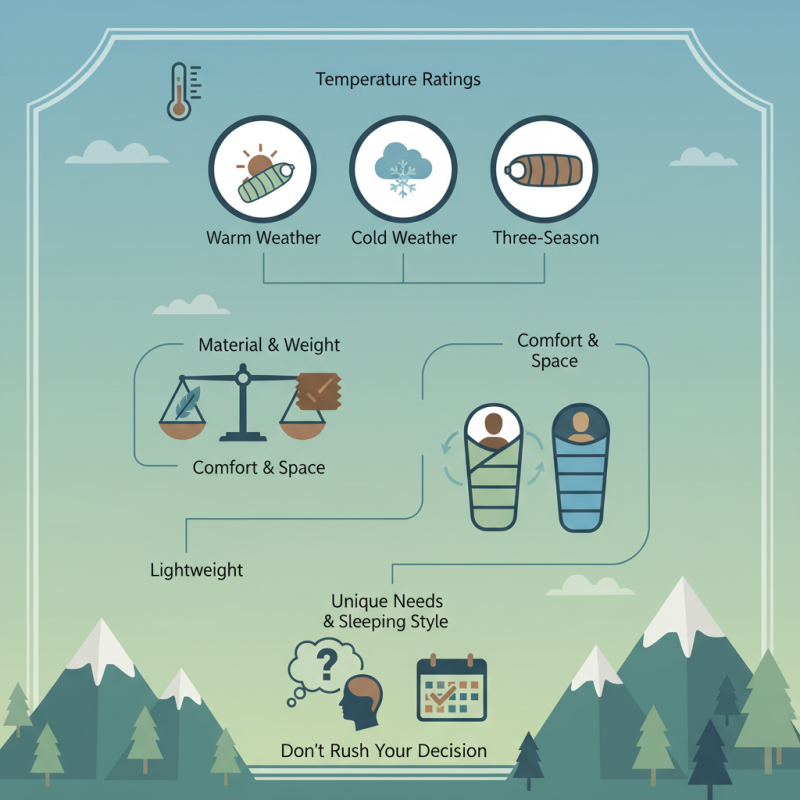
Choosing the right camping sleeping bag can significantly enhance your outdoor experience. The perfect camping sleeping bag keeps you warm during chilly nights. It's not just about warmth; comfort and space matter too.
When selecting a camping sleeping bag, consider temperature ratings. A good bag should suit the season you're camping in. Look for details like material and weight. A lighter sleeping bag is easier to pack, but it shouldn't sacrifice warmth.
Think about your unique needs. Do you move around a lot while sleeping? Some sleeping bags allow more freedom. Reflect on what might work best for you. Your camping trips deserve the best comfort and protection. Don't rush your decision. Take the time to find a bag that fits your style and needs.
Understanding Different Types of Sleeping Bags for Camping
When selecting a sleeping bag, understanding the different types is crucial. There are three main categories: rectangular, mummy, and semi-rectangular. Rectangular bags offer more space, allowing for comfortable movement. They suit casual campers seeking a laid-back experience. Mummy bags, on the other hand, are designed for warmth and efficiency. Their snug fit reduces cold air pockets. Many prefer them for cold-weather adventures, but they can feel restrictive.
Semi-rectangular bags blend the two styles. They provide space without sacrificing warmth. The choice often depends on personal preference. Consider how you sleep. Do you toss and turn? A rectangular design might suit you. If you tend to stay in one position, a mummy bag could serve you well. Remember, a bag that fits your body well can make or break your camping trip. Overlook this detail, and you might find yourself uncomfortable at night. Reflect on the climate, too. A lightweight bag may not serve in colder conditions, leaving you chilled and restless.
Assessing Temperature Ratings and Insulation Materials
When choosing a sleeping bag, temperature ratings and insulation materials are crucial. Understanding these aspects ensures a good night's sleep outdoors. Temperature ratings indicate the lowest comfortable temperature for the bag. A bag rated for cooler temperatures is necessary for cold weather trips. It's important to consider personal factors too. Some might feel colder than others at the same temperature, which can lead to discomfort.
Insulation materials also play a significant role. Synthetic options are generally water-resistant and dry quickly. They are often easier to maintain but can be bulkier. On the other hand, down insulation provides excellent warmth-to-weight ratios but can lose effectiveness when wet. Reflecting on your camping environment helps to make the right choice. For instance, a damp, rainy area could be challenging with down insulation.
Pay attention to bag shapes as well. Mummy bags hug the body closely, retaining heat better. Rectangular bags offer more space but can be less efficient at keeping warmth. Each choice has pros and cons. Consider how you sleep: if you move a lot, space may be more important than warmth. Remember, the best sleeping bag is one that fits your unique needs.
Considerations for Size and Weight When Selecting a Sleeping Bag
When selecting a sleeping bag for camping, size and weight are crucial factors. A sleeping bag's weight can significantly influence your hike. Research by the Outdoor Industry Association shows that 42% of campers consider weight a top priority. If you're backpacking, aim for a bag under three pounds. Lighter bags often compress better, saving space in your pack. However, lighter materials might compromise warmth.
Size is just as important. Your sleeping bag should fit snugly to trap your body heat. According to a study by the American Camping Association, an ill-fitting bag can lead to a 30% loss in warmth. A bag that's too large allows cold air to circulate. Conversely, one that's too tight can restrict movement and warmth.
Trying a bag in-store is ideal. Some designs are more spacious than others, so don’t assume all bags are the same. Inadequate testing can lead to uncomfortable nights. Packing a sleeping bag should also be considered. A well-compressed bag is easier to carry, but improper packing can damage insulation. Finding the right balance is essential. Ultimately, your choice should suit both your trip and personal comfort needs.
Evaluating Features for Comfort and Convenience in Sleeping Bags
When selecting a sleeping bag, comfort and convenience are key. Consider the insulation type. Synthetic insulation is often heavier but performs better in wet conditions. Down insulation is lighter and packs smaller but requires careful handling. A report from the Outdoor Industry Association indicates that 72% of campers prioritize warmth when choosing a bag.
Bag shape matters too. Mummy bags hug the body, providing maximum warmth. Rectangular bags offer space, but they can be less efficient heat-wise. Reports show that 65% of campers value sleeping space for comfort. However, these users might find themselves waking up chilly. An intriguing aspect is temperature ratings. Many bags may not align with actual conditions. Ratings are based on controlled environments, not real-world scenarios.
Pay attention to features. Draft collars and zippers can greatly enhance warmth. While you might think extra pockets are a bonus, they can add weight. A survey found that 54% of users packing packs often overlook weight. A hefty bag can lead to fatigue early on. Striking the balance between comfort and practicality is essential.
Sleeping Bag Features Evaluation
This chart evaluates different features of camping sleeping bags based on average ratings, helping you understand important factors like insulation type, weight, temperature rating, packed size, and durability for your next camping trip.
Budgeting for Quality: How Much to Spend on a Sleeping Bag
When budgeting for a quality sleeping bag, it’s essential to understand the price ranges. You can find budget sleeping bags for as low as $30, but these may lack essential features. According to a recent industry report, most campers spend between $75 and $200 on a reliable sleeping bag that offers comfort and insulation. This price usually reflects better materials and construction quality, which can significantly impact your camping experience.
Tips: Consider temperature ratings when selecting your sleeping bag. A bag rated for colder temperatures might be worth the investment, especially for winter camping. It’s also wise to examine the insulation type, as down feathers offer superior warmth but at a higher price. Synthetic materials are cheaper but can compromise warmth.
Reflecting on the cost, it’s easy to be drawn to lower-priced options. However, many campers report discomfort when using cheaper bags. Some claim they wake up cold or experience trouble zipping the bags. This often leads to sleepless nights in the great outdoors. It's a reminder that sometimes, spending a bit more can lead to a significantly improved camping experience.
How to Choose the Best Camping Sleeping Bag for Your Trip? - Budgeting for Quality: How Much to Spend on a Sleeping Bag
| Type of Sleeping Bag | Temperature Rating (°F) | Weight (lbs) | Price Range ($) | Best Use |
| Mummy | 20 | 3.5 | 100 - 200 | Backpacking |
| Rectangular | 35 | 5.0 | 50 - 150 | Car Camping |
| Semi-Rectangular | 30 | 4.0 | 75 - 175 | General Camping |
| Down Insulation | 15 | 2.5 | 150 - 300 | Cold Weather |
| Synthetic Insulation | 25 | 4.5 | 70 - 180 | Versatile |