How to Choose the Best RGB LED Strip for Your Home Lighting Needs
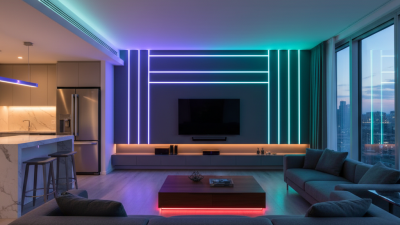
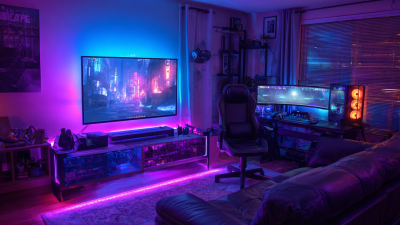
In recent years, RGB LED strips have revolutionized home lighting, providing endless possibilities for customization and ambiance. According to lighting industry expert David Jensen, "The versatility of RGB LED strips allows homeowners to express their style and create moods with just a flick of a switch." As homeowners increasingly seek innovative solutions to enhance their living spaces, choosing the right RGB LED strip has never been more critical.
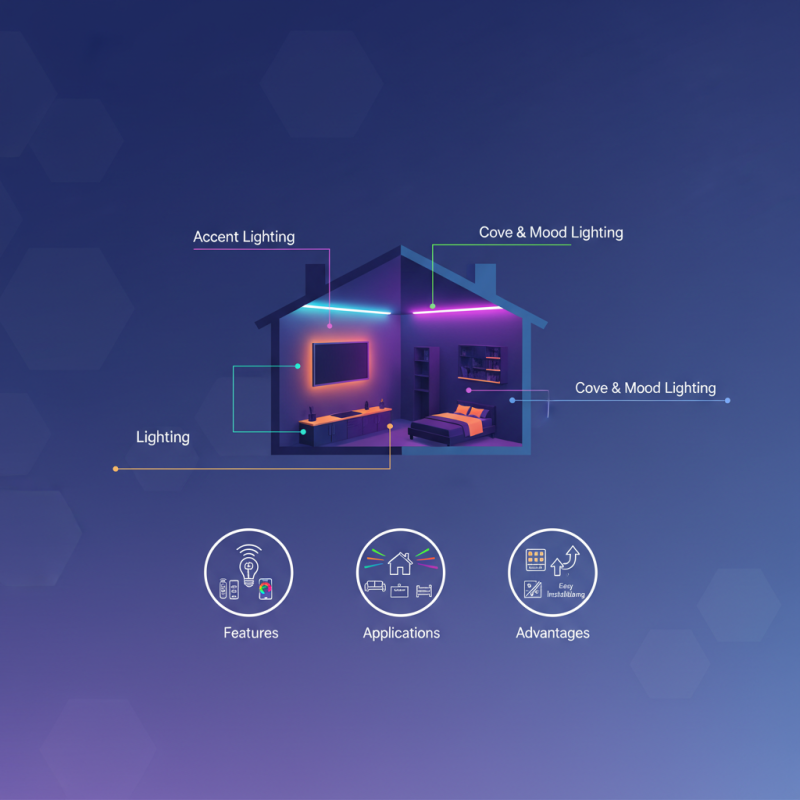
With a multitude of options available, understanding the fundamental features, applications, and advantages of RGB LED strips can help homeowners make informed decisions that meet their specific lighting needs. From accent lighting to full-scale room illumination, these strips offer flexibility not only in color but also in design. This guide aims to empower you with the knowledge needed to select the best RGB LED strip, ensuring that your home lighting is both functional and aesthetically pleasing.
Understanding RGB LED Strip Basics: What You Need to Know
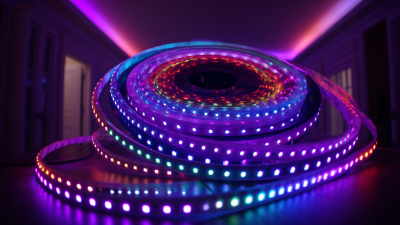
When selecting the best RGB LED strip for your home lighting needs, understanding the fundamental aspects of RGB technology is essential. RGB LED strips consist of red, green, and blue diodes that can combine to create a vast spectrum of colors, making them ideal for various applications, from ambient lighting to accent features. According to the Smart Lighting Market Research Report, the global market for smart lighting, which includes RGB LED products, is projected to reach $75 billion by 2025, reflecting the growing popularity of customizable lighting solutions in residential spaces.
When examining RGB LED strips, consider the key specifications like lumens per foot, color accuracy, and the length of the strip. Higher lumen output indicates brighter light, essential for areas requiring more illumination, while color accuracy ensures that the colors displayed appear true to life, which is especially important for decorative lighting. The average lifespan of quality RGB LED strips can range from 25,000 to 50,000 hours, significantly reducing replacement frequency and maintenance costs. A report by the U.S. Department of Energy highlights that LED products, including RGB strips, can save up to 75% more energy compared to traditional lighting, leading to lower utility bills and a more sustainable home environment.
Identifying Your Lighting Needs: Assessing Space and Functionality
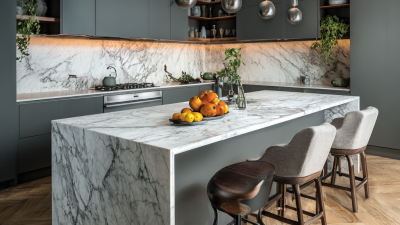
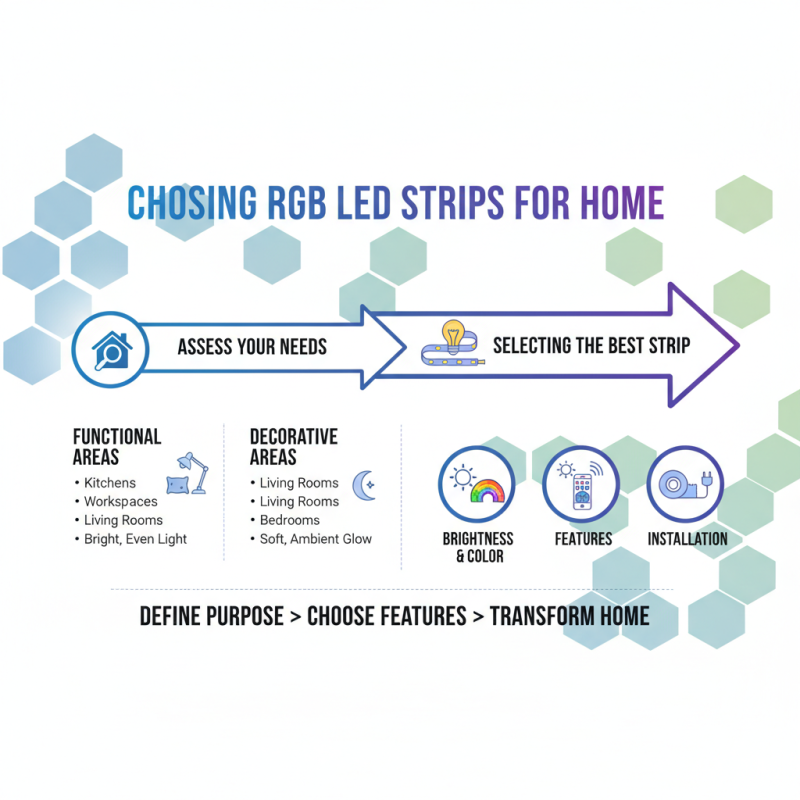
When selecting the best RGB LED strip for your home, it’s essential to begin by assessing your specific lighting needs. Consider the spaces you intend to illuminate—are they primarily functional areas like kitchens and workspaces, or do they serve more decorative purposes, such as living rooms and bedrooms? Each area has unique requirements; for instance, bright, even lighting may be crucial in a workspace, while a softer, ambient glow might be preferred in a relaxing bedroom setting.
Additionally, think about the functionality you desire from your lighting. Are you looking for adjustable colors to match your mood or activities? It’s important to evaluate whether the LED strip will be used for general lighting, accent lighting, or perhaps even task lighting. The length of the strip and its brightness are also significant factors to consider, as they will impact how effectively the lighting serves its intended purpose. By identifying the primary functions and characteristics needed for each space, you can choose an RGB LED strip that not only enhances your home’s aesthetic but also meets your practical lighting demands.
Exploring Different Types of RGB LED Strips: Flexible vs. Rigid
When selecting RGB LED strips for home lighting, understanding the differences between flexible and rigid options is essential for achieving the desired aesthetic and functional outcomes. Flexible RGB LED strips are made from a soft material that allows them to bend and conform to various shapes and surfaces. This adaptability makes them ideal for applications such as under-cabinet lighting, cove lighting, or even creative installations that require a non-linear approach. Their ease of installation and versatility enable homeowners to achieve intricate designs that enhance the ambience of any room.
On the other hand, rigid RGB LED strips are composed of a solid, inflexible board, making them suitable for applications that require a straight installation, such as along walls or ceilings. These strips often come with a more robust heat dissipation capability, which can lead to improved longevity and brightness. Rigid options may also provide a more polished look due to their structured design, making them preferable for commercial settings or modern home interiors where a sleek appearance is desired. Ultimately, the choice between flexible and rigid RGB LED strips should be guided by the specific lighting goals, the environment of installation, and the overall design aesthetic envisioned for the space.
Comparison of Different Types of RGB LED Strips
Key Features to Consider: Brightness, Color Range, and Control Options
When selecting the best RGB LED strip for your home lighting, understanding key features like brightness, color range, and control options is essential. Brightness, measured in lumens, can significantly impact how the lighting enhances your space. Different areas require varying levels of brightness; for instance, ambient lighting may call for a softer glow, while task lighting should be more intense. Look for LED strips that provide adjustable brightness settings, enabling you to tailor the light output to your specific needs and preferences.
The color range offered by RGB LED strips is equally important. Ideally, you want a strip that can produce a wide spectrum of colors, from vibrant shades to subtle pastels. Some advanced models even allow for individual control of RGB channels, giving you the flexibility to create complex lighting arrangements for different moods or occasions. Alongside brightness and color range, consider the control options available. There are models that come with remote controls, smartphone apps, or even voice command capabilities, allowing for seamless integration into your smart home system. By prioritizing these features, you can select an RGB LED strip that not only meets your aesthetic desires but also enhances the functionality of your home lighting.
How to Choose the Best RGB LED Strip for Your Home Lighting Needs - Key Features to Consider
| Feature |
Description |
Considerations |
| Brightness |
Measured in lumens, brightness affects how well the colors show and the overall ambiance. |
Consider your space size and desired illumination level. |
| Color Range |
The variety of colors available, often defined in RGB (Red, Green, Blue) format. |
Ensure the strip can create the colors you need for different moods. |
| Control Options |
Options may include remote, app control, or voice control integration. |
Choose controls that fit your lifestyle and accessibility needs. |
| Length |
The total length of the LED strip can impact installation and use. |
Measure your space to ensure you buy the right length. |
| Power Source |
LED strips can be powered by USB, batteries, or AC adapters. |
Assess your installation location for optimal power supply options. |
| Water Resistance |
Some strips are rated for damp or wet locations. |
Choose based on indoor or outdoor use requirements. |
Installation Tips for RGB LED Strips: Best Practices and Techniques
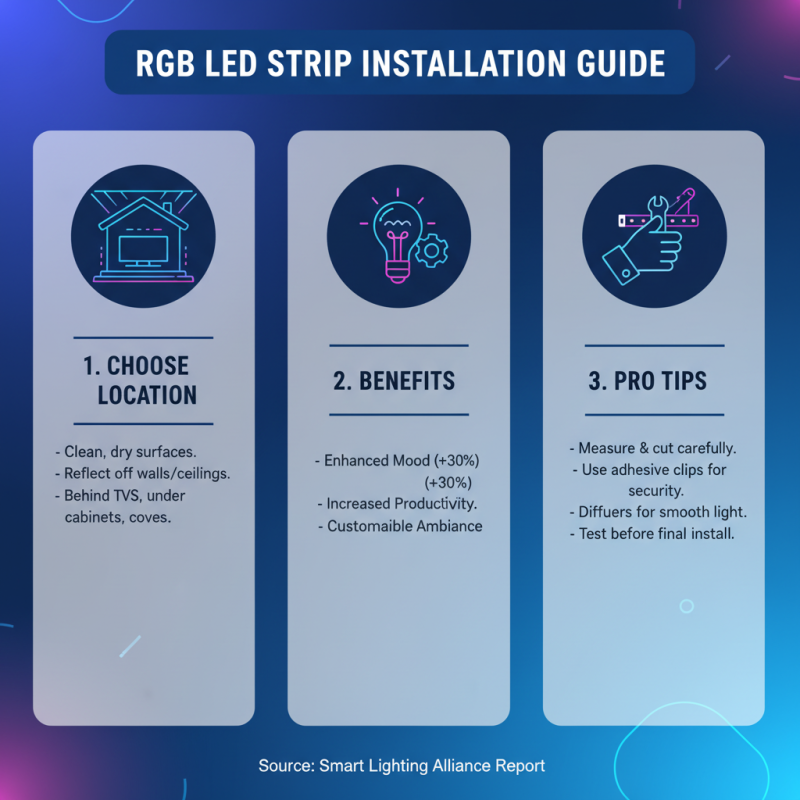
Installing RGB LED strips in your home can transform your living space, but proper installation is crucial to achieve optimal results. According to a report by the Smart Lighting Alliance, effective lighting design can enhance mood and productivity by over 30%. To start, it’s essential to select the right location for your LED strips. They should be applied to clean, dry surfaces, ideally in areas where they can reflect light off walls or ceilings, maximizing luminosity and creating a vibrant atmosphere.
When it comes to installation techniques, adhering the strips directly to surfaces without obstacles is key. Using mounting clips can help secure the strips in place and prevent sagging over time. It's also advisable to avoid sharp bends and twists in the installation, as these can lead to hotspots or flickering. For better control over the lighting, consider using connectors that allow you to change the direction of the strip without compromising its integrity. Proper wiring and ensuring compatibility with dimmers or smart home systems can also enhance functionality. Data from the National Lighting Bureau indicates that consumers who opt for well-planned lighting installations report a 40% increase in satisfaction with their living environment, underscoring the importance of getting it right from the start.