How to Choose the Best Tape Lights for Your Home or Office?
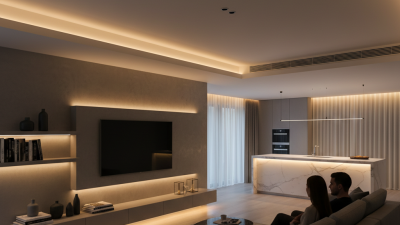
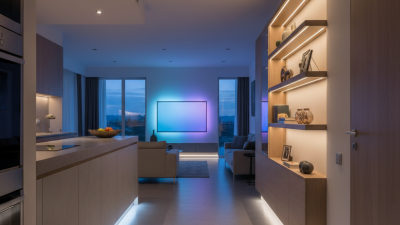
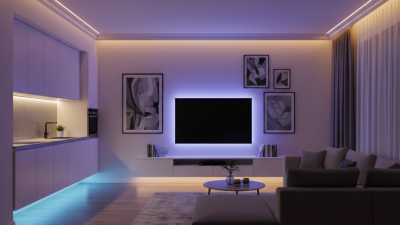
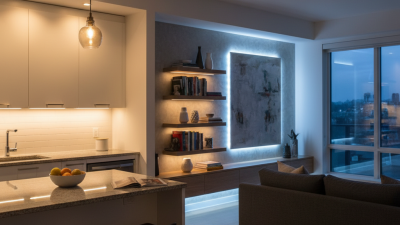
When it comes to enhancing your living space, selecting the right tape lights can make a significant difference. According to lighting expert Lucy Green, "Tape lights bring versatility and style to any room." These lights can be used for various purposes, from highlighting art pieces to creating an inviting ambiance in your office.
Choosing tape lights can be overwhelming. With numerous options on the market, how do you find the best fit for your needs? Consider factors like brightness, color temperature, and flexibility. Each of these elements plays a crucial role in the final look of your space.
Tape lights are not just decorative; they also add functionality. You might want to illuminate dark corners or create a cozy reading nook. Reflect on your goals and how you plan to use them. Ensure you measure your space accurately to avoid disappointment later. The right choice can elevate your environment, but it's essential to know what you truly want.
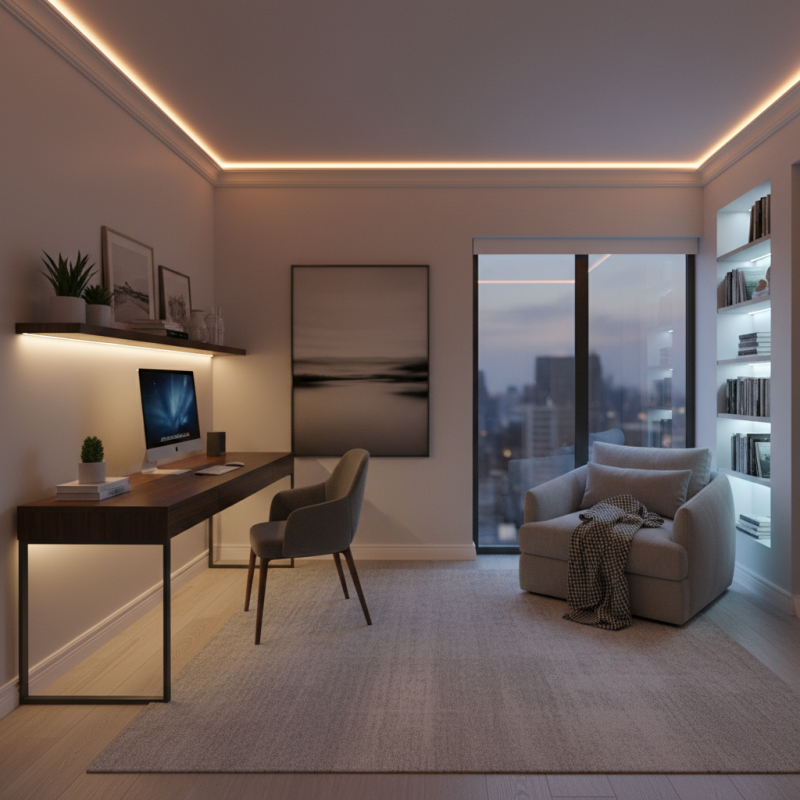
How to Determine the Ideal Brightness Level for Tape Lights
Choosing the right brightness level for tape lights can transform your space. A study indicates that around
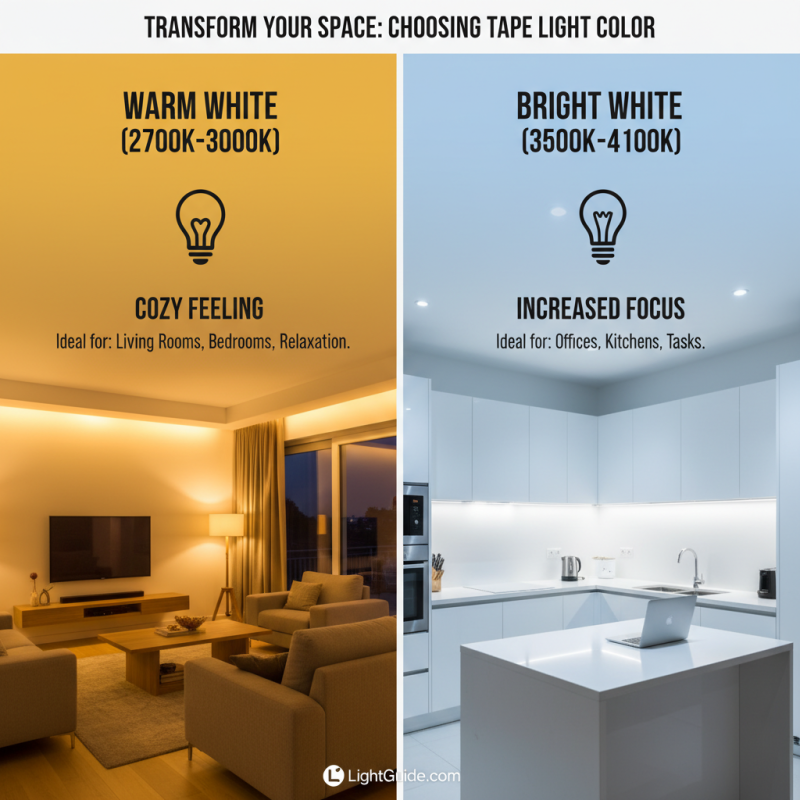
60% of people prefer warm white light for relaxation and social settings.
This choice affects mood and productivity. Proper lighting enhances comfort and visual appeal.
Consider your tasks when determining brightness. For reading or working, a brighter light is essential. Aim for a
minimum of 300 lumens per meter. This level ensures clarity and reduces eye strain. Conversely, ambient lighting requires
softer brightness. Lower levels around 150 lumens create a cozy atmosphere.
Evaluate your space before purchasing. Tiny rooms may thrive with a mix of brightness levels.
Larger spaces often need a more uniform approach. If you overestimate brightness, the effect may be harsh.
There lies a fine line between functionality and comfort. Balancing both is key for satisfaction.
Understanding Different Types of Tape Lights: LED vs. Traditional
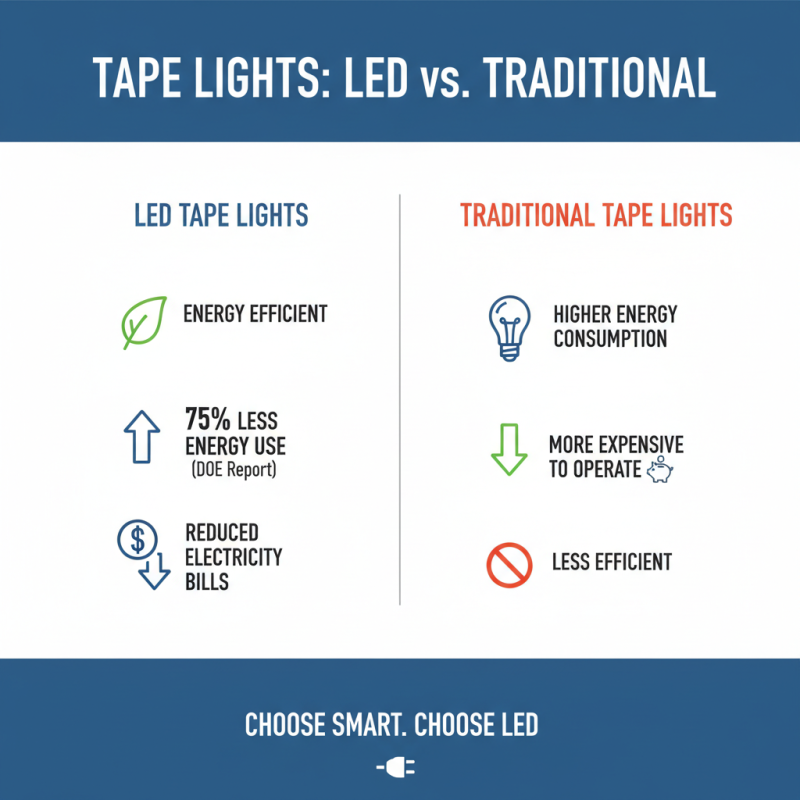
When considering tape lights, understanding the differences between LED and traditional options is crucial. LED tape lights are increasingly favored for their energy efficiency. A report by the Department of Energy indicates that LED lights use at least 75% less energy than traditional incandescent bulbs. This efficiency translates into reduced electricity bills, which can be appealing for homeowners and office managers.
Traditional tape lights, while more affordable at first, typically have higher energy consumption. They can also generate more heat, posing fire hazards. LED lights generally last longer, with an average lifespan of 50,000 hours compared to 1,000 hours for incandescent versions. This longevity cuts down on replacement costs and waste, encouraging a more sustainable choice.
However, LED tape lights might not suit every space or aesthetic. Some users find the light too harsh or cold. Additionally, the upfront cost can deter some buyers. In contrast, traditional lights may provide a softer glow but lack efficiency and durability. Balancing these factors requires careful thought and reflection on individual needs. Choosing the right tape lights can greatly enhance a room’s ambiance and functionality.
Calculating the Required Length of Tape Lights Based on Room Dimensions
When choosing tape lights, measuring your space is crucial. Start with the dimensions of the room. You will need to know the length of each wall. Measure carefully; a mistake can lead to wasted materials or inadequate lighting. Note that furniture or built-in features may affect placement.
Once you have the measurements, create a simple layout. Consider where you want the ambient or task lighting. Tape lights are flexible, but knowing where to use them is essential. Don’t forget to account for corners and obstacles. If you have an odd-shaped room, you might find it tricky. Reflect on how you envision the lighting enhancing your space.
Finally, calculate the total length of tape lights needed. Add together the lengths from your layout. It’s wise to buy a little extra just in case. There’s always a chance of errors in cutting or installation. By taking precise measurements and planning ahead, you can create a beautifully lit environment that suits your home or office perfectly.
Calculating the Required Length of Tape Lights Based on Room Dimensions
Evaluating Energy Efficiency: Choosing the Right Wattage for Your Needs
Choosing the right wattage for tape lights is crucial for efficiency. Low wattage may save energy but might not provide adequate brightness. Consider how you intend to use the lights. For decorative purposes, lower wattage can create ambient lighting. However, for task lighting in your office or kitchen, a higher wattage is necessary.
Energy efficiency is often overlooked. Pay attention to lumens, not just watts. A higher lumen output means more light without necessarily using more power. Many people assume that bright lights always consume more energy. This isn’t true with modern LED options. But still, evaluating the right wattage requires careful thought.
Consider your space. A small room won’t need as much wattage as a large, open area. You might be tempted to go for higher power, thinking it will add brightness. This can lead to over-lighting, which wastes energy and can be uncomfortable. Reflect on your environment before making a final decision.
How to Choose the Best Tape Lights for Your Home or Office? - Evaluating Energy Efficiency: Choosing the Right Wattage for Your Needs
| Wattage |
Lumens Output |
Application Area |
Energy Efficiency (lm/W) |
Recommended Usage |
| 5W |
400 lm |
Accent Lighting |
80 lm/W |
Small Spaces, Night Lights |
| 10W |
800 lm |
Task Lighting |
80 lm/W |
Desk, Kitchen Counters |
| 15W |
1200 lm |
General Lighting |
80 lm/W |
Living Rooms, Home Offices |
| 20W |
1600 lm |
High Output Lighting |
80 lm/W |
Large Rooms, Commercial Spaces |
| 30W |
2400 lm |
Flood Lighting |
80 lm/W |
Outdoor Areas, Bigger Workspaces |