How to Choose the Best LED Lights for Your Home?
Choosing the right LED lights for your home can be challenging. There are various options available, which can be overwhelming. LED lights come in different colors, shapes, and sizes. Each variant affects the ambiance of your space in unique ways.
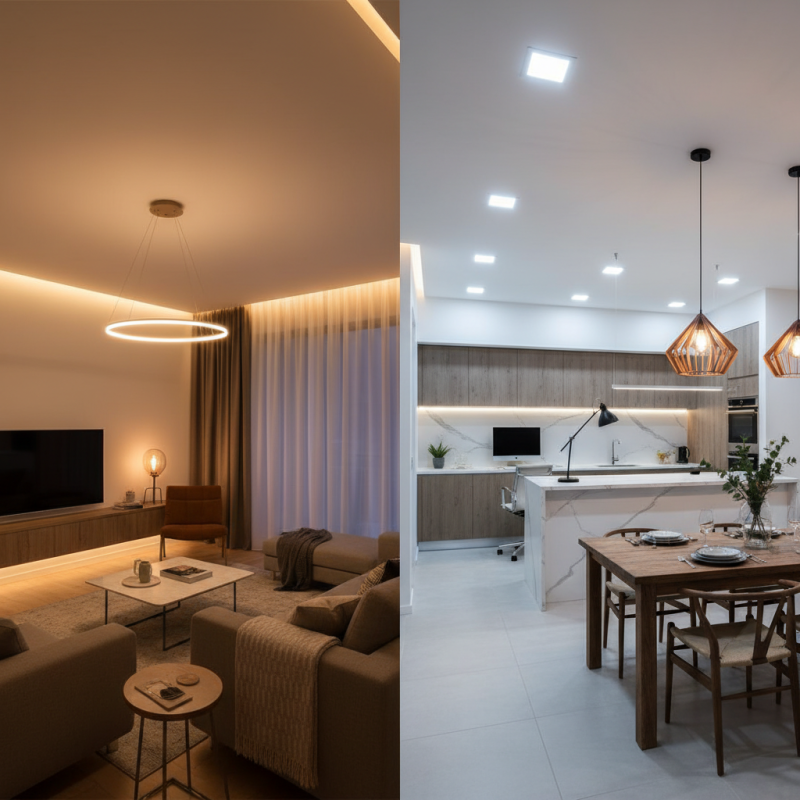
Consider how these lights can transform your rooms. For example, warm white LED lights can create a cozy atmosphere in your living room. Bright white LED lights are perfect for workspaces, enhancing focus. While selecting these lights, reflect on your personal style and needs.
However, quality matters. Not all LED lights are created equal. Some may flicker or change color over time. Investing in good LED lights can save you money in the long run, but remember to check reviews. Your choices should enhance comfort while being energy-efficient.
Understanding LED Lighting: Benefits and Features
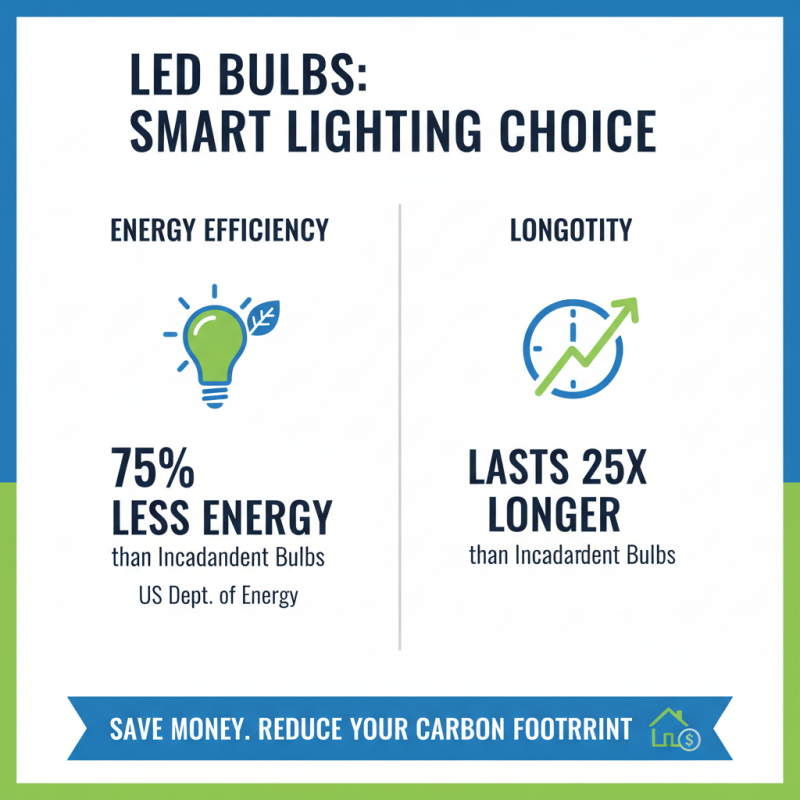
LED lighting has transformed how we illuminate our homes. Understanding the benefits is crucial for making the right choice. One major advantage is energy efficiency. LED lights consume less power than traditional bulbs. They can last up to 25 times longer, reducing the need for frequent replacements. This cuts down on waste. Additionally, LED lights emit less heat, leading to lower cooling costs in warmer months.
When evaluating features, consider color temperature. It affects the mood of a space. Warm white lights create a cozy feel, while cool white can energize a room. Dimming capabilities also add versatility. Some LED options allow you to adjust brightness levels. However, choosing the wrong brightness can make a room feel harsh or gloomy.
Light appearance plays a vital role too. Not all LEDs provide the same light quality. Some may flicker or emit an unpleasant hue. It’s helpful to test lamps in person before making a purchase. Check how the light looks in your home environment. Remember, not all LED bulbs are created equal, so research is often needed.
How to Choose the Best LED Lights for Your Home? - Understanding LED Lighting: Benefits and Features
| Feature |
Benefits |
Considerations |
| Energy Efficiency |
Uses significantly less energy than traditional bulbs |
Initial cost can be higher, but savings on electricity bills |
| Lifespan |
Lasts up to 25,000 hours or more |
Quality varies between products |
| Color Temperature |
Available in warm, neutral, and cool tones |
Choose based on ambiance desired |
| Dimmability |
Offers adjustable brightness |
Requires compatible dimmer switches |
| Instant On |
Provides full brightness immediately |
No warm-up time needed, unlike some CFLs |
| Environmental Impact |
Free of harmful chemicals like mercury |
Recyclable options available |
Identifying the Right LED Light Types for Different Spaces
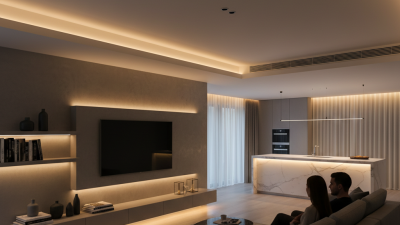
Choosing the right LED lights for various spaces can significantly enhance your home’s atmosphere. In living rooms, a warm white light of around 2700K creates a cozy environment, inviting relaxation. According to industry reports, using softer lighting in communal spaces can improve mood and comfort levels by 40%. This makes it crucial to select the appropriate color temperature for your needs.
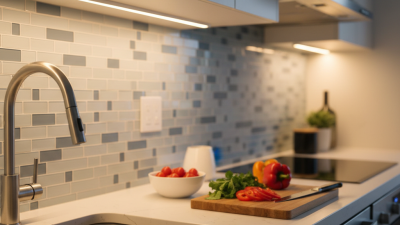
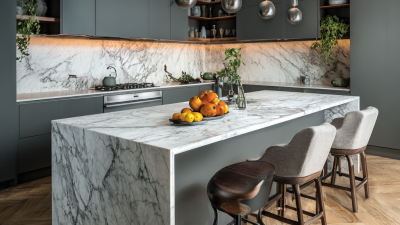
Kitchens require bright, cool white lights, typically between 3500K and 4100K. This brightness aids in cooking tasks and food preparation. A study indicated that well-lit kitchens can increase efficiency by 30%. For bedrooms, it’s important to consider dimmable lights that transition from bright to soft. Soft lighting promotes better sleep habits, making sleep quality improve by nearly 20% according to sleep studies.
Bathrooms benefit from bright, even lighting too, but incorporating task lighting around mirrors is key. A balance of ambient and task lighting prevents harsh shadows, important for grooming tasks. Yet, many overlook this detail. They often install a single fixture, leading to inadequate lighting. Integrating LED lights in suitable areas will not only elevate aesthetics but also functionality.
Evaluating Brightness and Color Temperature in LED Lights
When evaluating LED lights for your home, brightness and color temperature are key factors.
Brightness is measured in lumens. More lumens mean a brighter light.
For cozy rooms, soft, warm lighting is often preferred. It creates an inviting atmosphere.
In contrast, bright, cooler light is useful for workspaces. It enhances focus and productivity.
Color temperature is measured in Kelvins. Lower numbers indicate warmer light, while higher numbers mean cooler light.
A living room or bedroom benefits from a warm white light around 2700K.
This temperature feels calming and relaxing. Meanwhile, kitchens and bathrooms may use lights closer to 4000K.
These lights feel cleaner and more energetic.
Selecting the right combination can feel overwhelming. It’s easy to get lost in technical specs.
Not all manufacturers provide clear descriptions, which complicates choices.
Experimentation can also lead to surprises. You might find that the light looks different once installed.
Be prepared to adjust your selections. This trial and error can lead to better understanding of your lighting needs.
Energy Efficiency and Longevity of LED Bulbs
When choosing LED lights for your home, energy efficiency is vital. According to the U.S. Department of Energy, LED bulbs use at least 75% less energy than incandescent bulbs. This makes them a popular choice for homeowners seeking to reduce energy costs while still enjoying good lighting.
LEDs have a long lifespan, lasting up to 25,000 hours or more. In contrast, incandescent bulbs last only about 1,000 hours. This longevity means fewer replacements, which saves both time and money. A study by the National Electric Cooperative Association shows that switching to LED lighting can save an average household around $225 annually in energy costs.
Tips: When selecting LED bulbs, consider the brightness and color temperature. Look for bulbs that emit warm white light for a cozy atmosphere. Also, check the lumens rating instead of wattage to ensure adequate brightness. Remember, not all LED bulbs are created equal; some may not reach their advertised lifespan.
While LEDs are highly efficient, some are not dimmable or work poorly with existing fixtures. It’s essential to verify compatibility before making a purchase. Installing incompatible bulbs can lead to flickering or even burnout. Balancing quality with cost is crucial to finding the right LED solution for your space.
Considering Design and Aesthetic Integration in Home Lighting
When selecting LED lights for your home, design and aesthetic integration are crucial. The lighting should complement your decor and enhance the overall ambiance. A study by the American Lighting Association found that 70% of homeowners consider the style of lighting fixtures as important as their energy efficiency. Choosing the right LED fixtures adds character to a room. Think about the colors and shapes that resonate with your space.
Consider the warmth of the light. Cooler hues may clash with a cozy living room. Meanwhile, warmer tones can create a welcoming atmosphere. In fact, a report by the International Journal of Lighting Technology indicated that 80% of respondents preferred warm lighting in living spaces. Lighting should reflect personal taste. Evaluate your choices by observing how different designs impact your home's mood. This might take time, but the payoff is worth it.
Remind yourself that there is no perfect solution. Some fixtures may not provide adequate illumination. Others might not fit seamlessly with your style. It’s essential to try different options and remain open to change. Lighting trends evolve, and what works today may not tomorrow. Be prepared for adjustments as your style grows. Embrace the process of experimentation for a truly integrated home lighting design.
Comparison of LED Light Types in Home Lighting Design