10 Essential Tips for Choosing the Best Commercial LED Strip Lights
When it comes to enhancing the ambiance and functionality of commercial spaces, choosing the right lighting solution is crucial. Among the various options available, commercial LED strip lights have gained immense popularity due to their versatility, energy efficiency, and ability to create captivating visual effects. However, selecting the best commercial LED strip lights can be daunting, given the numerous products and specifications on the market. To ensure you make an informed decision, it's essential to understand the key factors that influence your selection, such as brightness, color temperature, and installation ease.
In this guide, we will explore ten essential tips for choosing the ideal commercial LED strip lights that cater to your specific needs. Whether you're looking to illuminate a retail store, restaurant, or office environment, these tips will help you navigate through the multitude of options while maximizing both aesthetics and functionality. From understanding the benefits of LED technology to assessing lumens per watt, our insights will empower you to create a well-lit space that enhances productivity and attracts customers.
Understanding the Importance of Lumens in Commercial LED Strip Lights
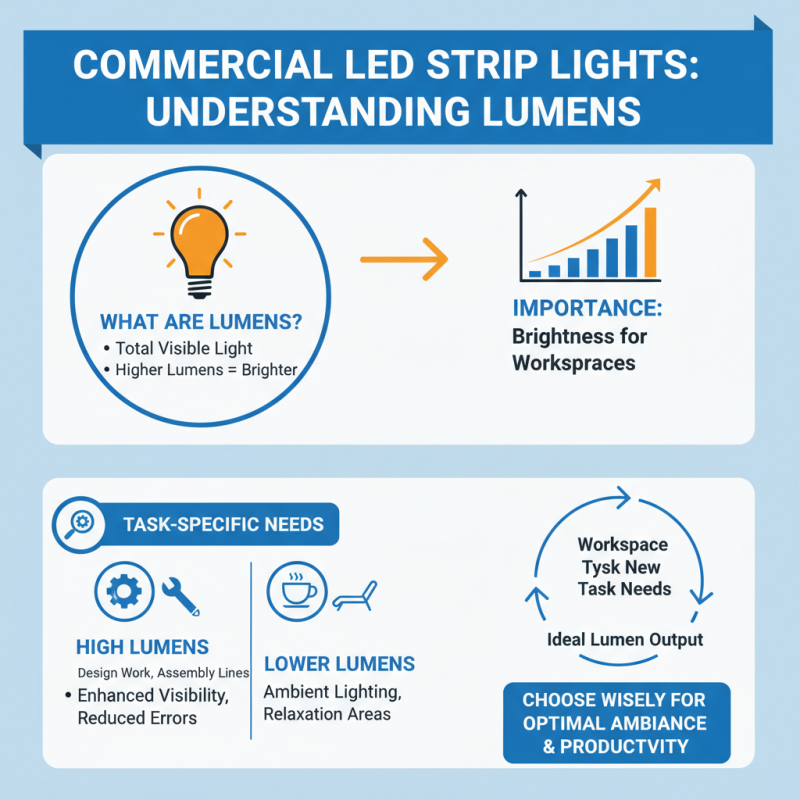
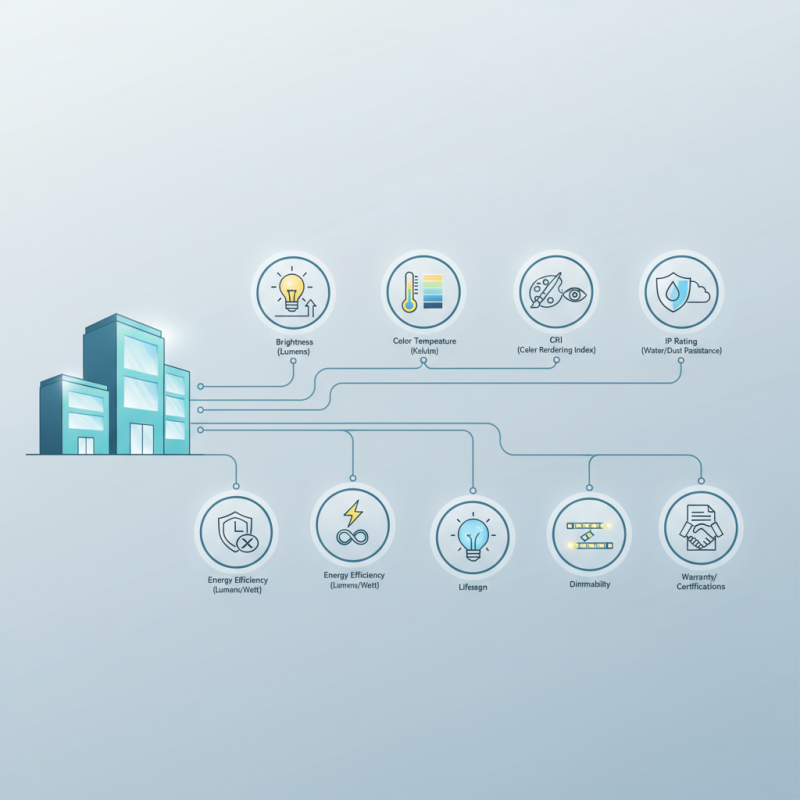
When selecting commercial LED strip lights, understanding lumens is crucial for ensuring adequate brightness and ambiance in your workspace. Lumens measure the total amount of visible light emitted by a source; thus, a higher lumen count indicates a brighter light. For commercial applications, the ideal lumen output will vary depending on the specific setting and purpose. For instance, areas designated for intricate tasks such as design work or assembly lines require higher lumens to enhance visibility and reduce the chances of errors.
Moreover, the quality of light produced by LED strips is equally important. Different commercial environments — from retail spaces to warehouses — may require varying light intensities to create the desired atmosphere or to comply with safety regulations. Illuminating work areas with an appropriate lumen count not only improves productivity but also enhances the overall aesthetic of the space. Therefore, when choosing LED strip lights, consider the lumens required for the specific application to achieve an effective balance between functionality and comfort. This focus on lumens will ultimately guide you toward selecting the most suitable lighting solutions for your commercial needs.
Evaluating Color Temperature: Choosing the Right Ambiance for Your Space
When selecting commercial LED strip lights, evaluating color temperature is crucial to achieving the desired ambiance for your space. Color temperature, measured in Kelvin (K), significantly influences the mood and functionality of an environment. For instance, a warmer color temperature (around 2700K to 3000K) creates a cozy and inviting atmosphere, making it ideal for areas like restaurants, lounges, or retail spaces where relaxation and comfort are priorities. In contrast, cooler color temperatures (above 4000K) are better suited for professional settings, such as offices or meeting rooms, as they promote alertness and concentration.
In addition to the atmosphere, the color temperature can also affect how colors appear in your space. A warmer light can make colors look more muted and softer, while cooler lights can enhance brightness and vibrancy. It's essential to consider the function of the space and the visual effects you wish to achieve before making a decision. By carefully choosing the color temperature of your LED strip lights, you can create a harmonious and effective environment that meets the needs of your business and enhances the overall aesthetic.
Assessing Voltage Compatibility for Optimal Performance and Safety
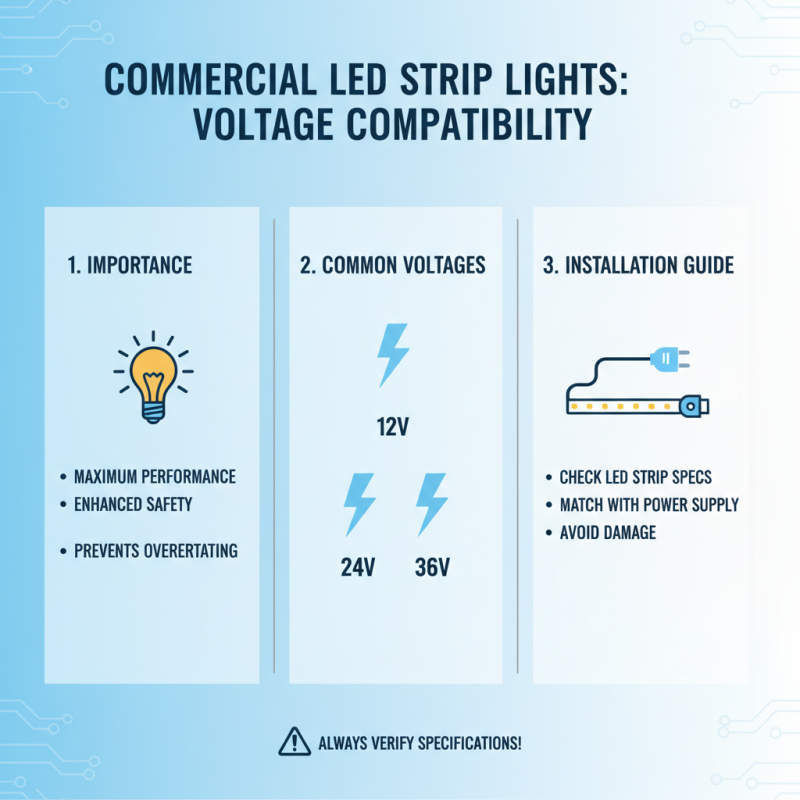
When choosing the best commercial LED strip lights, one critical aspect to consider is voltage compatibility. Ensuring that the LED strips are matched with the correct voltage source not only maximizes their performance but also maintains safety. Typically, LED strips come in various voltage ratings, such as 12V, 24V, or even 36V. Selecting a voltage that aligns with your existing electrical infrastructure is essential to prevent overheating and potential damage. Always verify the specifications of your LED strips to guarantee they match the power supply to which they will be connected.
Another key tip is to assess the power consumption of the LED strips you are considering. It’s vital to calculate the total wattage required and ensure that your power supply can handle this load effectively. Undersizing the power supply can lead to voltage drops, causing the LEDs to perform poorly and significantly shortening their lifespan. Additionally, consider using a power supply with a slightly higher wattage rating than the total calculated load to accommodate for any fluctuations. Ensuring that your installation is equipped with adequate voltage and power capacity will help you achieve optimal lighting performance while ensuring safety in your commercial settings.
Comparing Energy Efficiency Ratings: Savings Over Time with LED Strips
When considering the shift to LED strip lights for commercial use,
energy efficiency becomes a pivotal factor.
LED strips are recognized for their lower energy consumption compared to traditional lighting options.
This efficiency translates into reduced electricity bills, making them a favorable choice for businesses looking to manage operational costs effectively.
The energy efficiency rating of these lights indicates how much power they use relative to the light output they provide.
Typically, LEDs offer higher lumens per watt, meaning they produce more light with less energy.
Over time, the financial benefits of using LED strips accumulate significantly.
Although the initial investment may be higher than conventional lighting, the reduction in energy use results in substantial savings over the lifespan of the product.
Additionally, LED lighting has a longer lifespan, reducing the frequency and cost associated with replacements.
This longevity, combined with the efficiency ratings, means that businesses can expect not only immediate savings but also ongoing advantages that enhance their bottom line.
By evaluating these energy efficiency ratings carefully, businesses can make informed decisions that benefit both their finances and their commitment to sustainability.
Exploring Durability and IP Ratings for Different Commercial Environments
When selecting LED strip lights for commercial environments, understanding durability and IP (Ingress Protection) ratings is crucial. The IP rating indicates how well the lighting can withstand environmental factors such as dust and moisture. For instance, a higher IP rating signifies better protection against water and solids, making it essential for areas like kitchens or outdoor spaces where lighting may be exposed to water and high humidity.
Different commercial settings necessitate varied levels of protection. An IP rating of at least IP65 is advisable for wet or damp locations, as it ensures the lights are water-resistant and protected from dust ingress. Conversely, for indoor applications where exposure to moisture is minimal, lower IP ratings may suffice. Assessing the specific needs of your environment—be it a retail store, warehouse, or office—will guide you in choosing the appropriate LED strip lights that will not only last longer but also maintain aesthetic appeal without frequent replacements.
10 Essential Tips for Choosing the Best Commercial LED Strip Lights - Exploring Durability and IP Ratings for Different Commercial Environments
| Feature |
Description |
IP Rating |
Durability Score |
| Water Resistance |
Essential for outdoor or humid environments |
IP65 |
8/10 |
| Dust Resistance |
Protection against dust for maintenance-free operation |
IP67 |
9/10 |
| Temperature Range |
Suitable for extreme temperatures |
-20°C to 60°C |
7/10 |
| Energy Efficiency |
Low power consumption for cost-effective operation |
N/A |
10/10 |
| Lifespan |
Long operational life, reducing replacement frequency |
50,000 hours |
9/10 |
| Light Output |
High lumen output suitable for commercial spaces |
N/A |
8/10 |