10 Essential Tips for Choosing LED Lighting Solutions for Your Home
Choosing the right LED lighting solutions for your home can be overwhelming. With so many options available, it’s crucial to focus on what truly matters. The right lighting can transform your space. It enhances mood, improves functionality, and saves energy.
Many overlook the importance of brightness levels and color temperature. These factors significantly impact how a room feels. It’s not just about choosing a bulb; it’s about creating an atmosphere. Quality LED lights offer a variety of options, and understanding them is key. Researching brands and reading reviews can lead to informed decisions.
Even so, mistakes can happen. You might choose a bulb that doesn’t fit your fixture. Or, you could pick a color temperature that feels too harsh. Reflecting on your experiences can guide future choices. With careful consideration, your home can benefit from effective LED lighting solutions that perfectly align with your needs.
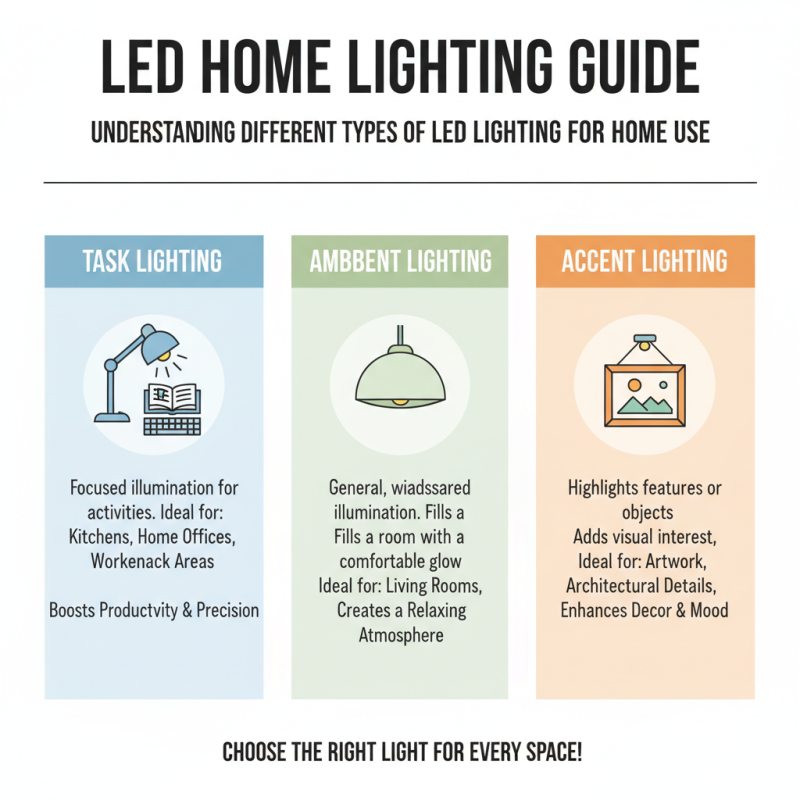
Understanding Different Types of LED Lighting Available for Home Use
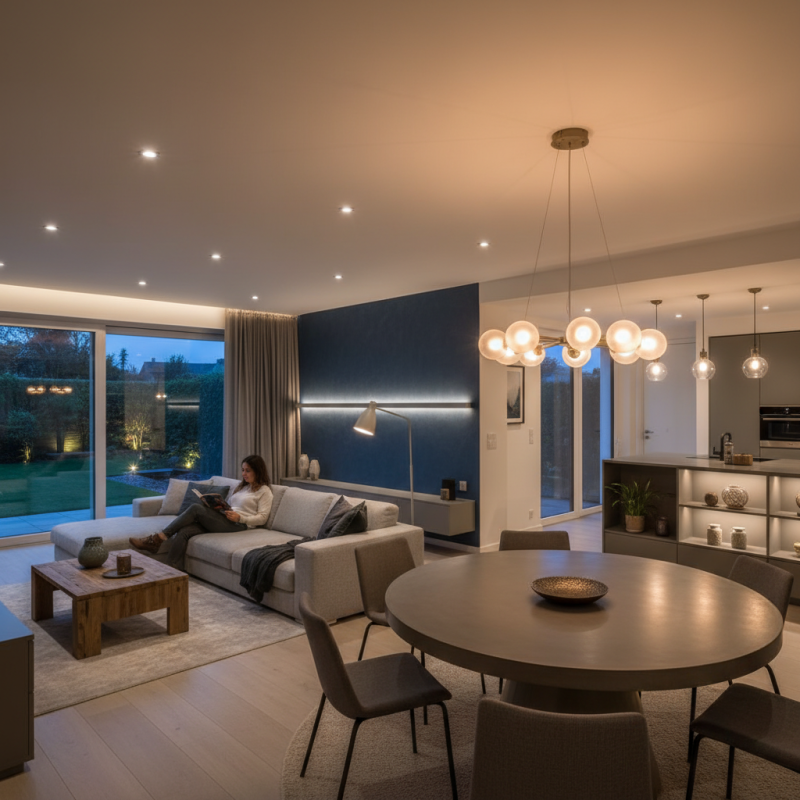
When selecting LED lighting for your home, understanding the various types available is crucial. Different spaces require different kinds of illumination. Consider task lighting, which is perfect for areas like kitchens or home offices. This type focuses on helping you complete activities more effectively. A well-lit workspace can significantly increase productivity.
Accent lighting adds flair to your decor. It highlights artwork or architectural features. Picture a painting on the wall, illuminated by a soft LED spotlight. This creates a compelling focal point in any room. It’s important to consider the brightness and color temperature to set the right mood.
Don’t overlook ambient lighting. It fills your room with soft, overall light. Balance is key. Too much intensity can feel harsh. On the other hand, too little can lead to an uninviting space. Remember, everyone’s needs are different. You might need to experiment with different types to find what works best for you. Investing time in understanding these options can enhance your home’s atmosphere.
Evaluating Brightness Levels and Color Temperatures for Your Space
Choosing LED lighting for your home can enhance your environment significantly. Brightness levels are a key factor. Measured in lumens, higher numbers mean brighter light. For cozy settings, aim for 300 to 400 lumens. A living room may need more, about 800 lumens, to create warmth and energy.
Color temperature is another crucial element. Measured in Kelvins, it defines the light’s tone. Ranging from cool to warm, it influences mood. Soft white (2700K) is great for relaxation, while daylight (5000K) boosts concentration. Balance is vital. Too cool a light can feel harsh. Too warm may make tasks difficult.
Consider room function when choosing. Kitchens often benefit from brighter, cooler light. Bedrooms require warm tones for comfort. Experiment with different options. Observe how they change the space. Reflect on what works best for your needs. The goal is to create an inviting atmosphere tailored to you.
10 Essential Tips for Choosing LED Lighting Solutions for Your Home - Evaluating Brightness Levels and Color Temperatures for Your Space
| Tip No. |
Tip |
Brightness Level (Lumens) |
Color Temperature (Kelvin) |
Best Usage |
| 1 |
Choose the Right Lumens |
800 |
2700K |
Living Room |
| 2 |
Consider Dimming Options |
1600 |
3000K |
Dining Area |
| 3 |
Select Color for Mood |
600 |
5000K |
Home Office |
| 4 |
Think About Layered Lighting |
320 |
4000K |
Kitchen |
| 5 |
Pay Attention to Color Rendering Index (CRI) |
1000 |
3000K |
Bathroom |
| 6 |
Consider Energy Efficiency |
1200 |
3500K |
Hallways |
| 7 |
Choose Fixtures that Match Style |
900 |
2700K |
Bedrooms |
| 8 |
Test Lighting Before Purchase |
400 |
4100K |
Workspaces |
| 9 |
Research Lifespan and Warranty |
1500 |
3000K |
Living Areas |
| 10 |
Plan for Future Technology |
1100 |
5000K |
Outdoor Spaces |
Considering Energy Efficiency Ratings and Lifespan of LED Bulbs
When selecting LED lighting for your home, energy efficiency must be a priority.
LED bulbs typically consume less power and last longer than traditional bulbs.
Look for bulbs with ENERGY STAR ratings. This label ensures the product meets strict energy efficiency guidelines.
Consider the lifespan of LEDs, which can exceed 25,000 hours. This longevity translates to fewer replacements and reduced waste.
However, not all LED bulbs are created equal. Check customer reviews to gauge reliability and performance.
Some bulbs might flicker or dim over time, not meeting expectations.
Keep in mind your lighting needs. Brightness, color temperature, and design all matter.
Think about the ambiance you want to create in each room.
Do you want warm light for cozy evenings or cool light for a more vibrant workspace?
Taking time to evaluate these factors can lead to a more satisfying choice.
Assessing the Compatibility with Existing Fixtures and Dimmers
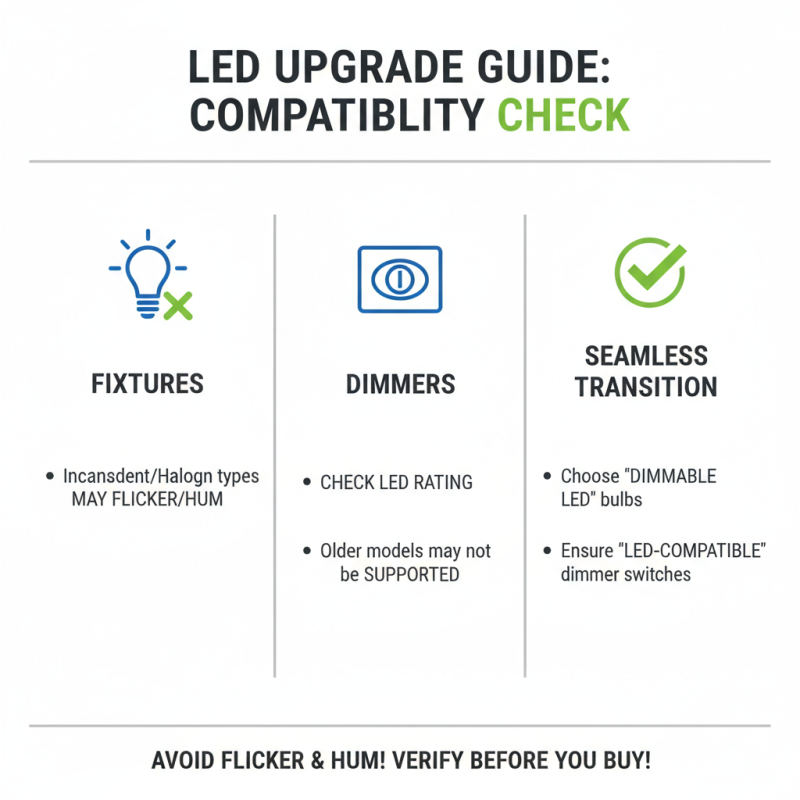
When considering LED lighting for your home, compatibility with existing fixtures and dimmers is crucial. Not all LEDs work seamlessly with current setups. Many incandescent or halogen fixtures may flicker or hum when paired with LED bulbs. It’s essential to check whether your dimmers are rated for LEDs. Some older models may not support them at all, leading to continuous frustration.
Testing different LED options can yield varying results. You may discover that certain bulbs create a warm ambiance, while others emit a cold, harsh light. Observe how each bulb interacts with your dimmer settings. Take note of any compatibility issues. Lighting should create comfort, not annoyance.
Rethink your choices if you keep experiencing problems. Solutions may include replacing incompatible dimmers with modern LED-compatible versions. Consulting with a lighting professional might also offer new insights. Their expertise can shed light on potential pitfalls. This approach helps avoid wasting both time and money.
Exploring Design Aesthetics and Style Options in LED Lighting Solutions
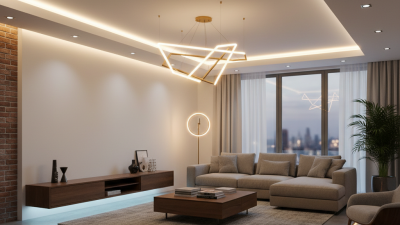
When selecting LED lighting for your home, design aesthetics and style options are crucial. The vast array of colors and shapes available can dramatically influence your space. A report by the U.S. Department of Energy indicates that LED options have expanded, allowing homeowners to explore unique designs. This versatility helps to complement various interior styles, from minimalist to classic.
Consider the temperature of the light. Warm white tones contribute to cozy, inviting spaces. In contrast, cooler shades can modernize a room. A survey by the American Lighting Association found that 71% of respondents prioritize light quality in their designs. Lighting can create mood and ambiance, which is often overlooked in initial planning.
Moreover, think about the environmental impact. LEDs consume significantly less energy compared to traditional bulbs, aligning with sustainable living practices. Yet, many homeowners still choose aesthetics over efficiency. Balancing these two can be challenging. Take time to reflect on which elements truly enhance your home's character, rather than making hasty decisions. Design is not only about appearance; it's about feeling at home.