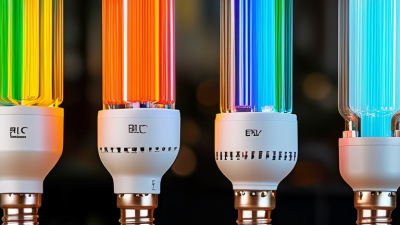
Finding a reliable led lighting supply partner requires more than comparing prices on a product page. A bright sample may hide unstable drivers, weak thermal management, or inconsistent color. On a warehouse floor, these problems appear as flickering fixtures, dark corners, and repeated returns.
Dr. Nadarajah Narendran, a leading solid-state lighting researcher, has said, “LEDs are not just light sources; they are systems.” That principle matters when evaluating every supplier. Check the LED package, driver brand, heat-sink design, photometric files, and testing records. Ask for LM-80 and TM-21 evidence when long-term lumen maintenance matters. Review certifications that match your market, such as UL, CE, or relevant IEC requirements. Do not accept unclear laboratory reports.
Reliable suppliers also explain their production process. They should identify component origins, control batch consistency, and provide a practical warranty. Request samples from different production batches. Measure color temperature, power consumption, flicker, and actual output. A factory video is useful, but an independent inspection is stronger. Speak with installers who have used the products for several seasons.
The process is not perfect. Even experienced buyers can trust attractive samples too quickly. I once underestimated the importance of driver compatibility, and the installation later needed extra testing. That mistake changed my checklist. A dependable led lighting supply partner welcomes difficult questions, documents limitations, and responds clearly after delivery. Look for evidence, not confident promises. Reliability is demonstrated over time.

Reliable sourcing starts with precise project requirements. Record room dimensions, mounting height, target illuminance, color temperature, CRI, beam angle, and operating hours. Include voltage, dimming controls, ambient temperature, humidity, and IP protection needs. These details prevent attractive but unsuitable quotations.
The U.S. Department of Energy reports that LED products use at least 75% less energy and can last up to 25 times longer than incandescent lighting. The International Energy Agency also identifies lighting efficiency as an important energy-saving opportunity. Request LM-79 photometric reports, LM-80 lifetime data, thermal test results, and product safety documentation. A real project needs evidence, not confident promises.
Tips: Create a one-page specification sheet. Add drawings, load schedules, and sample mounting photos. Ask suppliers to confirm every requirement in writing. Compare delivered lumens, not only wattage. Check warranty conditions, replacement procedures, and spare-part availability. A low price may hide weaker drivers or difficult maintenance.
Evaluate suppliers through samples and controlled testing. Measure light output, color consistency, flicker, heat, and dimming behavior before mass ordering. Ask for independent laboratory reports and traceable test dates. I have seen specifications overlook ceiling color and dust exposure. That mistake can change perceived brightness. Requirements also evolve, so review them with installers and facility operators before approval.

Finding a reliable LED lighting supplier starts with practical expertise, not polished sales language. Ask how long the team has handled similar projects and which environments they understand. Warehouses, hospitals, and outdoor roads require different thermal and optical solutions. Request clear answers about heat management, driver compatibility, beam angles, and expected operating hours. Vague replies deserve caution. Real knowledge shows in technical details.
Product quality should be checked with samples, test reports, and production records. Measure brightness, color consistency, flicker, power consumption, and surface temperature. Review photometric files before approving a large order. Ask whether the supplier can provide LM-80 or TM-21 data when long-term lumen maintenance matters. Inspect solder joints, cable seals, housing materials, and packaging. Small defects often become expensive failures. I have learned that one attractive sample proves very little.
Certifications add authority, but they are not automatic proof of reliability. Check whether documents cover the exact model, factory, and intended market. Confirm the certificate number with the issuing organization when possible. Quality systems such as ISO 9001 may support consistent production, while product marks and electrical safety reports address different risks. Also examine warranty terms, batch traceability, replacement procedures, and inspection access. A certificate can be outdated. Independent testing is stronger than a copied PDF. I would still leave room for doubt and test a pilot batch before committing to regular supply.
Reliable LED lighting supply depends on more than finding the lowest quote. During supplier evaluations, compare identical specifications, including wattage, color temperature, beam angle, housing material, and control method. A cheaper unit may use weaker components or exclude essential accessories. Request a detailed quotation with unit pricing, tooling fees, packaging costs, and shipping terms. Hidden charges often change the real purchase price.
Minimum order quantities deserve close attention. A supplier may offer an attractive price at 5,000 units but require only 500 units for a higher rate. Calculate the cost of storage, cash flow, and unsold inventory. Ask whether mixed models or colors can count toward one order. This small detail can protect a growing project. I have seen buyers focus too heavily on unit price and overlook warehouse costs. That decision is easy to regret.
Lead time should be confirmed in writing. Separate production time from approval, testing, and transportation. Ask for a sample schedule, progress updates, and a clear response plan for delays. Customization also needs practical boundaries. Confirm logo placement, housing color, cable length, dimming settings, packaging, and available documents before paying for tooling. Request a physical sample when appearance matters. Digital drawings can hide uncomfortable details. A dependable supplier explains limitations instead of promising everything. Evaluate response speed, technical answers, sample quality, and correction handling together. These details reveal reliability better than a polished sales presentation.
A reliable LED supplier should prove performance before discussing price. Request production samples, not only showroom units. Install them in the intended environment for several days. Check brightness, color consistency, flicker, heat, wiring, and driver noise. A sample can pass beautifully while production quality slips. That uncomfortable possibility deserves attention.
Ask for independent testing reports, including LM-79 photometric data, LM-80 LED lifetime testing, and TM-21 projections. Verify the laboratory, test date, product model, and electrical conditions. The United Nations Environment Programme reports that efficient lighting can use up to 80% less energy than traditional incandescent lighting. However, claimed savings depend on real output and operating hours. Numbers without test conditions are decoration.
Warranty terms should state coverage years, lumen maintenance, failure definitions, exclusions, and replacement procedures. A five-year promise means little without accessible service. Request response times, spare-driver availability, troubleshooting records, and a clear process for defective batches. The International Energy Agency has reported that lighting represents roughly 15% of global electricity consumption, so repeated failures create measurable operating waste. Keep installation photos and batch codes. Small records matter. A supplier that investigates failures openly is more trustworthy than one offering the longest warranty.
How to Find Reliable LED Lighting Supply?
Reliable LED supply begins with communication, not a polished catalog. Ask how quickly the supplier answers technical questions and records design changes. A dependable contact should explain lumen output, color temperature, driver compatibility, and expected service life in clear language. Request current test reports and sample photos. Then compare the samples with the written specifications. Small differences matter.
Test the working relationship before placing a large order. Send a detailed purchase schedule and ask for a production timeline, packaging plan, and inspection process. The response should identify real checkpoints, not vague promises. Confirm carton dimensions, pallet protection, shipping documents, and responsibility for damaged goods. Logistics failures often begin with one missing measurement. Leave room for delays.
Long-term reliability requires evidence of stable capacity. Ask whether critical components have approved alternatives and how substitutions are communicated. Review warranty terms, spare-part access, and the supplier’s process for handling defective batches. A rolling forecast can help both sides plan materials, but it should not replace written commitments. I have seen buyers focus too heavily on unit price and overlook inconsistent color matching between batches. That mistake is expensive. A supplier may perform well during one urgent order, yet struggle six months later. Check references, production records, and follow-up discipline before trusting future volume.
| Evaluation Area | Data Dimension | Recommended Benchmark | Assessment Evidence | Risk Signal | Weight | Score Guide |
|---|---|---|---|---|---|---|
| Communication | Initial response time | Reply to technical or commercial inquiries within 1 business day. | Timestamped email records, quotation history, and response-time logs from the previous 3 months. | Repeated delays exceeding 2 business days. | 8% | 5 ≤ 1 day 3 2 days 1 > 2 days |
| Communication | Technical documentation quality | Complete datasheets include lumen output, wattage, CCT, CRI, beam angle, IP rating, lifetime, and testing conditions. | Product datasheets, photometric files, test reports, installation instructions, and revision-control records. | Missing test conditions, inconsistent specifications, or unverifiable files. | 10% | 5 Complete 3 Minor gaps 1 Major gaps |
| Communication | Change-notification discipline | Notify buyers before changes to LEDs, drivers, housings, optics, firmware, or manufacturing location. | Engineering-change notices, revision histories, approval procedures, and sample requalification records. | Component substitutions made without written approval. | 8% | 5 Formal process 3 Informal process 1 No process |
| Logistics | Quoted lead-time accuracy | At least 90% of standard orders ship within the confirmed lead-time window. | Purchase orders, promised dates, actual shipment dates, and monthly on-time-delivery reports. | Frequent date changes after order confirmation. | 12% | 5 ≥ 95% 3 90–94% 1 < 90% |
| Logistics | Order fulfillment consistency | Deliver the correct quantity, model, finish, accessories, and packaging configuration on every shipment. | Receiving inspection records, packing lists, discrepancy reports, and corrective-action responses. | Repeated shortages, mixed specifications, or incorrect labeling. | 10% | 5 ≥ 99% accuracy 3 97–98.9% 1 < 97% |
| Logistics | Packaging and transit protection | Use protective packaging suitable for long-distance transport, stacking, moisture, and handling impact. | Packaging specifications, drop-test results, photographs, damage claims, and inspection at delivery. | Frequent cracked lenses, bent housings, or water-damaged cartons. | 7% | 5 Damage ≤ 0.5% 3 0.6–1.5% 1 > 1.5% |
| Long-Term Reliability | Product quality stability | Maintain consistent electrical, optical, and mechanical performance across production batches. | Batch inspection results, aging tests, incoming-quality data, failure analysis, and corrective-action reports. | Visible variation in color, brightness, flicker, or driver behavior between batches. | 15% | 5 Stable trend 3 Occasional variation 1 Repeated variation |
| Long-Term Reliability | Warranty and failure-response capability | Acknowledge claims within 2 business days and provide a corrective action or replacement plan within 10 business days. | Warranty terms, claim records, failure-analysis reports, replacement history, and service-level commitments. | Warranty exclusions are unclear or claims remain unresolved for extended periods. | 12% | 5 Meets both targets 3 Partial compliance 1 No defined process |
| Long-Term Reliability | Component and tooling continuity | Maintain critical component availability and provide advance notice of end-of-life risks. | Approved-component lists, inventory plans, alternate-source approvals, tooling ownership records, and continuity plans. | Single-source dependency without an approved alternative or transition plan. | 10% | 5 Documented plan 3 Partial plan 1 No plan |
| Long-Term Reliability | Capacity and scalability | Support forecasted volume with documented monthly capacity, safety stock, and peak-season planning. | Capacity statements, production schedules, inventory policies, staffing plans, and previous peak-period performance. | Capacity depends on unconfirmed subcontracting or unusually long allocation periods. | 8% | 5 Capacity verified 3 Some constraints 1 Capacity unclear |