What is a LED Channel and How to Choose the Right One?
In recent years, the popularity of LED lighting has soared, bringing with it an array of options. One crucial component in this lighting trend is the LED channel. These channels play a significant role in housing and protecting LED strips, enhancing both functionality and aesthetics. Choosing the right LED channel can often be overwhelming.
Making a choice requires understanding various factors. These include channel size, material, and design. Each consideration directly impacts the overall lighting effect and installation process. It’s essential to explore these details carefully. An inappropriate selection can lead to light diffusion issues or an unattractive setup. You might even regret a rushed decision later.
When selecting an LED channel, don’t overlook practical aspects. Evaluate your space and lighting needs thoroughly. Consider how the channel will fit into your décor. Each environment presents unique challenges. Reflecting on these points will help ensure your choice aligns perfectly with your vision.
Understanding LED Channels: Definition and Purpose
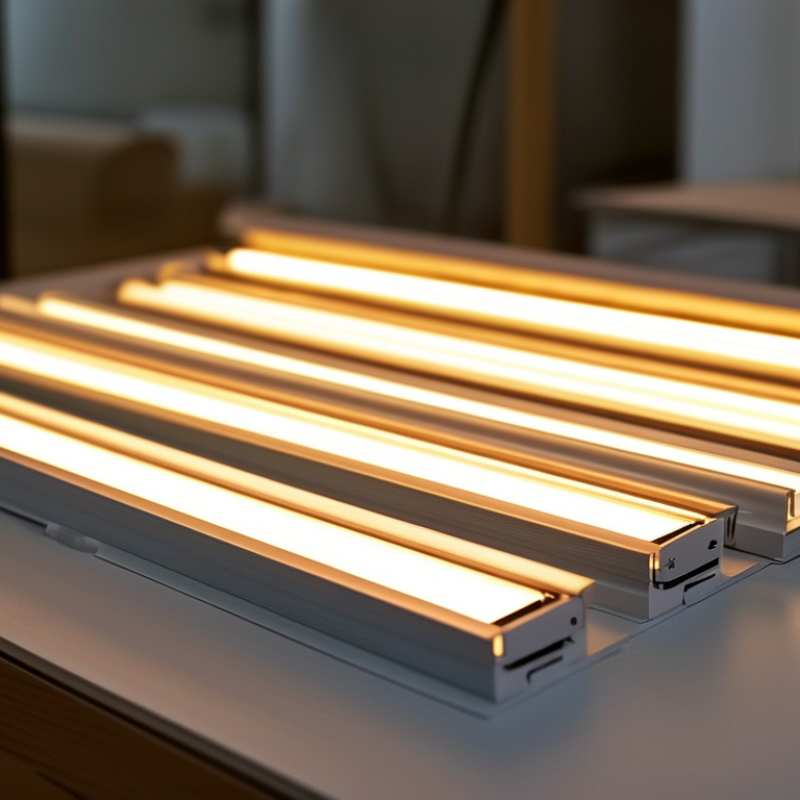
LED channels are essential for optimizing LED lighting. They serve several purposes, including providing a sleek mounting solution and enhancing the diffusion of light. Understanding LED channels helps in creating a professional and aesthetically pleasing lighting design. These channels are typically made of aluminum, providing durability while aiding in heat dissipation.
When choosing the right LED channel, consider the application. Whether for residential or commercial spaces, the channel size and shape play critical roles. Measure the area where you will install the channel. Ensure the channel fits seamlessly within the space to achieve the best results.
Choose the channel length wisely. Longer channels can give a continuous light effect, while shorter ones might create spots. A uniform light distribution often leads to better visual comfort. Experimenting with different placements can yield unexpected results, revealing hidden potential in your space. Remember, not every channel will suit every situation. Flexibility in approach can lead to improved outcomes.
Key Factors in Selecting the Right LED Channel
When selecting an LED channel, consider essential factors that impact performance and aesthetics. One key aspect is the size of the channel. Measure your installation space accurately to ensure the channel fits perfectly. A too-small channel may inhibit light diffusion, while an oversized one can look unbalanced.
Another crucial factor is the type of LED strip you plan to use. Different strips have various brightness levels and color temperatures. For instance, a warm white LED will create a cozy atmosphere, while a cool white option offers a modern appeal. Ensure the channel can accommodate the specific strip width.
Installation ease also matters. Some channels come with built-in mounting hardware, making setup simpler. Others require additional tools and materials. A more complex installation may lead to mistakes or delays.
Consider heat dissipation as well. LED strips produce heat. Adequate airflow around the channel can extend the lifespan of your LEDs. If the channel is enclosed, ensure there are vents to help with cooling.
For effective lighting design, use multiple channels strategically. This approach can create layers of light. Place them at different angles to enhance the visual impact. Avoid placing channels in direct sunlight, as it can cause fading over time. Maintaining these factors will help you to make an informed decision.
LED Channel Selection Factors
Industry Standards and Efficiency Metrics for LED Channels
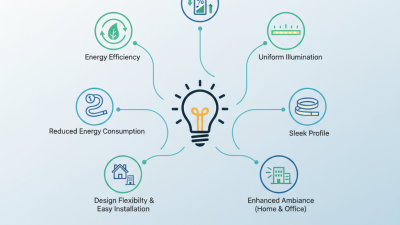
LED channels are an essential part of modern lighting design. Their efficiency is measured through various industry standards. Understanding these standards helps in making informed choices. Factors like lumen output, color temperature, and energy consumption play a vital role in efficiency metrics.
When selecting LED channels, consider the lumen output. It indicates how much light a channel produces. Don't overlook color temperature either. It affects the ambiance of your space. Choosing the right color temperature can enhance the overall aesthetic.
Proper installation is crucial for efficiency. If installed incorrectly, the potential of the LED channel diminishes. Always consult professionals if you’re unsure. Regular maintenance is also key. Clean the channels periodically to ensure optimal performance. Remember, even high-quality products require care to maintain their efficiency.
Comparative Analysis of Different LED Channel Types
When it comes to choosing the right LED channel, understanding the various types available is crucial. LED channels, or profiles, come in several forms, each serving different needs. Some are designed for surface mounting, while others are made for recessed installations. Surface-mounted options are easy to install, making them ideal for DIY projects. Recessed channels provide a sleek look but require more effort during installation.
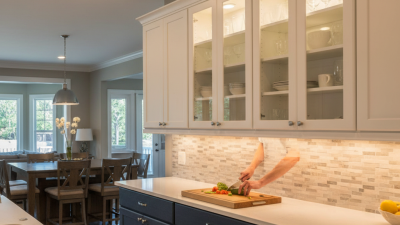
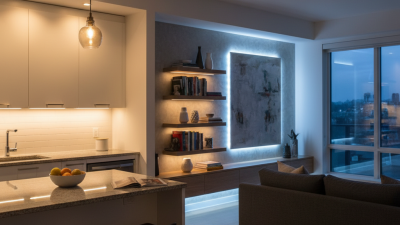
Comparing LED channel types reveals distinct characteristics. Some channels allow for better heat dissipation, which can prolong the lifespan of the LEDs. Others come with diffusers that soften the light output, reducing harsh glares. You might want to consider your space's aesthetics, too. A channel that blends seamlessly with your decor can make a big difference in overall ambiance.
One common oversight is selecting a channel based solely on price; this can lead to dissatisfaction. It’s essential to weigh the features against your specific needs. Each type has its strengths and weaknesses. Reflecting on how each channel fits into your design can help avoid buyer's regret. Choosing the right LED channel is not just about function; it’s about enhancing your environment thoughtfully.
Best Practices for Installation and Maintenance of LED Channels
When choosing LED channels, proper installation and maintenance are crucial for performance. It’s estimated that poor installation can reduce the lifespan of LED products by up to 30%. A key factor is ensuring that the channels are correctly sealed against moisture. This is significant, as humidity can lead to electrical failures and dimming of the lights. Additionally, keeping the installation area clean can prevent dust accumulation, which may obscure the light output.
Regular maintenance is essential. Scheduled inspections might reveal issues like loose connections or corrosion that can degrade functionality. Studies indicate that maintaining LED systems can enhance efficiency by 15-20%. Regularly checking for dirt on the bulbs and channels keeps lighting bright and efficient. Cleaning should be done gently, using soft, lint-free cloths to avoid damage.
For installation, it is recommended to avoid overloading circuits. Overloading can lead to overheating, increasing failure risks. Close attention to electrical ratings is essential. Always consult the guidelines for maximum wattage.
Don’t overlook ventilation. Adequate airflow around LED channels prevents heat build-up. Too much heat can shorten the lifespan. Conducting periodic checks on both the LED fixtures and their channels ensures they operate at optimal efficiency. With careful planning and execution, LED channels can provide significant aesthetic and functional benefits.
What is a LED Channel and How to Choose the Right One? - Best Practices for Installation and Maintenance of LED Channels
| LED Channel Type |
Material |
Length (mm) |
Width (mm) |
Power Rating (W/m) |
Common Applications |
| Linear Channel |
Aluminum |
1000 |
20 |
24 |
Indoor Lighting |
| Corner Channel |
Plastic |
800 |
25 |
18 |
Decorative Lighting |
| Recessed Channel |
Aluminum |
1200 |
30 |
30 |
Ceiling Lights |
| Surface Mount Channel |
Aluminum |
1500 |
35 |
36 |
Task Lighting |
| Waterproof Channel |
Plastic |
2000 |
40 |
20 |
Outdoor Lighting |