What is LED Lighting Supply and How Does It Benefit You?
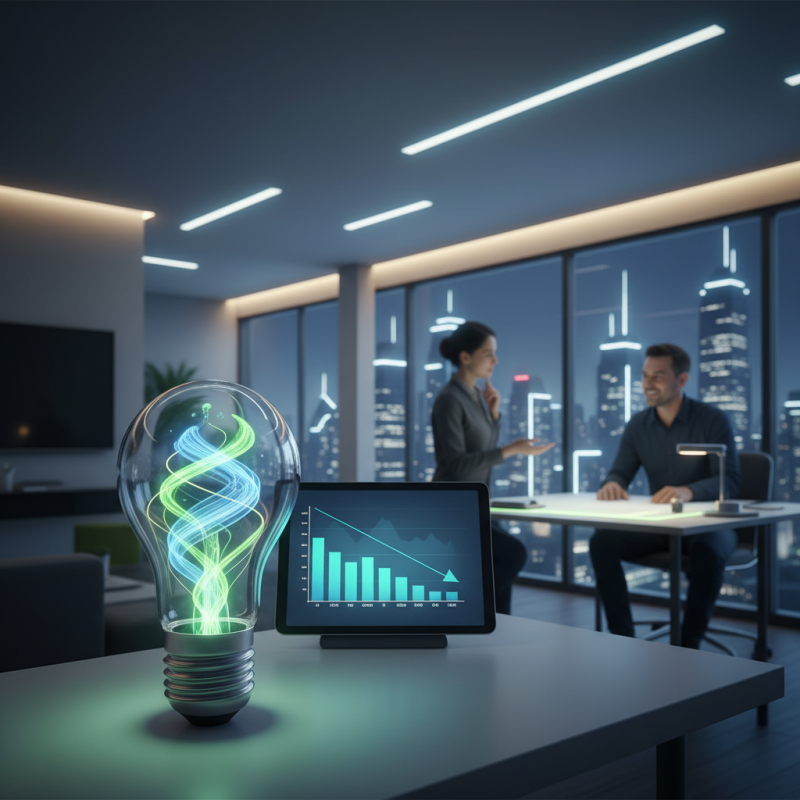
LED lighting supply is reshaping the way we illuminate our spaces. According to a report by the U.S. Department of Energy, LED lighting could reduce energy consumption by up to 75% compared to traditional lighting. This significant reduction in energy use results in lower utility costs and a smaller carbon footprint.
Experts in the field, such as Mark Peters, an LED lighting specialist, note, “LED lighting supply not only enhances visibility but also promotes sustainability.” His insights highlight how adopting LED technology can lead to both practical and environmental benefits.
However, transitioning to LED is not without its challenges. Some consumers may hesitate due to initial costs or lack of understanding. As we explore the details of LED lighting supply, addressing these concerns will be vital for widespread acceptance and implementation. It's important to consider both the advantages and the obstacles in this evolving field.
Overview of LED Lighting Supply Types and Options
LED lighting supply comes in various types and options. This diversity allows users to select specific products that meet their needs. Key types include LED bulbs, strips, and panels. Each type has its unique characteristics, allowing for versatile applications in homes and businesses.
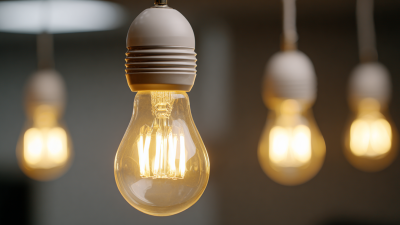
LED bulbs are widely used for basic lighting. They are energy-efficient and have a long lifespan. LED strips provide flexibility and can be used for decorative purposes. They can be cut to size and applied in various settings, enhancing ambiance. Panels are great for providing uniform lighting in large spaces. Their sleek design suits modern aesthetics.
When selecting LED lighting options, consider factors like brightness and color temperature. Brightness is measured in lumens. Choose cooler tones for task lighting and warmer ones for relaxation. However, the wide range of options can sometimes feel overwhelming. It's easy to make the wrong choice, as preferences vary greatly. Exploring different options helps ensure the right fit for specific applications.
Key Advantages of LED Lighting for Home and Business Use
LED lighting has transformed the way we illuminate our homes and businesses. One key advantage of LED technology is energy efficiency. LEDs consume significantly less power than traditional bulbs. This reduction in energy usage translates into lower electricity bills. Over time, the savings can be substantial, especially in large spaces.
Another benefit of LED lighting is longevity. LEDs typically last 25,000 hours or more. This means fewer replacements are needed, which can be a hassle for many. However, it's important to regularly check the lighting conditions. Sometimes, the brightness may not meet specific needs, requiring adjustments.
In addition, LED lights are versatile. They come in various styles and colors, allowing customization. This flexibility can enhance the ambiance of any room. Yet, some people might find the options overwhelming. Choosing the right LED light can take time and reflection. It's essential to consider both aesthetics and functionality.
Environmental Impact of LED Lighting Compared to Traditional Lighting
The environmental impact of LED lighting has garnered attention in recent years. Traditional incandescent bulbs waste a significant amount of energy. In fact, about 90% of energy consumed by incandescent bulbs is emitted as heat. This inefficiency contributes to higher carbon emissions and increased energy costs. LED lighting, on the other hand, uses nearly 80% less energy to produce the same amount of light. This dramatic reduction in energy usage significantly lowers greenhouse gas emissions.
Moreover, LED lights have a longer lifespan than their traditional counterparts. A typical LED bulb can last up to 25,000 hours, while an incandescent bulb might only last 1,000 hours. This longevity means fewer bulbs are produced, leading to reduced waste. A report from the U.S. Department of Energy states that transitioning to LED could save up to 348 terawatt-hours of electricity by 2027, which is equivalent to the annual output of 44 large electric power plants.
Despite these benefits, there are ongoing concerns about the production of LED lights. The materials needed can have environmental repercussions. The mining of metals like gallium and indium, essential for LED production, raises issues related to habitat destruction. This complex balance highlights the need for sustainable practices in manufacturing. It’s a reminder that while LEDs are better, there are still challenges we must address.
What is LED Lighting Supply and How Does It Benefit You? - Environmental Impact of LED Lighting Compared to Traditional Lighting
| Lighting Type |
Lifespan (Hours) |
Energy Consumption (Watts) |
Carbon Emissions (kg CO2 per year) |
Cost (USD per Year) |
| LED |
25,000 - 50,000 |
10 - 15 |
0.8 |
30 |
| Incandescent |
1,000 |
60 - 100 |
4.6 |
120 |
| Fluorescent |
7,000 - 15,000 |
15 - 40 |
2.4 |
80 |
| CFL |
7,000 - 15,000 |
13 - 18 |
2.1 |
70 |
Understanding LED Lighting Supply Costs and Energy Efficiency
LED lighting supply offers significant benefits in terms of costs and energy efficiency. The initial investment may seem high, but LED lights save money over time. These lights consume less energy than traditional options. For example, switching from incandescent bulbs can reduce energy use by nearly 75%.
In addition to cutting energy costs, LED lights last much longer. They can last up to 25,000 hours or more, which means fewer replacements. This longevity reduces waste and can lower maintenance costs. However, not everyone is aware of these benefits. Some people may still choose older technologies, ignoring potential savings.
Another aspect to consider is the initial price of LED fixtures. While they are often pricier upfront, they can lead to lower electricity bills. Over years, the savings can be substantial. It's a trade-off that some may overlook. Reflecting on these factors can help consumers make informed decisions about their lighting choices.