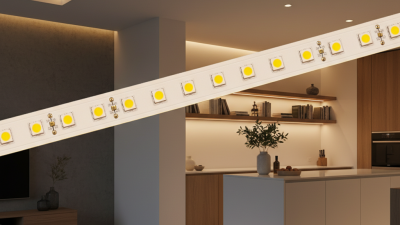
What is LED Tape Light and How to Choose the Right One for Your Home
LED tape light has become an increasingly popular choice for home lighting due to its versatility and ease of installation. These flexible strips of LED lights can be used in a variety of applications, from accentuating architectural features to providing functional lighting in workspaces. As homeowners seek to enhance the ambiance and functionality of their living spaces, understanding the unique characteristics of LED tape light becomes essential.
When choosing the right LED tape light, several factors must be considered, including brightness, color temperature, and adhesive quality. The wide range of options available can often be overwhelming, making it crucial to narrow down choices based on the specific needs of each room or area. Whether illuminating a kitchen countertop or creating a cozy atmosphere in a living room, selecting the appropriate LED tape light can elevate the aesthetic appeal and energy efficiency of any home setting.
In this guide, we will explore the fundamental aspects of LED tape light, as well as practical tips for selecting the perfect lighting solution for your home. By understanding the various types and features of LED tape lights, you can make informed decisions that enhance your space while reflecting your personal style.

What is LED Tape Light: Definition and Key Features
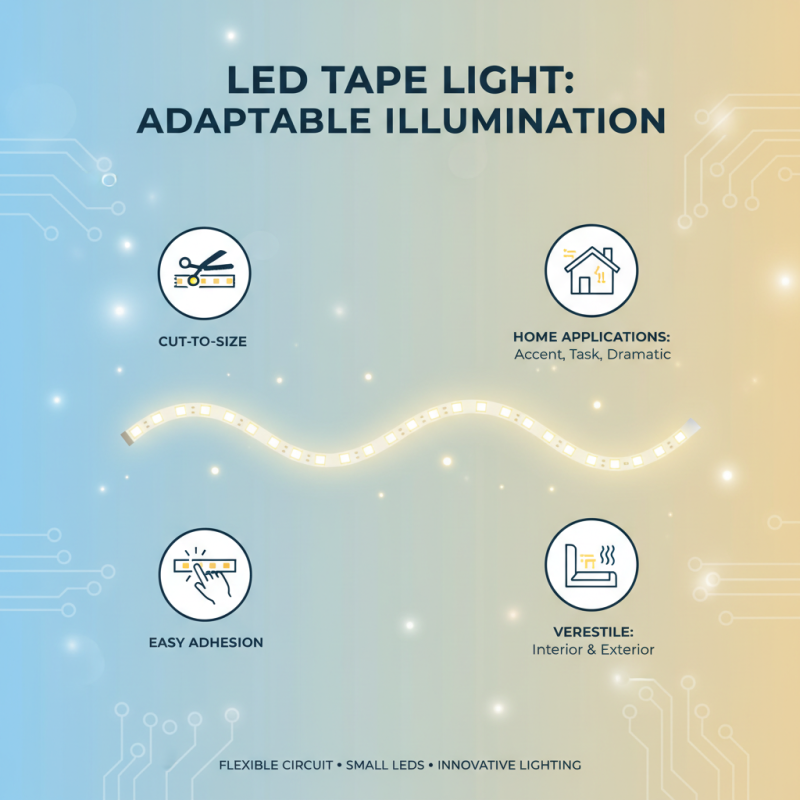
LED tape light, also known as LED strip light, is a flexible circuit board that houses small light-emitting diodes (LEDs). It is an innovative lighting solution that can be cut to size and easily adhered to various surfaces, making it a versatile choice for a wide range of applications in homes. One of the defining features of LED tape light is its adaptability; it can be used for accent lighting, task lighting, or even to create dramatic effects in both interior and exterior spaces.
Key features of LED tape lights include their energy efficiency, offering significant savings on electricity bills compared to traditional incandescent bulbs. They also produce minimal heat, which not only prolongs their lifespan but also reduces the risk of accidental burns or fire hazards. Furthermore, LED tape lights are available in various color temperatures and brightness levels, allowing homeowners to customize their lighting to suit specific moods or tasks. Many strips also come with adhesive backing for easy installation, making them an accessible option for all kinds of DIY lighting projects.
Benefits of Using LED Tape Light in Home Interiors
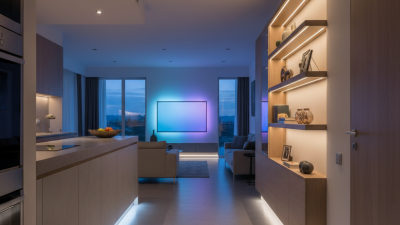
LED tape light, also known as LED strip lighting, has gained popularity as a versatile and efficient lighting solution for home interiors. One of the significant benefits of using LED tape lights is their ability to create ambiance in any room. These lights are available in various colors and brightness levels, allowing homeowners to customize their lighting to suit different moods and occasions. Whether you want a warm, inviting glow for a cozy evening or bright white light for tasks, LED tape lights offer the flexibility to transform the atmosphere of your space.
When choosing LED tape lights, consider their energy efficiency. Unlike traditional incandescent bulbs, LED tape lights consume significantly less energy, making them an eco-friendly choice that can help reduce electricity bills. Additionally, LED technology has a longer lifespan, which means less frequent replacements.
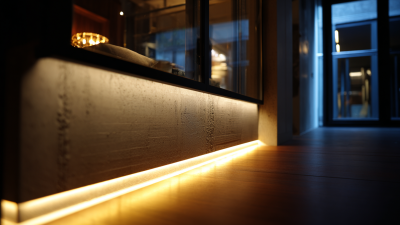
**Tips:** When installing LED tape lights, ensure they are placed in areas where they can enhance the features of a room. Under-cabinet lighting in kitchens, along staircases for safety, or behind furniture for a dramatic effect are all excellent options. Always check the adhesive backing on the tape to ensure it adheres well to the surfaces to prevent peeling over time.
Factors to Consider When Choosing LED Tape Light for Your Space
When choosing LED tape light for your space, there are several key factors to consider that will enhance both functionality and aesthetics. First, assess the brightness level based on the intended use of the tape light. Measured in lumens, higher lumen output is ideal for task lighting, such as under cabinets or in workspaces, while lower lumens might suffice for ambient lighting in living areas. Furthermore, consider the color temperature of the LED lights. Ranging from warm to cool white, the color temperature significantly impacts the mood of a room; warmer tones often create a cozy atmosphere, while cooler tones are suitable for modern or minimalist designs.
Another important aspect is the flexibility of the tape light. Different spaces may require varying degrees of adaptability, and flexible LED tape light can be easily bent around corners or cut to fit specific dimensions. Additionally, look into the adhesive quality of the tape to ensure a secure installation, especially in areas with moisture or heat. Lastly, always check the power source needed for the LED tape light, as options like battery-operated or plug-in can offer distinct advantages depending on your layout and accessibility to outlets. These considerations will ensure that the LED tape light serves both a practical and decorative purpose in your home.
What is LED Tape Light and How to Choose the Right One for Your Home - Factors to Consider When Choosing LED Tape Light for Your Space
| Factor |
Description |
Considerations |
| Brightness |
Measured in lumens, brightness affects how well the tape light illuminates your space. |
Choose brightness based on the area and intended use. |
| Color Temperature |
Color temperature, measured in Kelvin, impacts the ambiance of a room. |
Select warm or cool tones depending on the desired mood. |
| Length |
Length of the tape light impacts how much area can be illuminated. |
Measure areas before purchasing to ensure fit. |
| Adhesive Quality |
The quality of the adhesive on the tape influences installation and longevity. |
Opt for products with strong adhesive for longer-lasting adhesion. |
| Water Resistance |
Rated by IP standards, water resistance determines suitability for wet areas. |
Choose waterproof tape for bathrooms or outdoor spaces. |
| Power Source |
LED tape lights can be powered by various sources like batteries or AC outlets. |
Select a power source based on power availability and installation needs. |
Types of LED Tape Light: Color, Brightness, and Flexibility Options
When selecting LED tape lights for your home, it’s important to consider key factors such as color, brightness, and flexibility. LED tape lights come in a variety of colors, ranging from warm whites to vibrant RGB options. The choice of color can significantly influence the ambiance of a space. Warm white tones create a cozy atmosphere, perfect for living rooms and bedrooms, while cooler white and colored lights are often used in kitchens or entertainment areas to enhance energy and excitement.
Brightness is another crucial factor to assess. Measured in lumens, the brightness level you choose will depend on the function of the space where the tape light will be installed. For instance, workspaces might require brighter illumination for tasks, whereas accent lighting may only need a softer glow. Furthermore, LED tape lights offer different brightness settings, allowing for adjustments to create the perfect mood in any room.
Flexibility is yet another advantage of LED tape lights. They can be easily cut and shaped to fit various spaces, making them ideal for both straight and irregular surfaces. This adaptability enables creative applications, such as under-cabinet lighting, along staircases, or around furniture outlines. When choosing the right LED tape light, evaluating these dimensions—color, brightness, and flexibility—will ensure that you select a product that meets your specific needs and enhances your home environment.
Installation Tips and Best Practices for LED Tape Light Usage
When installing LED tape lights, it's essential to begin with a proper surface preparation to ensure the adhesive backing adheres effectively. Clean the area where the tape will be applied using isopropyl alcohol to remove any dust, grease, or residue. This step not only promotes better adhesion but also extends the lifespan of your LED lighting. When planning the installation, consider measuring the area accurately, allowing for a continuous strip of light without cutting unless necessary. If you do have to cut the tape, make sure to do so at the marked cut points to avoid damaging the circuitry.
For optimal usage, placement is crucial. Install the tape light in areas where it can highlight architectural features, such as under cabinets, along shelving, or in coves. Additionally, remember to provide adequate ventilation for the LED lights, especially in enclosed spaces, to prevent overheating. When it comes to power supply, choose a compatible driver that meets the voltage and amperage requirements for your LED tape, ensuring safe and efficient operation. Lastly, consider integrating a dimmer switch or smart controller for enhanced control over brightness and mood, allowing you to create the perfect ambiance for any occasion.
LED Tape Light Usage in Different Areas of the Home