Top Tips for Choosing Outdoor LED Strip Lights for Your Space?
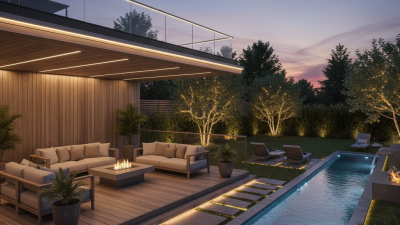
Choosing the right outdoor LED strip lights for your space can transform your environment. These lights provide vibrant colors and ambiance for patios, gardens, and pool areas. However, selecting the perfect option can be overwhelming.
Consider the brightness and color temperature you desire. A well-lit area can enhance outdoor activities. Think about how you plan to use these lights. Are they for functional lighting or to create a mood? It’s also essential to check the weather resistance ratings. Quality outdoor LED strip lights should withstand various weather conditions. Pay attention to the installation process, as this can reduce the hassle.
Additionally, reflect on the energy efficiency of the lights. Some may cost more initially but save you money long-term. Your choice should balance aesthetics with practicality. Don't rush; take your time to evaluate each feature. With careful consideration, your outdoor LED strip lights can become a stunning focal point, enhancing your space beautifully.
Understanding the Benefits of Outdoor LED Strip Lights
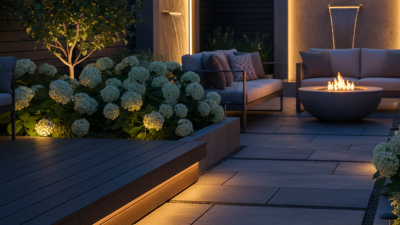
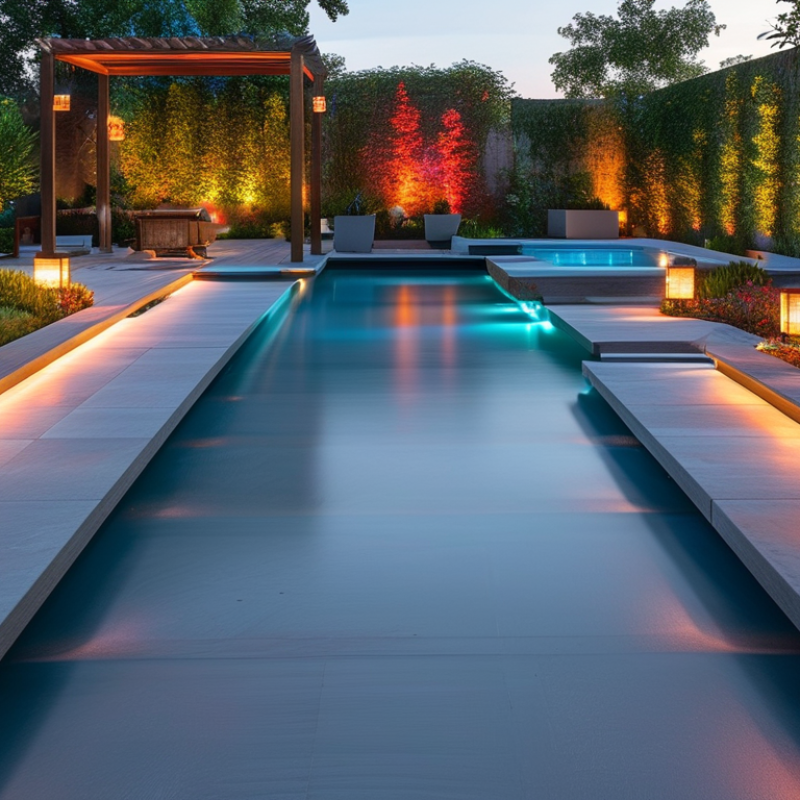
Outdoor LED strip lights offer numerous benefits that enhance your outdoor space. They are energy-efficient, providing ample brightness while consuming less power. This efficiency can lead to lower electricity bills over time. Illumination from these lights creates inviting atmospheres for gatherings and celebrations. Their versatility allows for creative placement along decks, patios, and gardens.
Durability is another hallmark of outdoor LED strip lights. They are designed to withstand various weather conditions, ensuring longevity and reliability. Many options also come with waterproof features, making them ideal for rainy climates. That said, choosing the right type can be tricky. Consider the specific needs of your space. Brightness levels, color options, and installation ease should all play a role in your decision.
However, not all outdoor LED strips are created equal. Some may lack the brightness needed for larger areas. Others might not hold up well in extreme temperatures. Researching product reviews and seeking expert advice can help you make an informed choice. Trial and error often leads to better selections for your unique environment. Reflecting on past choices may also refine your understanding of what works best.
Key Factors to Consider When Choosing LED Strip Lights
When choosing outdoor LED strip lights, several key factors influence your decision. Brightness is crucial. LED lights typically measure brightness in lumens. According to the Lighting Research Center, an outdoor LED should have at least 100 lumens per foot for effective illumination. This ensures safety and visibility in outdoor spaces.
Color temperature is another important aspect. LED lights come in various hues, measured in Kelvin. A warmer tone, around 2700K to 3000K, creates a cozy ambiance, while cooler tones, between 4000K and 6000K, provide a bright, modern feel. The right color temperature can transform your outdoor area, enhancing the overall atmosphere.
Water resistance and durability are vital for outdoor applications. Look for an IP rating of at least IP65, ensuring protection against moisture and dust. This rating indicates that the lights are built to survive outdoor conditions. Poor quality lighting can lead to frequent replacements and increased costs, making reliability a top priority.
Determining the Right Brightness and Color Temperature
When selecting outdoor LED strip lights, the brightness and color temperature play crucial roles. Studies show that 3000K color temperature creates a warm, inviting ambiance. It's perfect for patios and relaxing spaces. In contrast, 5000K offers a cool, daylight-like quality. This is suitable for areas requiring high visibility, like pathways or outdoor kitchens. Choosing the right color temperature enhances usability and overall aesthetics in your outdoor environment.
Brightness is measured in lumens. For atmospheric lighting, 100 to 300 lumens per foot suffices. If you're illuminating functional spaces, aim for 300 to 600 lumens. Yet, too much brightness might disrupt the ambiance. You may end up with glaring lights that deter relaxation. Individuals often underestimate this balance, leading to poorly lit spaces.
Consider dimmable options if possible. Dimming offers flexibility, allowing you to adjust brightness based on the time of day. Different activities require varied lighting levels. According to the Illuminating Engineering Society, thoughtful lighting design maximizes both function and comfort in outdoor areas. Observing how light interacts with your space is vital. Small adjustments can dramatically change the atmosphere and functionality.
Assessing Waterproof Ratings and Environmental Durability
When selecting outdoor LED strip lights, the waterproof rating is crucial. The Ingress Protection (IP) rating determines how well the lights can withstand moisture and dust. An IP65 rating signifies resistance to water jets, making it ideal for outdoor use. Conversely, an IP20 rating is suitable only for indoor applications. Choosing lights with a higher IP rating ensures durability against rain and humidity.
Environmental durability is another key factor. According to a report by the Lighting Research Center, LED lights designed for outdoor use need to resist UV exposure and extreme temperatures. Prolonged exposure to sunlight can fade colors and degrade materials. Ideally, materials should be UV-resistant and designed to handle temperature swings from -30°C to 50°C. This durability can significantly extend the lifespan of your lighting setup.
While many products claim outstanding durability, not all live up to expectations. Investing in lower-quality lights may lead to early failures. It’s essential to verify product claims through independent reviews and reports. Ensuring your outdoor lights are both waterproof and weather-resistant can save you money and hassle in the long run. Be wary of products that do not provide clear ratings or details about durability.
Comparison of Waterproof Ratings for Outdoor LED Strip Lights
This chart illustrates the proportion of various waterproof ratings commonly found in outdoor LED strip lights. IP65 ratings are the most prevalent, while IP68 ratings are less common but offer the highest level of protection against water ingress.
Installation Tips for Outdoor LED Strip Lights
When installing outdoor LED strip lights, preparation is key. Make sure the surface is clean and dry. Dust or moisture can reduce adhesion. According to the Lighting Research Center, proper surface conditions enhance the longevity of your lights. Use a level to ensure the strips are straight. Crooked installations can lead to uneven lighting.
Consider the environment where you’re placing these lights. They should be rated for outdoor use. Look for IP ratings. An IP rating of 65 or higher works well for outdoor applications. This helps prevent moisture and dust from affecting the lights. Even small weather changes can impact performance if you're not careful.
Use connectors for corners or bends. This makes installation smoother and keeps the layout flexible. A common mistake is cutting the strips without knowing the right lengths. Each strip often has designated cutting points. Check the manufacturer’s guide. Planning the layout can prevent unnecessary errors and wasted materials.