Top 10 LED Strips for Ultimate Home Lighting Solutions?
In recent years, LED strips have transformed home lighting solutions. According to the U.S. Department of Energy, LED technology can reduce energy consumption by up to 75%. This impressive efficiency makes LED strips a popular choice for homeowners. They offer versatility in design and functionality, enhancing both aesthetics and practicality.
Despite their benefits, not all LED strips are created equal. Some may provide insufficient brightness or poor color consistency. A 2022 report from market research firm MarketsandMarkets highlights that the demand for customizable LED strips is rising. Consumers want personalization in their lighting. As the market evolves, choosing the right product becomes essential.
Selecting quality LED strips requires careful consideration. Factors like lumens per watt and color temperature play a significant role. While many brands advertise impressive specs, it's important to look for trusted certifications. Consumer reviews can also offer insights. However, misinformation can lead to dissatisfaction. Understanding these elements ensures you make an informed choice in your lighting journey.
Types of LED Strips: A Comprehensive Overview for Home Lighting
When considering the types of LED strips for home lighting, several options stand out.
Flexible LED strips are popular for their versatility. They can bend easily around corners and fit into tight spaces. These strips are ideal for accent lighting in shelves or under cabinets.
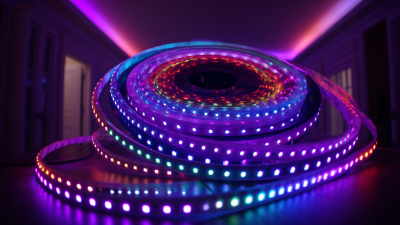
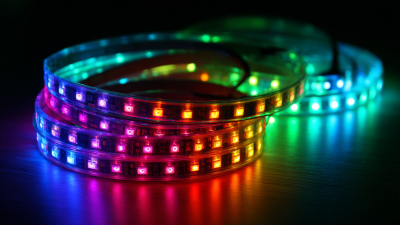
Another option is RGB LED strips. They can change colors and create dynamic lighting effects. These are great for mood lighting in entertainment areas. You can program them to sync with music or events, enhancing the atmosphere.
Tips: Choose strips with a high lumen output for brighter lighting. Also, consider the color temperature. Warmer temperatures offer a cozy feel, while cooler colors make spaces look more modern.
Linear LED strips are another type worth mentioning. They provide even, consistent light along their length. Perfect for illuminating long hallways or workspaces, they offer functional brightness without harsh shadows.
Tips: Always check the adhesive quality before installation. Poor adhesive can lead to strips falling off over time. It’s also crucial to consider power consumption. Efficient LED strips save energy and reduce bills.
Factors to Consider When Choosing LED Strips for Your Home
When selecting LED strips for your home, multiple factors affect the final choice. Understanding these can greatly enhance your lighting experience. One key aspect is brightness. Measured in lumens, a typical LED strip produces about 500 lumens per meter. For ambient lighting, between 1000 to 3000 lumens is often ideal. Too much brightness can create discomfort, while too little may fall short of your needs.
Color temperature is also vital. It impacts the room's mood significantly. Warm white light (2700K-3000K) creates a cozy atmosphere. In contrast, cool white (4000K-5000K) can energize a space. Experts suggest considering the function of each room to guide your choice. For instance, a kitchen may benefit from cooler tones, while a bedroom may shine with warmer shades.
Additionally, flexibility and ease of installation matter. Many users overlook the need for cutting and connecting options. A recent survey indicated that 42% of consumers felt overwhelmed by intricate setups. Choosing strips with simple adhesive backing can mitigate this issue. Finally, check for longevity. Quality LED strips can last up to 25,000 hours, but lower-quality options may disappoint. Informed decisions ensure a satisfying lighting solution.
Top 10 LED Strips for Ultimate Home Lighting Solutions
| LED Strip Type |
Length (ft) |
Color Temperature (K) |
Lumens (per ft) |
Power Consumption (W/ft) |
Waterproof |
Dimmable |
| RGB LED Strip |
16 |
3000 |
300 |
4 |
No |
Yes |
| Cool White LED Strip |
10 |
5000 |
350 |
5 |
No |
Yes |
| Warm White LED Strip |
15 |
3000 |
280 |
5 |
Yes |
Yes |
| RGBW LED Strip |
12 |
4000 |
320 |
6 |
Yes |
Yes |
| Addressable RGB LED Strip |
5 |
3000 |
400 |
3 |
No |
Yes |
| High-Output LED Strip |
20 |
6000 |
500 |
7 |
Yes |
Yes |
| Neon LED Strip |
8 |
5000 |
280 |
4 |
Yes |
No |
| Flexible/waterproof LED Strip |
10 |
4000 |
300 |
4 |
Yes |
Yes |
| Submersible LED Strip |
6 |
6500 |
200 |
3 |
Yes |
No |
Top 10 LED Strips: Features, Benefits, and Ideal Usage
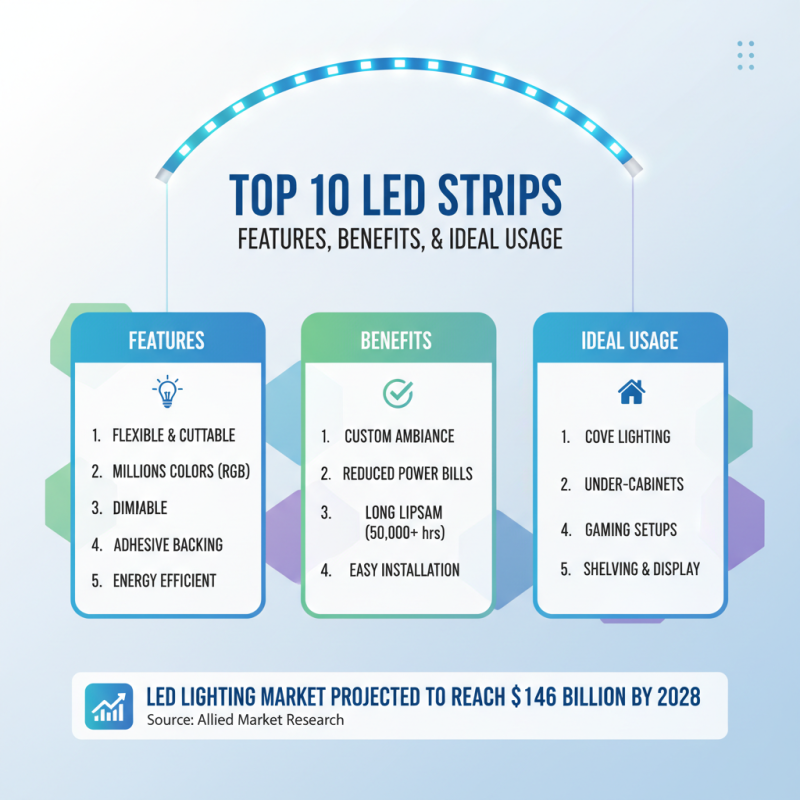
LED strips are revolutionizing home lighting solutions. They offer flexibility, energy efficiency, and a wide array of color options. According to a recent report by Allied Market Research, the LED lighting market is projected to reach $146 billion by 2028, highlighting the growing popularity and demand for LED solutions.
When selecting LED strips, focusing on features is essential. Look for options with adjustable brightness and programmable color settings. These attributes enhance the overall ambiance of any room. Some users, however, may find installation challenging. It requires careful planning to avoid long-term dissatisfaction. A well-lit environment positively impacts mood and productivity, making the right choice critical.
Despite their advantages, LED strips can sometimes be inadequate for larger spaces. Their output may not fully illuminate expansive areas. A study from the U.S. Department of Energy indicates that while LEDs consume up to 75% less energy than incandescent bulbs, the initial investment may deter some buyers. Careful consideration of usage and placement can mitigate these issues, leading to optimal enjoyment of this modern lighting solution.
Installation Tips for a Seamless LED Strip Lighting Experience
When installing LED strip lights, preparation plays a crucial role. A study by the Lighting Research Center indicates that proper positioning can enhance brightness by up to 30%. To achieve this, first measure your installation area accurately. Identify power outlets and ensure you have adequate lengths of LED strips. Creating a clear plan is essential before the actual installation begins.
Adhesive backing is a common feature of LED strips. However, it may not always stick reliably on all surfaces. For textured or uneven surfaces, consider using mounting clips for added security. According to technical reports, LED strips are most effective in ambient lighting situations that do not exceed 500 lux. Installing in darker areas can yield a richer glow. Always be mindful of heat dissipation, especially when running longer strips. Overheating can diminish lifespan and performance, a consideration many overlook.
Lastly, testing your setup before finalizing placement is advisable. Light distribution can appear differently when installed compared to initial specifications. This step can help prevent dissatisfaction with the final outcome. Proper installation techniques determine the efficiency and visual appeal of LED strip lighting in any home.
Creative Ideas for Incorporating LED Strips in Home Decor
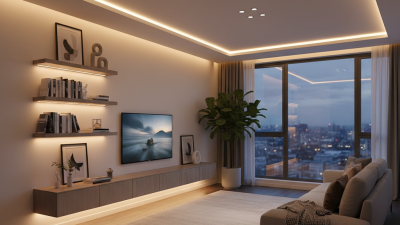
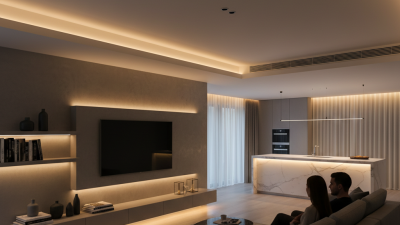
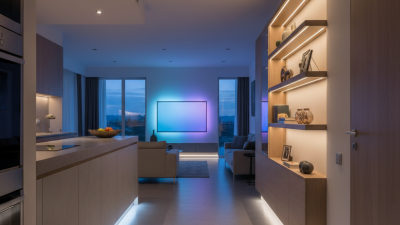
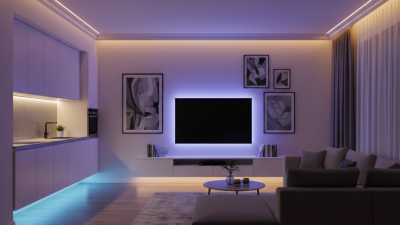
LED strips are versatile tools for home decor. They can transform ordinary spaces into extraordinary ones. For instance, consider outlining a bookshelf. The soft light from the strip can highlight your favorite books. This adds warmth and depth to your living room.
Another creative idea is to use LED strips under kitchen cabinets. This enhances functionality and creates a cozy ambiance. It can be quite inspiring to cook in a well-lit environment. Think about using color-changing strips, too. They allow you to shift the mood based on your meal or gathering. However, placement is crucial. Make sure they are hidden but still effective.
For a unique touch, try framing mirrors with LED strips. This creates an illusion of spaciousness. The light reflects off the glass, making the area feel brighter. It’s a small upgrade that can have a big impact. You might find that different colors evoke different feelings. Experimentation is key here. Remember, not every idea will work perfectly. Reflect on what you enjoy and adjust as needed.