2026 Best RGB LED Strip Lights for Every Need
RGB LED strip lights can turn a plain shelf, desk, or ceiling edge into a vivid focal point. But brightness, color accuracy, and control quality vary widely. The U.S. Department of Energy’s Energy Saver guidance says LEDs use at least 75% less energy and can last up to 25 times longer than incandescent lighting. Those figures offer useful context, though they do not guarantee that every strip performs equally well. Small details matter.
The DOE’s 2023 U.S. Lighting Market Characterization tracks LED adoption across residential and commercial buildings. For shoppers, the practical questions are more specific: Will the strip fit the space? Is its white light comfortable for reading? Can the controller keep colors consistent across a room? A cheap kit may look bright in product photos, then show visible dots beneath a kitchen cabinet. Not ideal.
This guide to the 2026 best RGB LED strip options compares key specifications, including brightness, length, power, control methods, and installation needs. It also considers where each rgb led strip makes sense, from a compact gaming desk to indirect living-room lighting. Smart features can help, but they are not automatically useful. Sometimes a simple remote is easier. No setup fuss. Product claims can be difficult to compare, and ratings do not tell the whole story. Use this guide as a practical starting point, then check current specifications and compatibility before buying.
What RGB LED Strip Lights Are and How They Work
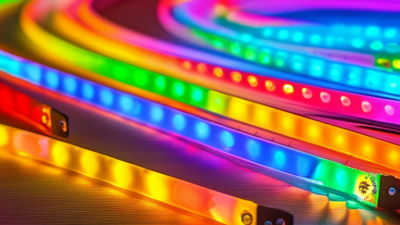
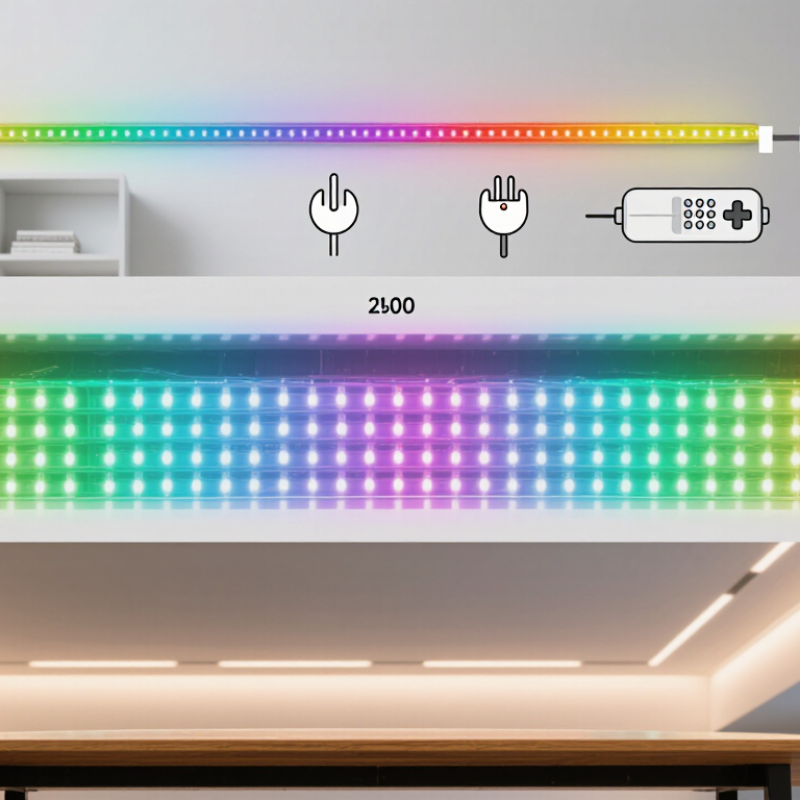
RGB LED strip lights are flexible circuit boards carrying red, green, and blue light-emitting diodes. A controller varies each color channel’s output, often through rapid pulses that appear steady to the eye. Blend red and green, and the strip can produce yellow; lower all three channels together, and the light dims. Simple in theory. In practice, nearby white walls, glossy surfaces, and viewing distance can change how a color looks.
The power supply converts household electricity into low-voltage current for the strip, while the controller sets colors and effects. Many strips are divided into repeating cut sections, so cutting between marked points matters. The U.S. Department of Energy’s Energy Saver guidance says LEDs use at least 75% less energy than incandescent lighting and can last up to 25 times longer. Those figures describe LEDs generally, not every RGB strip or color setting. RGB output may also look less natural for reading than dedicated white light. A small detail worth checking: brightness, color accuracy, and power draw can vary across products, and a spec sheet rarely tells the whole story.
Key Features to Compare in RGB LED Strips in 2026
When comparing RGB LED strips in 2026, look beyond wattage and color effects. Ask for measured brightness in lumens per metre, especially at full white. RGB-only strips mix red, green, and blue to produce white; RGBW models add a dedicated white LED, which can make countertops and book pages look more natural. Check the color rendering index if accurate fabric, food, or paint colors matter. Small detail, big difference.
Power and installation specs deserve equal attention. The U.S. Department of Energy’s Energy Saver guidance says LEDs can use up to 90% less energy and last up to 25 times longer than incandescent lighting. That is a broad LED comparison, not a guarantee for every strip. Compare the strip’s stated watts per metre with the power supply’s capacity, and check its voltage: long low-voltage runs can show dimmer colors near the far end. A higher number on the package does not always mean better room lighting.
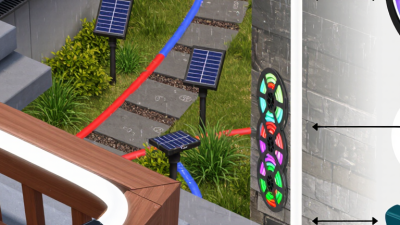
For kitchens or covered outdoor areas, check the IP rating and what the rating actually protects against. IEC 60529 defines these enclosure-protection classifications; a splash-resistant strip is not automatically suitable for prolonged water exposure. Also compare cut intervals, dimming range, and controller compatibility before buying. I would treat advertised color accuracy cautiously unless the seller provides test details. Installation length, surface temperature, and the wall behind the strip can all change the result. A little uncertainty remains.
2026 Best RGB LED Strip Lights for Every Need
Common strip densities include 30, 60, and 144 LEDs per meter; available options vary by model. Higher density can create smoother-looking light, especially in diffused installations, but does not by itself indicate greater brightness. Compare power, brightness, cut spacing, and control type when choosing a strip.
RGB LED Strip Types for Different Rooms and Uses
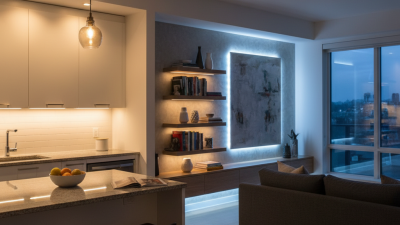
For living rooms, standard RGB strips work well behind televisions, shelves, or coving, where reflected color feels softer than exposed LEDs. Choose a dimmable strip and hide the diodes behind a lip. The effect is calmer. In bedrooms, warm-white-capable RGBW strips offer a useful compromise: muted color for evening accents and cleaner white for reading. Color alone can look attractive but make a book difficult to read.
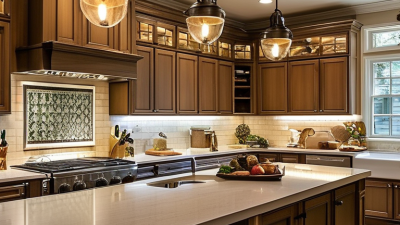
Kitchens need careful selection. RGB strips can add color beneath cabinets, but they are not a reliable substitute for bright, accurate task lighting. A strip with dedicated white LEDs is more practical over a counter. Bathrooms and covered patios call for moisture-rated products suited to the installation area; check the rating, not just the packaging photo. Small detail, big difference.
For gaming desks or media walls, individually addressable strips can create moving effects across sections, while basic RGB models change color across the whole strip at once. More control also means more setup. The U.S. Department of Energy’s LED guidance says LEDs use at least 75% less energy and can last up to 25 times longer than incandescent bulbs. Those figures describe LEDs broadly, not every RGB strip, so compare product specifications. I would not assume colorful means efficient.
How to Choose the Right Strip for Your Space and Budget
Choosing an RGB strip starts with the space, not the color effects. Measure each run, including corners, and check whether the strip can be cut at marked intervals. A desk edge may need a narrow, dimmable strip; a long ceiling cove needs even light and enough power for the full run. Check the adapter’s output and the strip’s stated power draw before buying. A cheap kit can become costly if it needs extra connectors or a replacement power supply.
Tips: Test a short sample first. Check the adhesive on your wall or cabinet, and confirm the controller supports the effects you want. For kitchens or bathrooms, look for a suitable moisture rating. Measure twice.
Budget for the whole setup: strip, controller, power supply, mounting clips, and any extension leads. U.S. Department of Energy Energy Saver guidance says LEDs use at least 75% less energy and last up to 25 times longer than incandescent lighting. That comparison applies to LEDs broadly, not as a guarantee for every RGB strip; color settings, heat, and build quality affect real-world results. Choose a strip with clear power and warranty details. I’d avoid paying extra for effects you may rarely use.
Installation, Controls, and Care for Lasting Performance
A clean installation starts with a dry, dust-free surface. Measure the route before removing the adhesive backing, then test the strip and controller while everything is still accessible. Press the strip gently into place; pulling it tight around corners can damage its copper traces. Follow the marked cutting points only. Keep the power supply ventilated, and check that its rating matches the strip’s requirements. Small details matter.
Choose controls that suit how the room is used. A remote is simple for quick brightness changes, while an app may offer schedules and color adjustments. Pair the controller nearby before mounting it behind furniture or inside a cabinet. Test every section and preset. If colors flicker or sections go dark, inspect connectors and power connections before assuming the strip has failed. It is easy to overlook a loose plug.
For lasting performance, switch off the power before cleaning or adjusting connections. Wipe dust away with a soft, dry cloth; avoid soaking the strip or using abrasive cleaners. Check the product’s stated moisture rating before placing it near a sink or outdoors. Never cover a power supply with fabric. Heat builds quietly. Adhesive may also weaken over time, especially on textured or warm surfaces, so inspect corners occasionally. I would not rely on adhesive alone for a permanent overhead installation; suitable clips can provide extra support.