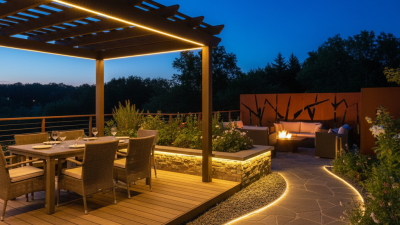
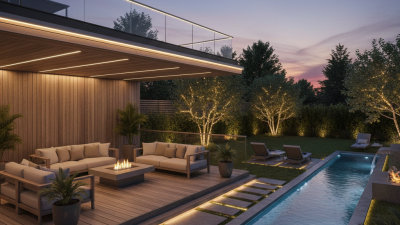
Choosing the best outdoor LED strip lights is not simply a brightness contest. A patio, balcony, pathway, or garden wall needs a different lighting approach. Weather, heat, moisture, mounting surfaces, and viewing distance all change the result.
Randall Whitehead, a respected architectural lighting designer and author, explains, “Lighting is not just about seeing; it’s about feeling.” That principle matters outdoors. A warm-white strip can make a timber deck feel welcoming, while a cooler tone may suit a modern pool area. Brightness alone can create glare, wasted energy, and uncomfortable shadows.
This guide compares the main types of outdoor LED strip lights by practical performance. It considers waterproof protection, IP ratings, voltage options, LED density, color temperature, dimming, and installation needs. Look for sealed silicone housing and dependable connectors. Check whether the product can handle direct rain, condensation, and seasonal temperature changes. A strip rated for damp areas may fail under constant exposure.
Small details matter.
Some lights advertise high lumen output but provide uneven illumination. Others look excellent in photographs and disappoint after installation. I have also seen buyers overlook the power supply, then face flickering or premature failure. That mistake is easy to repeat.
There is no universal winner. The best choice depends on placement, mood, maintenance expectations, and budget. This comparison aims to make those trade-offs clearer, while admitting one uncomfortable truth: even a premium strip can perform poorly when installed without proper drainage, ventilation, or surface preparation.
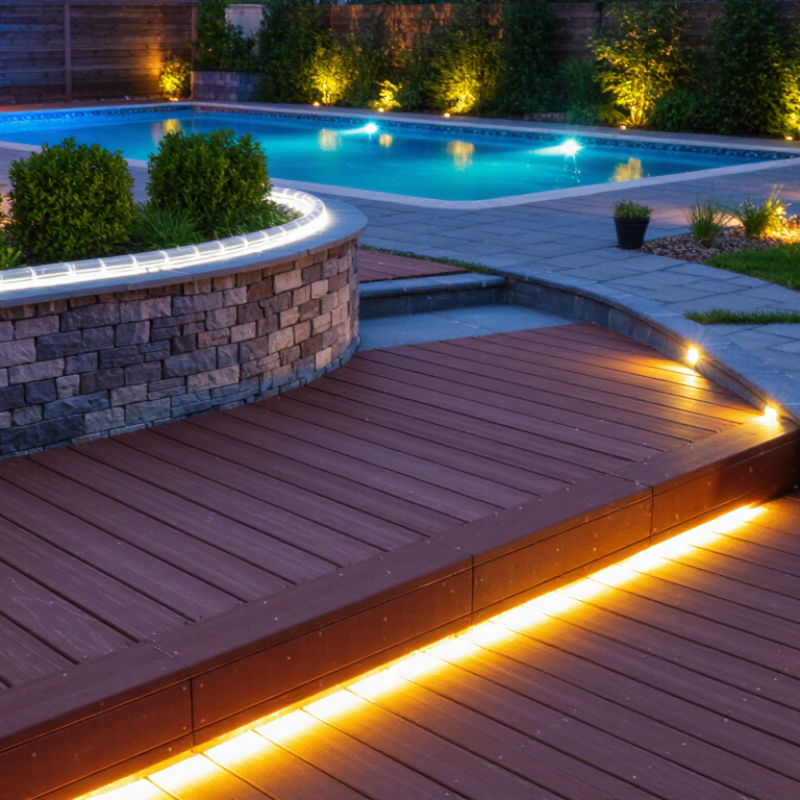
Outdoor LED strip lights should be chosen by weather resistance and installation conditions.
IP65 strips resist dust and low-pressure water from rain or sprinklers. They work well beneath roof edges, covered patios, and balcony rails.
IP67 strips use stronger silicone protection and tolerate temporary water exposure.
IP68 models suit locations with repeated moisture, but check the manufacturer’s immersion limit carefully. The strip may be sealed while its connector is not.
Installation location matters as much as the IP rating. For exposed walls, use aluminum channels with diffusers and stainless-steel clips. Channels protect the strip, improve heat control, and create a cleaner light line.
Adhesive backing alone often fails on dusty brick or damp timber. I have seen well-planned installations sag after one wet season. Surface preparation was the missing step.
Long runs need extra attention. Measure voltage drop before cutting, especially with low-voltage systems. A dim section near the far end usually indicates excessive distance or insufficient power.
Use sealed connectors, outdoor-rated power supplies, and weatherproof junction boxes. Keep cable entry points facing downward when possible.
Follow local electrical requirements and install protection suitable for wet areas.
Some advice sounds simple, yet field conditions are rarely simple. Salt air, freezing temperatures, and trapped water can expose weak seals quickly.

Reliable outdoor LED strip lights are defined by protection, not brightness alone. Choose a strip with a verified IP65 rating for rain exposure, or IP67 when temporary water contact is possible. IP ratings still need careful interpretation. IP67 does not automatically mean permanent underwater use.
Look for UV-resistant silicone, sealed solder joints, and flexible copper conductors. These materials help prevent cracking during hot summers and cold nights. A sturdy strip should also maintain even brightness across longer runs. Voltage drop can make the final section look noticeably dimmer. Use the correct power supply, and avoid connecting more length than the manufacturer allows. Measure twice.
Installation details matter just as much. Use outdoor-rated connectors, protected cable routes, and mounting channels that allow drainage. Do not trap water behind the strip. Before permanent installation, run the lights for several hours and inspect heat, flickering, and color changes. I once trusted adhesive alone under a covered patio; it loosened after repeated humidity. Mechanical clips would have been wiser. Small oversight, expensive repair.
For color options, single-color strips are often dependable for pathways and steps. RGBW models provide warmer white light for patios and entertaining areas. Addressable strips offer animated effects but require more complex controllers and wiring. Select a model with tested electrical documentation, clear temperature limits, and a suitable warranty. Reliable performance comes from matching the strip to its environment, not choosing the most impressive specification.
This practical evaluation model gives the greatest priority to weather sealing and thermal management. For outdoor use, choose at least IP65 protection for water-jet exposure, while IP67 or IP68 is more suitable for areas exposed to temporary or continuous water immersion. Low-voltage 12V or 24V designs, UV-resistant jackets, reliable power supplies, and durable LEDs further improve long-term performance.
What Are the Best Types of Outdoor LED Strip Lights?
Outdoor LED strips are not equally protected. Waterproof strips usually have a sealed silicone coating and an IP65 or higher rating. They handle rain, splashes, and damp patios well. However, an IP rating describes tested conditions, not every installation mistake. Cut ends need matching seals. Exposed connectors can still fail quickly.
Weatherproof strips suit covered decks, garden paths, and exterior walls. They often resist moisture, dust, sunlight, and temperature changes. Their protection may be less complete than fully waterproof designs. Check the product’s temperature range and UV resistance before mounting it beside a hot, bright wall. A strip under an awning may last longer than one in direct afternoon sun.
Marine-grade LED strips face harsher conditions. They are designed for salt spray, vibration, frequent moisture, and sometimes chemical exposure. Look for sealed copper conductors, corrosion-resistant connectors, and clear immersion limits. “Marine-grade” is not always a regulated guarantee. Read the actual test data.
I once trusted a waterproof label without protecting the cable joint. That assumption was wrong. Moisture entered through one small opening, and several sections dimmed within weeks. Careful installation matters as much as the strip itself. Use drainage-friendly mounting channels, avoid sharp bends, and leave a service loop near each connection. For a sheltered balcony, weatherproof lighting may be enough. Near a pool or coastline, marine-grade construction is usually the safer choice.
Outdoor LED strip lights perform best when color, brightness, and power match the space. Warm white, around 2700K–3000K, softens patios, wood decks, and dining areas. Neutral white, near 4000K, reveals steps and cooking surfaces more clearly. Cooler light can feel harsh after sunset. My own early installations used 6000K everywhere, and the result looked more like a security zone than a garden.
Brightness should be measured in lumens per meter, not watts alone. For indirect accent lighting, 300–600 lumens per meter is usually comfortable. Paths, stairs, and work surfaces may need 800 lumens or more per meter. The International Energy Agency’s Energy Efficiency 2023 report states that LEDs represented about half of global lighting sales in 2022. This supports LED efficiency, but it does not make every strip efficient. The U.S. Department of Energy’s 2023 solid-state lighting report identifies 200 lumens per watt as a future performance benchmark, while many flexible strips remain well below it.
Power planning is less glamorous, but it prevents failures. Multiply watts per meter by the installed length, then add at least 20% capacity for the power supply. A 10-meter strip using 12 watts per meter needs 144 watts or more. Longer runs may show voltage drop near the far end. Feed power from both ends when necessary. Select outdoor-rated insulation and verify the IP rating under IEC 60529. IP65 may handle rain, but submerged locations demand stronger protection. Even careful calculations need testing. LED specifications can be optimistic.
What Are the Best Types of Outdoor LED Strip Lights?
Matching the Right Outdoor LED Strip Light to Each Application
Outdoor LED strip lights should match the environment, not just the desired color. For covered patios, an IP65-rated strip can resist water jets and airborne dust. Open decks, pool edges, and exposed façades need stronger protection, usually IP67 or IP68 under IEC 60529 guidance. However, “waterproof” does not solve every problem. Trapped heat, poor connectors, and direct sunlight can shorten service life.
Use high-CRI strips near dining areas, entrances, and outdoor kitchens. A CRI above 90 can make food, wood, and skin tones appear more natural. For pathways, lower brightness often prevents glare. The U.S. Department of Energy’s solid-state lighting research reports show that LED efficacy can exceed 150 lumens per watt in advanced products. That efficiency matters, but installed performance depends on aluminum channels, power supply losses, and ambient temperature.
Color temperature also changes the application. Warm white, around 2700K–3000K, suits seating areas and hospitality spaces. Neutral white, near 4000K, supports task lighting and security visibility. The IEA estimates that lighting consumes about 15% of global electricity, so efficiency remains important. I have found that voltage drop becomes noticeable on long runs. Feed power from both ends, or divide the installation. A small test section is wise. My first layout is rarely perfect.
| Outdoor LED Strip Light Type | Typical Protection Level | Best Applications | Typical Voltage | Common Power Range | Recommended Color | Key Selection Considerations |
|---|---|---|---|---|---|---|
| Silicone-Coated LED Strip | IP65–IP67 | Covered patios, eaves, balconies, outdoor signage, and areas exposed to dust or light splashing | 12 V or 24 V DC | 4–15 W/m | Warm white, neutral white, or RGB | Flexible and easy to install, but the coating may provide less mechanical protection than a rigid neon-style housing. |
| Silicone-Encased LED Strip | IP67–IP68 | Wet areas, pool surrounds, fountains, marine-adjacent locations, and exposed landscape features | 12 V or 24 V DC | 5–18 W/m | Single-color or RGB/RGBW | Offers strong moisture resistance; verify the manufacturer’s specified immersion depth and duration before underwater use. |
| IP68 Flexible Neon LED Strip | IP67–IP68 | Architectural outlines, building façades, pathways, pool edges, and decorative contour lighting | 12 V or 24 V DC | 8–20 W/m | Warm white, cool white, RGB, or RGBW | Provides a continuous dot-free appearance and better impact protection; check bend direction and minimum bend radius. |
| Outdoor RGB LED Strip | IP65–IP67 | Entertainment areas, event spaces, hospitality settings, patios, and color-changing landscape accents | 12 V or 24 V DC | 5–15 W/m | Red, green, blue, and mixed colors | Requires a compatible RGB controller and adequate power supply; color consistency depends on LED quality and installation length. |
| Outdoor RGBW LED Strip | IP65–IP67 | Projects requiring both dynamic colors and usable white light, including restaurants, terraces, and architectural lighting | 12 V or 24 V DC | 8–20 W/m | Color-changing plus warm, neutral, or cool white | Produces cleaner white light than standard RGB; requires an RGBW controller with the correct number of output channels. |
| High-Density Outdoor LED Strip | IP65–IP67 | Task lighting, outdoor kitchens, work areas, retail displays, and locations requiring smoother illumination | 24 V DC is common | 10–24 W/m | Warm white or neutral white | Delivers more uniform light with fewer visible gaps, but needs careful heat management and a correctly sized power supply. |
| Low-Voltage Landscape LED Strip | IP67–IP68 | Garden borders, steps, decks, retaining walls, walkways, and landscape structures | 12 V or 24 V DC | 3–12 W/m | Warm white, typically 2,200–3,000 K | Low-voltage operation improves installation safety, while sealed connectors and protected cable runs are essential in landscaped areas. |
| Addressable Outdoor LED Strip | IP65–IP67 | Pixel effects, media façades, public displays, stage settings, and synchronized architectural installations | 5 V, 12 V, or 24 V DC | 8–25 W/m | Individually controlled colors and animation effects | Needs a compatible data controller, signal planning, power injection on longer runs, and protection from electromagnetic interference. |