How to Choose LED Lighting Solutions for Your Business
Choosing LED lighting solutions for a business is not just a matter of replacing old bulbs. The right system should suit the work, the space, and the people using it. A bright warehouse aisle has different needs from a quiet reception desk. Start with what happens in each area: inspect existing fixtures, note dark corners, and consider operating hours before comparing products.
Lighting designer and educator James R. Benya’s practical advice can be distilled this way: “Choose light for the task, then choose the fixture.” Treat that as a guiding principle, not a substitute for project-specific assessment. This guide outlines how to compare color temperature, brightness, energy use, controls, and fixture compatibility. It also considers installation needs and total cost over time, rather than purchase price alone. Small details matter. Glare on a checkout screen can frustrate staff, while uneven light may leave a workbench difficult to use.
There is no perfect option for every business. A lower-cost fixture may fit a tight budget but provide fewer control features. Product labels can help, though they do not tell the whole story about comfort or performance in your space. Use specifications as a starting point, ask suppliers clear questions, and verify that proposed products match your operating conditions. A careful choice takes time. Sometimes, the first plan needs revisiting after people use the space. This overview offers a grounded way to assess led lighting solutions and make a decision your business can maintain.
Identify Your Business’s Lighting Needs and Operational Goals
How to Choose LED Lighting Solutions for Your Business
Identify Your Business’s Lighting Needs and Operational Goals
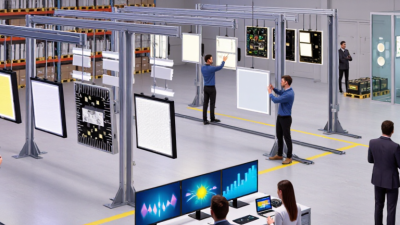
Before comparing fixtures, map how each space is used. A shop floor needs clear color recognition, while a stockroom needs safe, even illumination across shelves and walkways. Track operating hours, existing fixture locations, maintenance access, and areas with glare or shadows. Start with the work. A handheld light meter can help record current illumination, but readings should be checked against the tasks performed and relevant industry guidance.
Set practical goals alongside lighting requirements. These might include lower energy use, fewer lamp replacements, better visibility, or controls that respond to daylight and occupancy. The International Energy Agency estimates lighting accounts for about 15% of global electricity consumption and around 5% of greenhouse-gas emissions. That broad figure shows why lighting matters, but it does not predict one business’s savings.
The U.S. Department of Energy’s 2019 LED forecast projected potential annual U.S. electricity savings of 569 terawatt-hours by 2035, compared with its baseline. Treat this as a national projection, not a promise for your site. Compare proposed solutions using your own operating hours, utility bills, maintenance costs, and measured light levels. One detail is easy to miss: a brighter room is not automatically a more useful one. Glare, uneven light, or poor color rendering can undermine the result.
How to Choose LED Lighting Solutions for Your Business
Identify Your Business’s Lighting Needs and Operational Goals
Lighting needs vary by task. Detailed work, such as visual inspection, generally calls for higher illuminance than warehouse aisles or general retail areas. Use these approximate target levels as a starting point, then consider local standards, room conditions, energy use, and employee comfort when selecting LED lighting.
Assess Each Space for Brightness, Layout, and Lighting Conditions
A lighting plan should begin with a walk-through, not a fixture catalogue. Note each space’s task, ceiling height, daylight, and surface colors. A cashier needs clear light on hands and labels; a stockroom needs even coverage between tall shelves. Measure existing light at work surfaces, then repeat the check near windows and after dark. Glare matters, too. A bright window behind a monitor can make an otherwise well-lit desk uncomfortable.
Use measurements alongside credible benchmarks. The U.S. Energy Information Administration’s 2018 Commercial Buildings Energy Consumption Survey reports that lighting accounts for about 10% of commercial-building energy use. That makes wasted light worth addressing, but lower energy use should not mean dim work areas. The U.S. Department of Energy’s 2020 Lighting Market Characterization documents the broad shift toward LED lighting across U.S. buildings. Still, technology alone cannot fix poor placement. Compare measured light with task needs, and consider controls where daylight changes through the day. Check how shadows fall at counters and displays. Reassess after installation; the first layout may look fine on paper and feel wrong in use. That happens.
Compare LED Types, Color Temperatures, and Performance Ratings
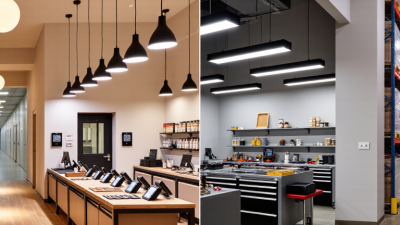
Choosing an LED type starts with the task and the fixture. A-panel or troffer lights suit many offices, while high-bay fixtures can serve tall warehouses. Linear LEDs work well over benches and counters. Check whether the fixture is compatible with existing dimmers and controls. A mismatch can cause flicker. It is easy to overlook.
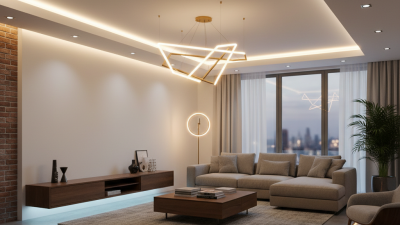
Color temperature changes how a space feels. Around 2700–3000 K gives a warmer appearance for reception areas and hospitality spaces. Neutral white, often 3500–4000 K, can fit offices and retail floors. Cooler light near 5000 K may help with detailed inspection, but it can feel harsh in a lounge. Test sample fixtures at different times of day. Nearby windows can shift the impression.
Compare performance ratings, not wattage alone. Lumens show light output; lumens per watt indicate efficacy. For color quality, review the Color Rendering Index, especially where products, materials, or skin tones need accurate appearance. A high CRI is useful, though it does not guarantee the light will look natural in every room. Check the rated lifetime and warranty terms, and ask how lifetime is measured. Glare matters too. A bright fixture aimed directly at a screen may still be a poor choice. Measure the work area before buying; estimating from floor area alone can miss dark corners and uneven coverage.
Evaluate Energy Costs, Controls, Safety, and Regulatory Requirements
LED lighting decisions should start with the work area, not the fixture price. Estimate annual energy use by multiplying wattage by operating hours and local electricity rates. Include maintenance and replacement costs; fewer lamp changes can matter in high-ceiling spaces or busy warehouses. A payback estimate may look precise but still miss demand charges or changing work schedules. Check the assumptions.
Controls affect both energy use and daily comfort. Occupancy sensors can suit storage rooms, while daylight dimming may help near windows. Divide large spaces into practical zones, then test sensor coverage with staff present. A sensor that switches lights off over a quiet desk is not a useful saving.
Safety and compliance need equal attention. Check lighting levels, glare, emergency-lighting needs, and product suitability for damp, hot, or dusty areas. Confirm applicable local energy and electrical requirements before purchase; rules vary by location and building type. Have a qualified professional review the plan where needed.
Tips: Compare total operating costs, not just purchase prices. Keep a simple test log for controls, and ask employees where shadows or glare affect their work.