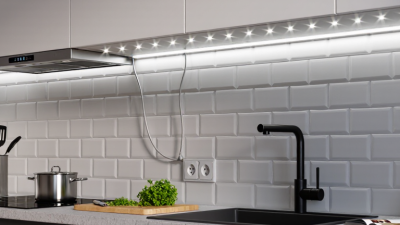
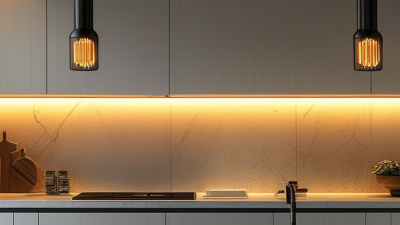
Top 10 Under Counter Lighting Options for 2026
Good under counter lighting changes how a kitchen works, not just how it looks. A warm strip beneath a cabinet can soften evening shadows, while a brighter task light helps reveal crumbs, knife edges, and spills on the worktop. The right choice depends on cabinet depth, outlet access, mounting space, and the kind of light you prefer. Small details matter.
This guide to the top 10 under counter lighting options for 2026 compares practical formats, including LED strips, puck lights, and hardwired fixtures. It considers brightness, color temperature, dimming, installation effort, and likely upkeep, rather than treating every product as a perfect fit. Check product specifications carefully: brightness ratings, included components, and compatibility can differ between models. Not every setup fits.
A useful fixture should provide even illumination without creating glare on polished stone or shining directly into your eyes. Measure the cabinet run before buying, and think about where cords or drivers will sit. In real kitchens, a small gap or poorly placed switch can become irritating after a few weeks. It is easy to overlook that. The options ahead are intended to help you compare trade-offs and choose lighting that suits your space, routine, and budget. Since products and specifications can change, confirm current details with the manufacturer or retailer before purchase.
What Under-Counter Lighting Is and Where It Works
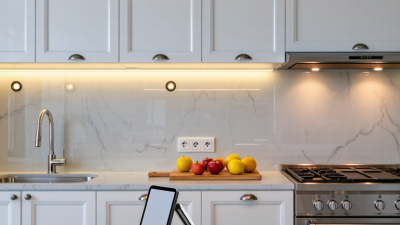
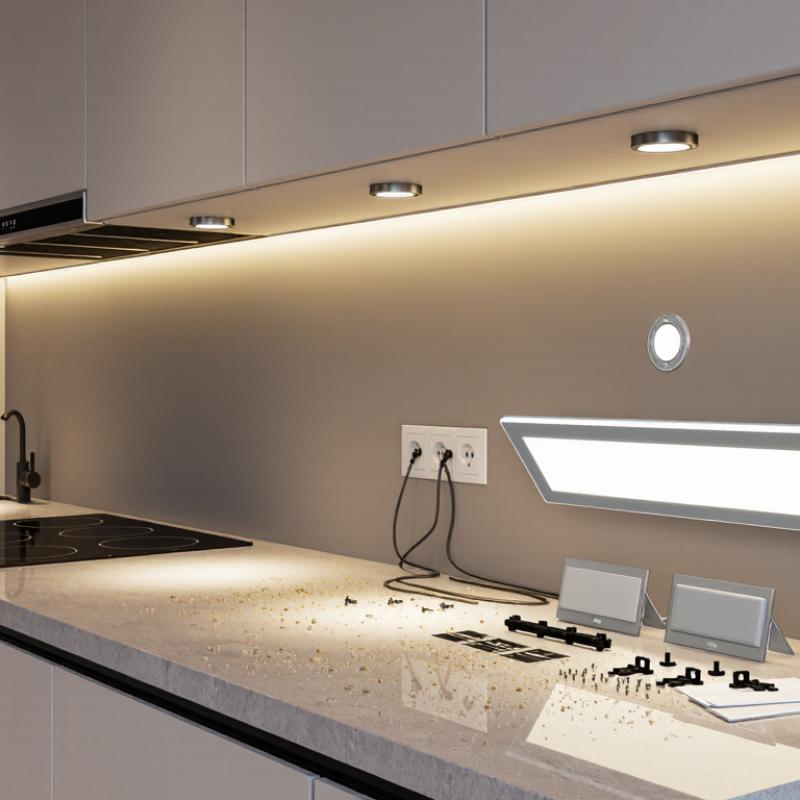
Under-counter lighting is a low-profile lighting system installed beneath cabinets, shelves, or counters. It directs light onto a work surface instead of wasting brightness across the ceiling. Common formats include linear bars, puck lights, recessed modules, and flexible strips. For 2026 kitchens, the best options should offer even coverage, low glare, and simple control.
The U.S. Department of Energy reports that LED lighting can use up to 75% less energy than incandescent lighting and last up to 25 times longer. That efficiency matters in lights used every evening.
It works well above kitchen worktops, bathroom vanities, laundry counters, home offices, workshops, and retail shelving. In a kitchen, place fixtures near the cabinet front to reduce shadows from your body.
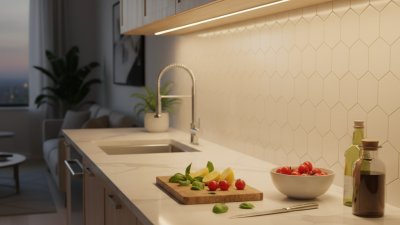
A 2700K to 3000K color temperature creates a comfortable residential feel, while a high color-rendering rating helps food, wood, and skin tones look more natural.
The International Energy Agency estimates that lighting consumes about 15% of global electricity, so small upgrades still deserve attention.
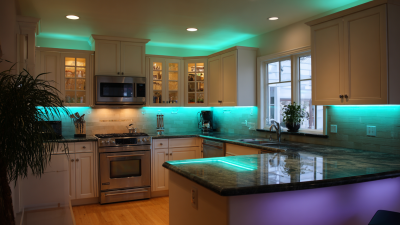
My first assumption was simple: brighter must be better. It is not. Excess brightness can cause reflected glare on polished stone, glass, or glossy tiles. Poorly spaced fixtures can also create bright spots and dark gaps.
Test one section at night before installing the full run. That small step may prevent an expensive revision.
How to Match Fixtures to Cabinets and Daily Tasks
Top 10 Under Counter Lighting Options for 2026
Matching under-counter lighting to cabinets starts with the task, not the fixture. Food preparation needs even, shadow-free light. The Illuminating Engineering Society commonly recommends about 300–500 lux for detailed kitchen work. Choose linear bars for wide cabinets, puck lights for small sections, and recessed channels for minimalist doors. Place fixtures near the cabinet’s front edge, not against the wall. This keeps your hands from casting shadows across the worktop.
Cabinet color also changes the result. Dark stone and walnut absorb light, so they may need higher output or closer spacing. White cabinets reflect more light and can expose glare. A diffuser helps. For daily cooking, select a color rendering index of 90 or higher, especially near vegetables, meat, and painted surfaces. Warm white light around 2700–3000K suits evening use. A neutral 3500–4000K setting may feel clearer during food preparation. The U.S. Department of Energy reports that LED lighting uses at least 75% less energy and lasts up to 25 times longer than incandescent lighting. Still, efficiency does not fix poor placement.
Tips: Use dimming, separate task and ambient circuits, and test one fixture at night. I have seen “bright” installations feel uncomfortable because the light reflects from polished stone. That mistake is easy to make. ENERGY STAR also stresses proper controls and certified efficiency, but cabinet depth and personal vision vary. Measure twice, then adjust.
Installation, Power, and Safety Factors to Check
Under-counter lighting works best when its installation matches the cabinet, work surface, and daily routine. Measure each cabinet run, then check for trim, hinges, and gaps that could interrupt the light. A narrow strip can disappear beneath a cabinet lip, while a deeper fixture may need careful placement to avoid glare on polished counters. Test the proposed position with temporary tape and a small task light. It takes minutes. The result can reveal shadows near the backsplash that a drawing misses.
Power planning deserves equal attention. Confirm the fixture’s voltage and power supply requirements, and make sure the outlet or wiring is accessible for service. For plug-in options, route cords away from hot appliances, sinks, and moving drawers. Hardwired installations should be handled by a qualified electrician, especially where existing wiring is uncertain. Check the product’s rating for the intended location, and follow its installation instructions rather than guessing about moisture exposure. A dimmer can improve comfort, but only when it is compatible with the lighting system.
Before mounting, switch off the relevant circuit when working near fixed wiring, and verify that power is off with an appropriate tester. Keep connections enclosed and secure; loose wires are not a harmless shortcut. Use fasteners suited to the cabinet material, and avoid drilling where plumbing or wiring may run. I have found that measuring twice still does not prevent every awkward fit. Leave room to adjust. After installation, check for hot spots, flicker, and reachable controls while standing at the counter.