China Best LED Supply Manufacturers for Global Buyers?
Choosing the right LED supply manufacturer is not simply a price comparison. Global buyers must examine quality control, production capacity, certifications, delivery records, and technical support. A bright sample can hide weak solder joints, unstable drivers, or inconsistent color temperatures. Real performance appears months later.
Dr. Roland Haitz, a pioneer of solid-state lighting, described the industry’s progress through Haitz’s Law: “Every decade, the cost per lumen falls by a factor of ten, while the amount of light generated increases by a factor of twenty.” His observation still influences how buyers evaluate LED innovation and manufacturing efficiency. Yet rapid progress creates uncertainty. Not every new factory has reliable engineering depth.
The strongest manufacturers usually provide detailed LM-80 data, thermal testing records, ingress protection evidence, and traceable component information. Buyers should also inspect sample batches under working conditions, not only polished showrooms. Ask how the supplier handles binning, driver failures, warranty claims, and urgent replacements. Small details matter.
Factory experience matters.
A dependable LED supply partner communicates clearly when specifications change. It should explain limitations instead of promising everything. That standard is easy to overlook, especially when quotations appear unusually low. This guide compares leading China-based LED manufacturers through a practical lens, including product consistency, customization, compliance readiness, logistics, and after-sales support. No ranking is perfect. Market conditions change, and even established suppliers can deliver uneven results without careful verification.
What Defines a Leading LED Supply Manufacturer in China?
A leading LED supply manufacturer in China is defined by more than low pricing or a large catalog.
It should show stable production records, clear testing procedures, and practical engineering experience.
Buyers need evidence, not polished promises.
A reliable factory checks LED bins, color consistency, electrical safety, and thermal performance before shipment.
It should provide test reports, sample records, and traceable production data.
Strong manufacturers also understand international requirements, including photometric testing, EMC controls, and suitable ingress protection.
Their engineers can explain why a heat sink fails, not merely replace it.
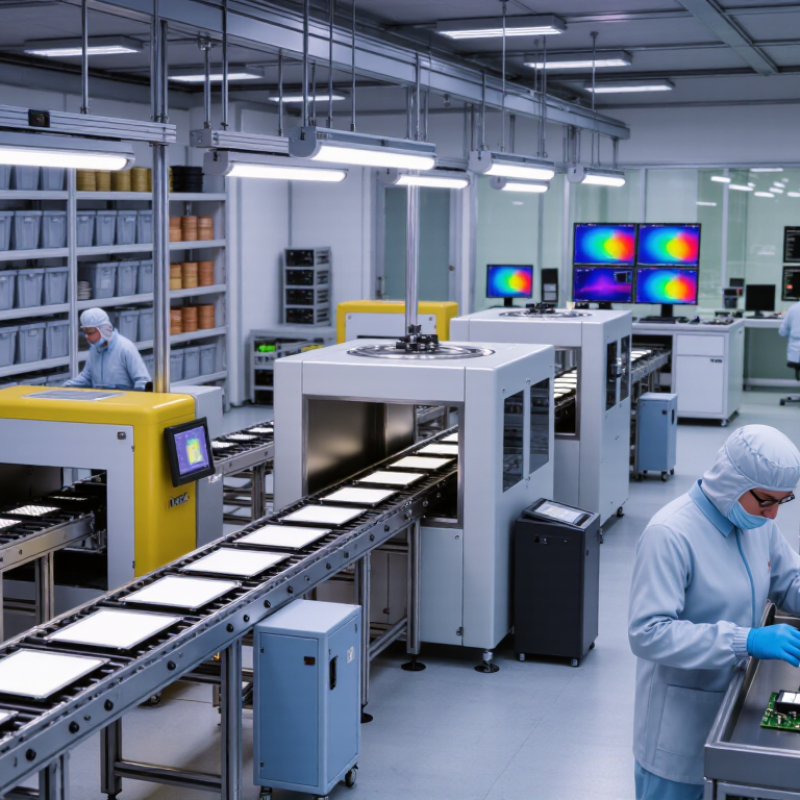
Factory audits should examine soldering lines, aging rooms, calibration labels, and warehouse conditions.
Small details matter.
Communication is another defining measure.
A professional team confirms voltage, beam angle, housing material, packaging, and delivery terms in writing.
It reports delays early. That builds trust.
No factory is flawless. Even an experienced supplier may face material changes, inconsistent components, or rushed inspections.
The difference appears in its response.
Does it investigate the cause, share corrective evidence, and prevent repetition?
Buyers should test samples under real operating conditions, not only review photographs.
Run products for extended hours. Check heat, flicker, color shift, and installation fit.
A supplier that welcomes reasonable testing usually respects long-term performance.
Still, some claims may remain unclear. Ask better questions, keep records, and treat confidence as something earned shipment by shipment.
Key Product Categories Offered by Chinese LED Suppliers
Chinese LED suppliers now serve several distinct product categories, each suited to different installation conditions and buyer priorities. General lighting includes LED bulbs, tubes, panels, downlights, and linear fixtures for homes, offices, shops, and factories. Outdoor ranges cover floodlights, streetlights, high-bay fixtures, and solar-integrated units. Industrial buyers should check thermal design, ingress protection, driver quality, and tested lifetime claims.
Decorative products form another major category. LED strips, cabinet lights, neon-style tubing, and flexible modules support retail displays, hotels, signage, and architectural projects. Display products include indoor and outdoor LED screens, rental panels, and fine-pitch modules. Grand View Research reports that the global LED lighting market continues expanding, driven by energy efficiency, smart controls, and public infrastructure upgrades. However, category names can hide large technical differences.
Drivers, sensors, emergency units, and lighting controls often determine real project performance. The International Energy Agency states that LED lamps use substantially less electricity than traditional incandescent lamps, but savings depend on operating hours and system design. Buyers should request LM-80 data, photometric files, surge ratings, and independent safety test reports. I have seen attractive samples fail during heat testing. A low price is not proof of value. Supplier audits also need production records, aging tests, spare-part plans, and clear warranty terms. Sometimes, the specification is incomplete. That deserves a second review.
How to Evaluate Quality, Certifications, and Production Capacity
China Best LED Supply Manufacturers for Global Buyers?
How to Evaluate Quality, Certifications, and Production Capacity
Choosing an LED supplier requires more than comparing prices. Request product samples, test reports, and clear technical specifications. Check light output, color consistency, heat control, and driver performance. A reliable factory should explain its testing process, not only display finished products. Ask for inspection records from incoming materials to final packaging.
Certifications need careful review. Verify whether documents match the exact model, factory, and target market. Common references include CE, RoHS, IEC standards, and ISO 9001. These documents support compliance, but they do not guarantee excellent performance. An outdated report can create costly problems. I have learned that paperwork often looks stronger than actual production control.
Tips: Request a sample batch, not one sample. Visit the facility or arrange an independent audit. Review aging-test photos, production-line capacity, equipment lists, and recent delivery records. Confirm monthly output during peak seasons. A factory may claim high capacity but outsource key processes. That matters. Ask who controls assembly, testing, and component traceability. Leave room for doubt. Even a professional assessment can miss hidden weaknesses. Recheck critical details before signing a long-term agreement.
What Global Buyers Should Know About Pricing, Logistics, and Support
China Best LED Supply Manufacturers for Global Buyers?
What Global Buyers Should Know About Pricing, Logistics, and Support
Price is only one part of an LED sourcing decision. A professional quotation should separate product cost, packaging, testing, tooling, and transport. Ask whether the price is based on EXW, FOB, or another delivery term. Otherwise, two apparently similar quotes may hide very different costs. Request a sample before placing a large order. Check brightness, color consistency, heat control, connectors, and power consumption.
Logistics requires practical detail. Confirm production capacity during peak seasons, not only normal lead times. Ask for carton dimensions, gross weight, pallet plans, and loading photographs. These details affect freight charges and warehouse handling. A reliable supplier should explain inspection procedures and provide clear shipping documents. Small errors in labeling can delay arrival. That happens.
Support matters after payment. Clarify who handles technical questions, replacement parts, warranty claims, and installation guidance. Keep written records for specifications and approved samples. Some suppliers respond quickly before an order, then become vague afterward. This is a warning sign. However, even strong suppliers can make mistakes, especially when specifications change late. Buyers should review drawings, test reports, and packing details before production. That extra review may feel slow, but it can prevent expensive rework and missed project deadlines.
China LED Supply Planning Benchmarks for Global Buyers
Typical calendar days for production and sea freight from China to major buying regions
Production lead times commonly range from 15–30 days after specification approval, while sea freight varies by destination, port congestion, season, and service level. Buyers should compare total landed cost—not only unit price—and confirm documentation, inspection procedures, spare-parts availability, warranty terms, and after-sales response before placing an order.
These are practical planning benchmarks rather than supplier quotations. Actual timing depends on product complexity, order volume, shipping route, customs clearance, and project requirements.