What Is the Best LED Tape Light Type in 2026?

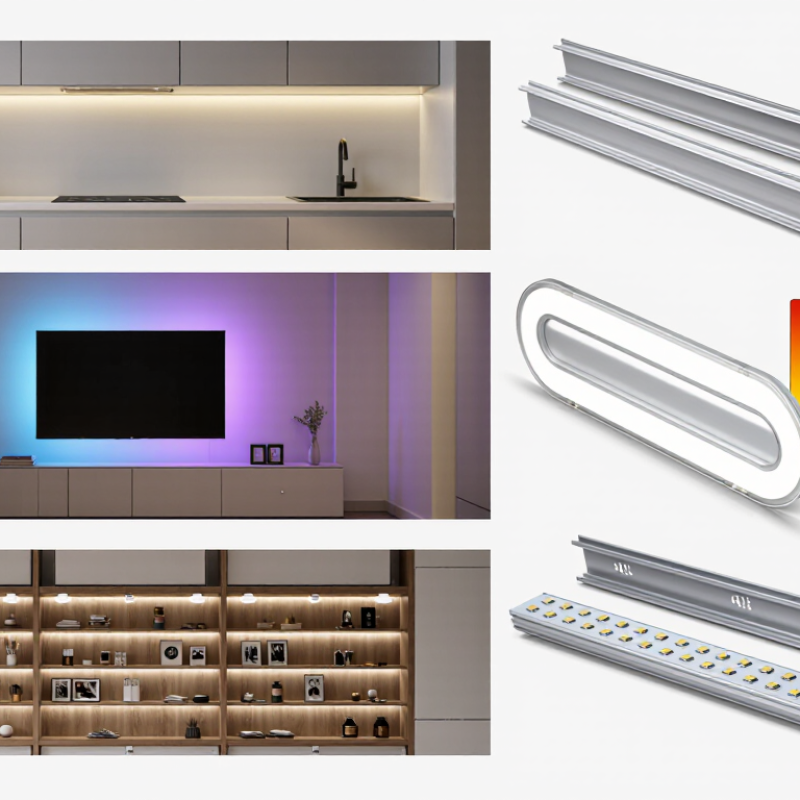
The best LED tape light in 2026 depends on where it will be installed, how bright it needs to be, and what kind of finish you expect. A strip under kitchen cabinets has different demands from one tucked behind a television or fitted into a display shelf. COB tape can create a smooth, dot-free line of light, while SMD options offer a broad range of brightness, colors, and prices. Neither type wins in every room. It depends.

A useful comparison starts with measurable details: lumens per meter, color temperature, color rendering index, voltage, and dimming compatibility. For a warm kitchen task area, a high-CRI strip around 3000K may keep food colors looking natural; a long run may need a suitable power supply to limit brightness drop near the far end. Check the manufacturer’s specifications, and test a short sample against the actual countertop or wall color before buying a full roll. Small differences show up.

Installation details matter just as much. Measure the route, account for corners and connectors, and choose an appropriate IP rating for damp locations. Aluminum channels can help protect the strip and give its light a cleaner edge, though they add cost and fitting time. I would not treat a higher price or a dramatic brightness claim as proof of better quality. Compare the data sheet, warranty, and practical fit. The right choice is the one that performs reliably in your space, even if the specification sheet looks less impressive.
What Is the Best LED Tape Light Type in 2026?

LED Tape Light Types and Their Core Differences

What Is the Best LED Tape Light Type in 2026?

LED Tape Light Types and Their Core Differences

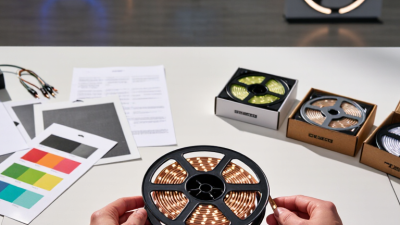
LED tape lights differ by color, chip layout, brightness, and protection. Single-color tape provides steady white or colored light for shelves and task areas. Tunable-white tape shifts from warm to cool white, which helps a kitchen feel softer at night. RGB tape creates changing colors, while RGBW adds a separate white channel for more useful everyday lighting. That matters.

Chip style changes the look. SMD tape shows distinct points, especially on glossy surfaces or through shallow diffusers. COB tape has closely spaced emitters and usually appears more continuous. Compare brightness per meter and power requirements, not just the number of LEDs. A dense strip can look smoother, but it may need more power and careful heat management. The trade-off is easy to miss.

Tips: Match the tape to its driver and controller before installation. Check voltage, cut marks, and the required wattage per meter. For bathrooms or outdoor edges, confirm the stated IP rating and seal connections correctly; the rating alone does not protect every joint. Test a short section in its final position first. Light can look different against real paint or wood. A small mismatch is still possible.
What Is the Best LED Tape Light Type in 2026?

LED Tape Light Types and Their Core Differences

How to read this chart: It compares the typical number of independently controlled LED channels: single-color uses one, tunable white uses separate warm- and cool-white channels, RGB uses red, green, and blue, and RGBW adds a dedicated white channel. More channels offer more color or white-light control, but do not necessarily mean better brightness, efficiency, or color quality. The best type depends on the desired lighting effect.

Key Performance Factors for Comparing LED Tape Lights

What Is the Best LED Tape Light Type in 2026?

Key Performance Factors for Comparing LED Tape Lights

Choosing an LED tape light starts with the job it needs to do. Compare brightness in lumens per meter, not just total wattage. Under a kitchen cabinet, a steady, even glow matters more than a high peak output. For accent lighting, lower brightness may look better and reduce glare. Details matter.

Color quality changes how a room feels. Choose a color temperature that suits the space, then check the CRI rating if accurate colors matter. A CRI of 90 or higher can help food, fabrics, and paint appear more natural. Still, numbers do not tell the whole story. View a sample beside your actual countertop or wall; nearby materials can shift the perceived color.

Check voltage, dimmer compatibility, and the manufacturer’s recommended maximum run length. Long runs can show brightness loss near the far end, especially when power enters from only one side. Measure cut points carefully. Also match the tape’s IP rating to its location: a dry bedroom and a splash-prone sink area need different protection. A common oversight is heat. Install the tape on a suitable surface, such as an aluminum channel, when the instructions recommend it. A brighter strip is not always the better choice.

Choosing the Right LED Tape Light for Each Application

What Is the Best LED Tape Light Type in 2026?
Choosing the Right LED Tape Light for Each Application

The best tape light depends on where it will sit and what it must reveal. For kitchen counters, choose a high-CRI strip, ideally 90 or above, to keep food colors natural. A warm-white range around 3000K often feels comfortable under cabinets. Check lumens per meter, too; a bright strip can still look patchy without a diffuser. DOE’s Energy Saver guidance says LEDs use at least 75% less energy than incandescent lamps and can last up to 25 times longer. Those figures support LED efficiency, but they do not identify the right strip for every task.

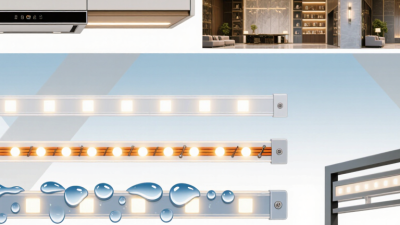
For coves and shelves, closely spaced LEDs help create a smoother line of light. In damp areas, match the strip’s protection rating to actual exposure; IEC 60529 defines the IP code system, including protection against water. Outdoor installations need suitable sealing at connectors and cut points, not just a high-rated strip. Small detail. A tidy specification sheet can still mislead: long runs may dim near the far end because of voltage drop. Check the manufacturer’s run-length guidance, then test a short sample in the intended channel. I would not skip that step; wall paint and glossy counters can change the color you see.

How Voltage, Color, Brightness, and Controls Affect Selection

What Is the Best LED Tape Light Type in 2026?

How Voltage, Color, Brightness, and Controls Affect Selection

The best tape light depends on the run, the room, and the power supply. For short cabinet runs, 12-volt tape can be practical. Longer runs often benefit from 24 volts, which can reduce voltage drop when installed within the manufacturer’s limits. Measure the run. Compare lumens per meter, not watts alone; watts show energy use, while lumens indicate light output. The U.S. Department of Energy reports that LEDs use at least 75% less energy than incandescent lighting, but efficiency alone does not guarantee comfortable light.

Choose color temperature for the task. Warm white can soften a dining nook; neutral white can make a worktop feel clearer. Check color rendering too, especially where food, fabric, or skin tones matter. Confirm that the dimmer and controller match the tape’s voltage and dimming method. Lawrence Berkeley National Laboratory’s 2012 review reported average lighting-energy savings of 24% with occupancy controls and 28% with daylight controls. Those results came from commercial buildings, so home savings may differ.

Tips: Sketch the layout and mark power-feed points before buying. Check twice. Test a short sample beside the actual countertop or wall; colors can look different after installation. I still find brightness estimates tricky from product labels alone, so leave room to adjust with a compatible dimmer.

Installation and Safety Considerations for LED Tape Lights

What Is the Best LED Tape Light Type in 2026?

Installation and Safety Considerations for LED Tape Lights

A good LED tape light is only as reliable as its installation. Before buying, measure each run and check the tape’s voltage, wattage per meter, and recommended power supply. The supply should support the total load, with some capacity left over. Long runs may dim near the far end, so consider feeding power at multiple points when the manufacturer permits it. Small details matter.

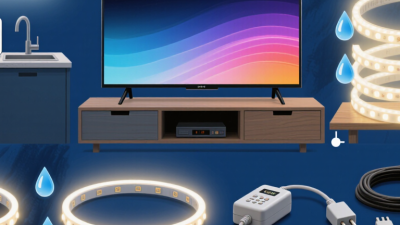
Prepare the surface carefully. Dust, grease, and rough paint can weaken the adhesive, especially beneath cabinets or along warm ceilings. Test-fit the tape before peeling its backing, and cut only at marked points. For kitchens, bathrooms, or outdoor locations, check the product’s moisture rating and protect every connection as specified. A water-resistant strip does not make an exposed connector waterproof. Not always.

LEDs produce less heat than many older lights, but they still need room to release heat. An aluminum channel can help manage warmth and protect the tape from bumps; avoid pressing it against insulation or covering it with materials not approved for the product. Turn off power before making low-voltage connections, and keep the power supply accessible for inspection. If installation involves household wiring, or you are unsure about the circuit, ask a qualified electrician. I have seen neat-looking installations fail because one connector was loose; checking each joint is worth the extra minute.

What Is the Best LED Tape Light Type in 2026? — Installation and Safety Considerations for LED Tape Lights

Tape light type Typical characteristics Best suited for Installation considerations Safety considerations
COB (continuous-light) tape Many closely spaced LED chips create a more continuous-looking line of light. Available in different color temperatures, voltages, and output levels. Visible runs, shelves, joinery, and applications where a dotted appearance is undesirable. Check the tape’s marked cut points and minimum bend radius. Use an extrusion or diffuser when the product instructions recommend it or when added protection and heat management are needed. Do not assume the continuous appearance means the tape can be covered or enclosed without ventilation. Follow its rated operating conditions.
SMD white-light tape Uses surface-mounted LED packages; commonly sold in single-color versions such as warm white, neutral white, and cool white. Output and efficiency vary by design. General accent, task, and indirect lighting when a fixed white color is acceptable. Choose color temperature and brightness for the task. Confirm the required power supply, polarity, dimmer compatibility, and maximum run length in the product specifications. Use a power supply with the correct output voltage and sufficient capacity. Disconnect power before cutting, wiring, or making connections.
RGB color-changing tape Combines red, green, and blue emitters for selectable colors. White produced by mixing RGB may differ from dedicated white LEDs in color quality and appearance. Decorative effects, accent lighting, and applications that need changing colors. Requires a compatible controller and power supply. Match the tape’s channel layout and connection type, and check whether the controller supports the intended run length. Keep connections protected from moisture unless the complete assembly is rated for the location. Do not treat a water-resistant tape as waterproof at cut ends or connectors.
RGBW or tunable-white tape RGBW adds a separate white channel; tunable-white tape typically blends warm and cool white channels. Wiring and control requirements vary by product. Rooms or displays needing both adjustable white light and color effects, or adjustable white color temperature. Use a controller designed for the exact number and arrangement of channels. Confirm connector pin count, voltage, and current ratings before installation. More channels mean more wiring and possible connection errors. Verify wiring against the manufacturer’s diagram before energizing the system.
12 V DC tape A common low-voltage format. For the same power and conductor size, voltage drop can become more noticeable over long runs than with a higher-voltage equivalent. Short runs, compact installations, and projects where the chosen tape and supply are specified for 12 V DC. Follow the product’s cut intervals and maximum continuous-run guidance. For longer layouts, plan feed points and wire size to limit voltage drop. Low voltage does not eliminate fire or overheating risks. Use correctly rated wiring, connections, and a suitable DC power supply.
24 V DC tape A common low-voltage format that generally has less voltage drop than comparable 12 V tape at the same power and conductor size, though limits still depend on the product and installation. Many medium-length residential and commercial runs when 24 V tape is compatible with the control system. Use a 24 V DC supply and compatible controller. Check the manufacturer’s maximum-run guidance, feed-point recommendations, and wire-size requirements. Never connect tape to mains voltage unless the product is specifically designed and certified for that connection. Keep the power supply accessible and ventilated as instructed.
Outdoor-rated tape Protection ratings and construction differ. An IP rating applies only to the conditions and assembly covered by the product’s rating; it does not by itself establish suitability for every outdoor location. Locations exposed to dust or moisture when the tape, connections, power supply, and installation method are all suitable for the environment. Seal cut ends and connections using the specified accessories and method. Provide suitable mounting, drainage, and protection from physical damage where required. Check the rating for the complete installation, not just the tape. Follow local electrical rules; use a qualified electrician for mains wiring or installations requiring one.

Selection note: There is no single best tape for every project. Compare the actual product datasheet for voltage, power per metre, light output, color quality, cut intervals, maximum run length, operating temperature, and environmental rating. Allow for power-supply capacity and follow the manufacturer’s installation instructions.

Filter By